Butyl 4-Hydroxybenzoate (BHA), with the CAS number 94-26-8, is a widely used chemical compound in laboratory settings. It serves as an essential building block in organic synthesis, particularly in reactions where oxidation protection is required. As an ester of 4-hydroxybenzoic acid and butanol, BHA is valued for its stability and reactivity in controlled chemical environments. This compound is commonly found in various chemical applications, supporting both analytical and synthetic processes in research laboratories. Its versatility makes it a fundamental component in the chemical toolkit of many scientists.
BHA is preferred due to its strong antioxidant properties and stable molecular structure. It remains chemically inert under normal conditions, which ensures it does not interfere with other reactions in the laboratory. Its solid, colorless form and mild aroma make it easy to handle and store. The compound’s availability in various packaging options allows for flexible use in both small and medium-scale experiments. These characteristics contribute to its popularity among researchers working in diverse chemical fields.
In Indonesian laboratories, BHA is frequently utilized in organic chemistry research, especially in the synthesis of compounds that require oxidation protection. It is also employed in studies related to the reactivity of aromatic compounds. Its reliability and consistent performance make it a trusted choice for both academic and industrial research settings in Indonesia.
Related TCI products
- Organic synthesis reactions requiring oxidation protection benefit from BHA's antioxidant properties, ensuring the stability of intermediate compounds.
- Analytical chemistry experiments often use BHA as a reference standard due to its purity and consistent chemical behavior.
- Cosmetic and food formulation research may incorporate BHA as a preservative, though its primary role in laboratories is reactivity rather than end-use application.
- Polymer chemistry studies may use BHA as a stabilizer to prevent oxidative degradation of polymer materials.
- Environmental chemistry research can utilize BHA to study the behavior of aromatic esters in different chemical environments.
| Brand | TCI |
|---|---|
| CAS number | 94-26-8 |
| Molecular formula | — |
| Purity | — |
| Category | Chemistry > Building Blocks > Non-Heterocyclic Building Blocks |
| Pack sizes | Available in various sizes to suit different experimental needs |
| Physical form | Solid, colorless |
| Storage | Store in a cool, dry place away from direct sunlight |
Butyl 4-Hydroxybenzoate should be stored in a cool, dry place, away from direct sunlight and sources of heat. It is recommended to keep the compound in a sealed container to prevent moisture absorption and contamination. Due to its stable nature, it does not require special handling under normal laboratory conditions. However, it is advisable to use appropriate personal protective equipment when handling large quantities. The compound is non-reactive and does not pose significant hazards in standard laboratory environments, making it easy to manage and store safely.
—
Produk Terkait
-
Methyl4-Amino-3-hydroxybenzoate TCI A3639
Regular price From Rp 2.041.200,00Regular price -
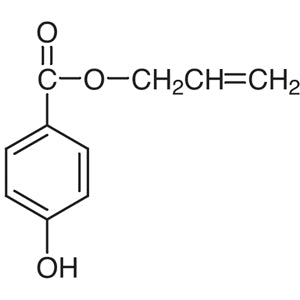
Allyl4-Hydroxybenzoate TCI A1846
Regular price Rp 3.843.000,00Regular price -
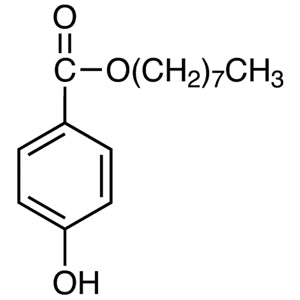
n-Octyl4-Hydroxybenzoate TCI O0443
Regular price Rp 1.724.100,00Regular price -
Methyl3-Chloro-4-hydroxybenzoate TCI M3513
Regular price From Rp 1.458.450,00Regular price -
Methyl3-Amino-4-hydroxybenzoate TCI M3498
Regular price From Rp 1.378.650,00Regular price -
Methyl2-Amino-5-hydroxybenzoate TCI M2796
Regular price From Rp 717.150,00Regular price -
Methyl4-Bromo-3-hydroxybenzoate TCI M2246
Regular price From Rp 1.670.550,00Regular price -
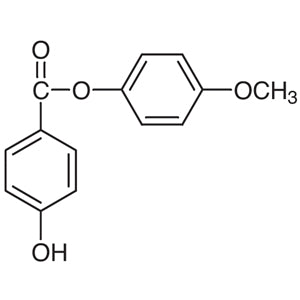
4-Methoxyphenyl4-Hydroxybenzoate TCI H0825
Regular price From Rp 4.531.800,00Regular price