Methyl 4-Bromo-3-hydroxybenzoate is a chemical compound widely used in laboratory settings for the synthesis of complex organic molecules. This compound serves as a building block in various chemical reactions, particularly in the field of organic chemistry. Its unique molecular structure, featuring a bromo group and a hydroxyl group on the benzene ring, makes it highly reactive under different chemical conditions. Due to its reactivity and structural versatility, it is a valuable resource for researchers aiming to create new compounds with specific biological or chemical properties.
The compound's chemical properties make it a preferred choice for laboratory applications. Its ability to undergo substitution or electrophilic reactions allows it to be easily modified into a wide range of derivatives. This flexibility is crucial for the development of pharmaceuticals and other specialized chemicals. Additionally, its stability under controlled conditions ensures that it remains a reliable reagent for consistent results in chemical synthesis. These characteristics make it a popular choice among chemists working in both academic and industrial research environments.
In Indonesian laboratories, Methyl 4-Bromo-3-hydroxybenzoate is commonly used in chemical, pharmaceutical, and biochemical research. Local researchers frequently employ this compound to develop new substances with potential applications in medicine or industry. Its role in the synthesis of bioactive compounds makes it an essential tool for advancing scientific knowledge and innovation in the region.
Related TCI products
- Organic synthesis of complex molecules due to its reactive bromo and hydroxyl groups, enabling diverse chemical modifications.
- Development of pharmaceutical compounds as a versatile building block for drug discovery and formulation.
- Biochemical research for the creation of bioactive substances with potential therapeutic applications.
- Academic research in chemistry and pharmacology for the exploration of new chemical structures and properties.
- Industrial applications in the production of specialty chemicals requiring precise molecular manipulation.
| Brand | TCI |
|---|---|
| CAS number | 106291-80-9 |
| Molecular formula | — |
| Purity | — |
| Category | Chemistry > Building Blocks > Non-Heterocyclic Building Blocks |
| Pack sizes | Available in standard laboratory quantities as per supplier specifications |
| Physical form | Solid, crystalline appearance |
| Storage | Store in a cool, dry place away from direct sunlight and moisture |
Methyl 4-Bromo-3-hydroxybenzoate should be stored in a cool, dry environment to maintain its chemical stability. It is recommended to keep the compound in a tightly sealed container to prevent exposure to moisture and air. Suitable storage containers include glass or high-density polyethylene vessels that are resistant to chemical reactions. Laboratory personnel should handle the compound with care, using appropriate personal protective equipment such as gloves and safety goggles. It is important to avoid contact with strong acids or bases, as these can cause unwanted chemical reactions. Proper labeling and storage conditions ensure the compound remains safe and effective for use in research applications.
—
Produk Terkait
-
Methyl5-Bromo-2-hydroxybenzoate TCI B6380
Regular price From Rp 2.016.000,00Regular price -
Methyl4-Amino-3-hydroxybenzoate TCI A3639
Regular price From Rp 2.041.200,00Regular price -
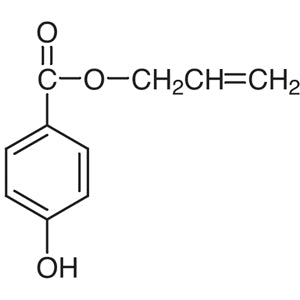
Allyl4-Hydroxybenzoate TCI A1846
Regular price Rp 3.843.000,00Regular price -
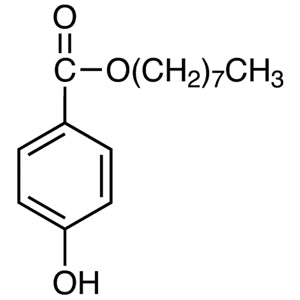
n-Octyl4-Hydroxybenzoate TCI O0443
Regular price Rp 1.724.100,00Regular price -
Methyl3-Chloro-4-hydroxybenzoate TCI M3513
Regular price From Rp 1.458.450,00Regular price -
Methyl3-Amino-4-hydroxybenzoate TCI M3498
Regular price From Rp 1.378.650,00Regular price -
Methyl2-Amino-5-hydroxybenzoate TCI M2796
Regular price From Rp 717.150,00Regular price -
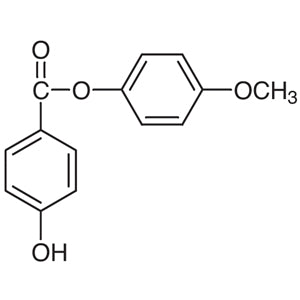
4-Methoxyphenyl4-Hydroxybenzoate TCI H0825
Regular price From Rp 4.531.800,00Regular price