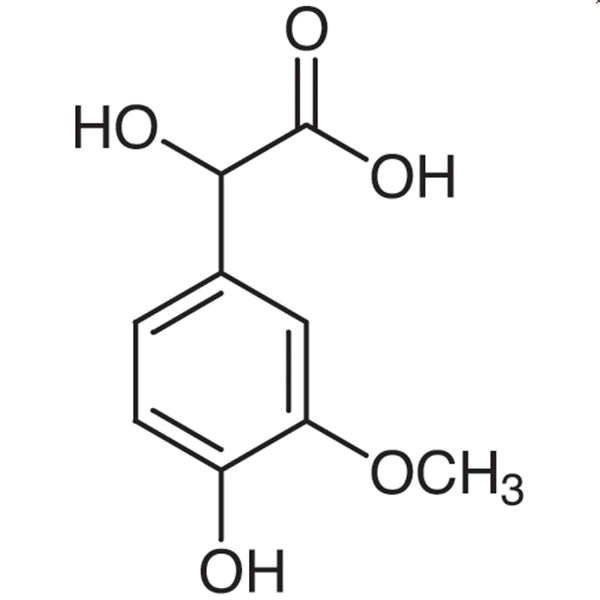
DL-4-Hydroxy-3-methoxymandelic Acid is a versatile chemical compound widely used in laboratory settings for its role in organic synthesis and chemical reactions. As a building block in chemistry, it serves as a foundational material for creating more complex molecules. Its presence in various chemical processes makes it an essential component for researchers working in synthetic chemistry and pharmaceutical development. This compound is commonly utilized in academic and industrial laboratories for its reactivity and structural adaptability.
DL-4-Hydroxy-3-methoxymandelic Acid is preferred due to its chemical stability and reactivity under specific conditions. The presence of both hydroxyl and methoxy groups enhances its ability to participate in a wide range of chemical reactions, including substitution, esterification, and catalytic processes. Its molecular structure, which includes a carbonyl group and hydroxyl group, makes it suitable for high-activity reactions. These properties make it a valuable tool for chemists aiming to develop new compounds and materials.
In Indonesian laboratories, DL-4-Hydroxy-3-methoxymandelic Acid is frequently used in scientific research, particularly in the fields of organic chemistry and pharmacology. It supports studies related to drug development, material science, and chemical synthesis. Its widespread application in both academic and industrial research settings highlights its importance in the chemical research landscape of Indonesia.
Related TCI products
- TCI M2278 10502-44-0 DL-4-Methoxymandelic Acid
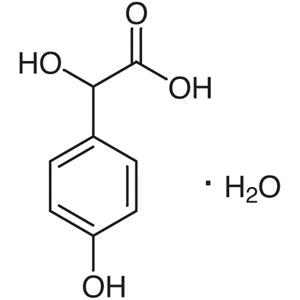
- TCI H0660 184901-84-6 DL-4-Hydroxymandelic Acid Monohydrate
- TCI D0582 775-01-9 DL-3,4-Dihydroxymandelic Acid
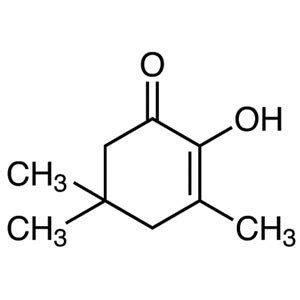
- TCI T2723 4883-60-7 2-Hydroxy-3,5,5-trimethyl-2-cyclohexen-1-one
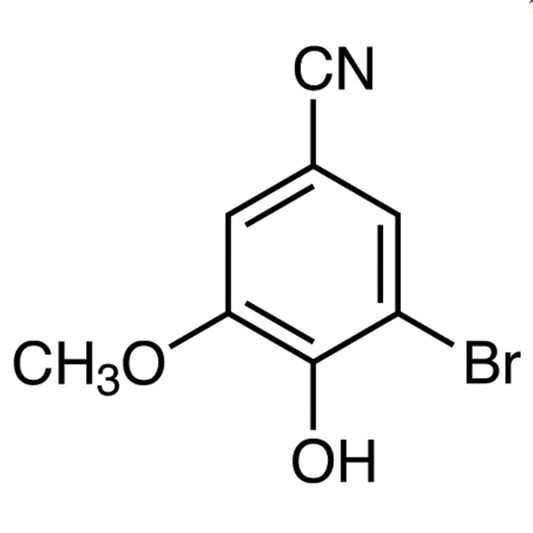
- TCI B4757 52805-45-5 3-Bromo-4-hydroxy-5-methoxybenzonitrile
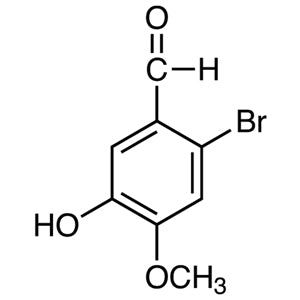
- TCI B4681 2973-59-3 2-Bromo-5-hydroxy-4-methoxybenzaldehyde
- Organic synthesis applications benefit from this compound's reactivity and structural versatility, making it ideal for creating complex organic molecules.
- Pharmaceutical research utilizes this compound due to its potential role in drug development and the synthesis of bioactive compounds.
- Chemical reaction studies rely on its ability to participate in substitution and esterification reactions, supporting a broad range of experimental protocols.
- Material science research employs this compound for the development of new polymers and functional materials with specific chemical properties.
- Analytical chemistry applications use this compound as a reference standard for identifying and quantifying similar chemical structures in samples.
| Brand | TCI |
|---|---|
| CAS number | 55-10-7 |
| Molecular formula | — |
| Purity | — |
| Category | Chemistry > Building Blocks > Non-Heterocyclic Building Blocks |
| Pack sizes | Available in various quantities to suit different laboratory needs |
| Physical form | Solid |
| Storage | Store in a cool, dry place away from moisture and direct sunlight |
DL-4-Hydroxy-3-methoxymandelic Acid should be stored in a cool, dry environment to maintain its chemical stability. It is recommended to keep the compound in a sealed container to prevent exposure to moisture and air. Due to its reactivity, it should be handled with care, using appropriate personal protective equipment such as gloves and safety goggles. Avoid storing it near incompatible substances to prevent unwanted chemical interactions. In laboratory settings, it is important to follow standard chemical handling procedures to ensure safety and maintain the integrity of the compound. Regular monitoring of storage conditions is advised to ensure optimal preservation of the material.
—
Produk Terkait
-
DL-4-MethoxymandelicAcid TCI M2278
Regular price From Rp 2.041.200,00Regular price -
DL-4-HydroxymandelicAcidMonohydrate TCI H0660
Regular price Rp 4.479.300,00Regular price -
DL-3,4-DihydroxymandelicAcid TCI D0582
Regular price Rp 3.392.550,00Regular price -
2-Hydroxy-3,5,5-trimethyl-2-cyclohexen-1-one TCI T2723
Regular price Rp 1.273.650,00Regular price -
3-Bromo-4-hydroxy-5-methoxybenzonitrile TCI B4757
Regular price From Rp 689.850,00Regular price -
2-Bromo-5-hydroxy-4-methoxybenzaldehyde TCI B4681
Regular price Rp 4.293.450,00Regular price -
1,3-Bis(3-hydroxy-3-pentyl)benzene TCI B3436
Regular price From Rp 3.763.200,00Regular price -
4-Bromo-3-hydroxy-2-naphthoicAcid TCI B3229
Regular price From Rp 2.174.550,00Regular price