TCI D0582 DL-3,4-Dihydroxymandelic Acid is a mandelic acid derivative that carries a catechol group: two hydroxyl groups sitting next to each other at positions 3 and 4 of the benzene ring. In biochemistry it is known as a catecholamine metabolite, mainly from the metabolic pathway of norepinephrine. In the laboratory, this racemic (DL) form serves as a reference compound in metabolite analysis, a standard in neurochemical studies, and a non-heterocyclic building block for synthesizing more complex catechol derivatives.
The molecule combines three important functional groups in one small framework. The catechol unit oxidizes easily and can bind metals, and it sits alongside an alpha-hydroxyl group and a carboxylic acid group. Together, these groups make the compound useful for antioxidant studies, metal complexation work, and research on the oxidation of catechols to quinones. The same features also make it sensitive to air and light. Material from a trusted supplier such as TCI is therefore important for consistent analytical results, because degraded material can distort quantitative and comparative measurements.
In Indonesia, this compound is relevant to biochemistry and pharmacology laboratories in faculties of medicine, pharmacy, and veterinary medicine. It is also relevant to research laboratories developing analytical methods for catecholamines and their metabolites. University research groups, postgraduate students working on neurochemistry or oxidative stress, and synthetic chemistry teams preparing catechol-based derivatives can all use it as a well-defined starting material or reference standard in their work.
- Catecholamine metabolite analysis: as a known norepinephrine metabolite, it serves as a reference compound for identifying and comparing metabolite signals in biochemical analytical methods.
- Neurochemical research standard: laboratories studying norepinephrine metabolism can use this racemic compound as a standard to support consistent, comparable results across experiments and analytical runs.
- Synthesis of catechol derivatives: as a non-heterocyclic building block with catechol, alpha-hydroxyl, and carboxylic acid groups, it offers several reactive sites for building more complex molecules.
- Antioxidant studies: the readily oxidized catechol group makes this compound a suitable model substance for research on antioxidant behavior and the oxidative reactivity of phenolic systems.
- Metal complexation and quinone formation research: the adjacent hydroxyl groups can bind metals and undergo oxidation to quinones, which supports studies of coordination chemistry and catechol oxidation pathways.
| Brand | TCI (product code D0582) |
|---|---|
| CAS number | 775-01-9 |
| Molecular formula | — |
| Purity | — |
| Category | Chemistry > Building Blocks > Non-Heterocyclic Building Blocks |
| Pack sizes | please see the pack size options listed on the product page |
| Physical form | — |
| Storage | sensitive to air and light; follow the storage conditions on the TCI label and safety data sheet |
- Stereochemistry: racemic (DL) form
DL-3,4-Dihydroxymandelic Acid is sensitive to air and light because of its catechol group, so it should be kept in its original tightly sealed container, protected from light, and stored in a cool, dry place. Follow the specific storage conditions printed on the TCI label and safety data sheet. Keep the container closed between uses to limit air exposure, and consider amber glassware for prepared solutions. Handle the compound using standard laboratory practice: wear gloves, safety glasses, and a lab coat, avoid creating dust, work in a well-ventilated area, and consult the safety data sheet before use.
—
Produk Terkait
-
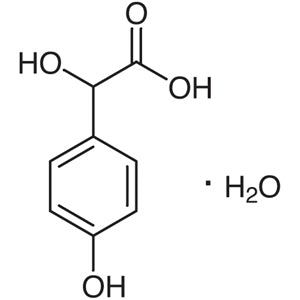
DL-4-HydroxymandelicAcidMonohydrate TCI H0660
Regular price Rp 4.531.800,00Regular priceRp 3.184.650,00Sale price Rp 4.531.800,00 -
DL-4-MethoxymandelicAcid TCI M2278
Regular price From Rp 2.093.700,00Regular priceRp 1.479.450,00Sale price From Rp 2.093.700,00 -
DL-4-Hydroxy-3-methoxymandelicAcid TCI H0268
Regular price From Rp 1.881.600,00Regular priceRp 1.331.400,00Sale price From Rp 1.881.600,00