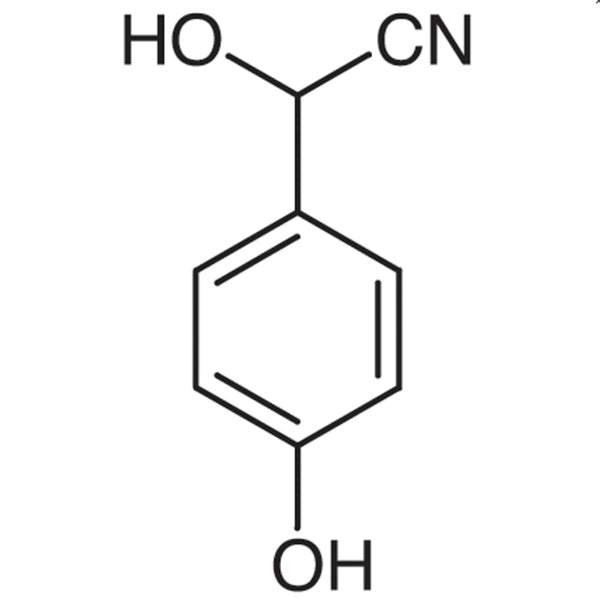
TCI H0563 DL-4-Hydroxymandelonitrile is a cyanohydrin in which a nitrile group and a hydroxyl group are joined on a single benzylic carbon atom, with that carbon attached to a benzene ring bearing a hydroxyl substituent at the para position. The DL designation indicates that the material is a racemic mixture of both enantiomers rather than a single optically pure form. As a non-heterocyclic building block, this compound is valued because it brings together three reactive functional groups within one small molecule: the nitrile, the benzylic hydroxyl, and the phenol. It is also recognised as an important intermediate in plant biosynthetic pathways and in studies of hydroxynitrile lyase enzymes.
The property that leads chemists to select this compound is the range of transformations that can be carried out from a single starting material. The nitrile group can be hydrolysed to 4-hydroxymandelic acid or reduced to the corresponding amine, the benzylic hydroxyl group can be esterified or displaced by substitution, and the phenolic group can be alkylated or used for further coupling. This combination allows several distinct synthetic routes to branch from one inventory item. It should be noted that cyanohydrins exist in equilibrium with their parent aldehyde and hydrogen cyanide, so the material is classed as an unstable substance that must be kept cold and handled with considerable care. The racemic character also means that enantiomerically defined work requires additional resolution or asymmetric strategy.
In Indonesian laboratories, this building block is typically encountered in university and institutional synthetic chemistry groups, in enzyme and biocatalysis research, and in method development work where a multifunctional aromatic intermediate is required. Because of its instability, it is usually ordered in the smallest practical quantity for a defined experimental campaign rather than held as a long-term stock item, and it is normally received and stored under cold conditions from the moment of delivery.
- Cyanohydrin chemistry research: the compound provides a ready-made para-hydroxy aromatic cyanohydrin, allowing researchers to study addition and dissociation equilibria without preparing the material in situ from aldehyde and cyanide.
- Hydroxynitrile lyase enzyme studies: as a recognised substrate and product in hydroxynitrile lyase systems, it supports enzyme activity assays, kinetic characterisation, and comparative work on biocatalytic performance in the laboratory.
- Synthesis of 4-hydroxymandelic acid: controlled hydrolysis of the nitrile group converts this building block directly into the corresponding mandelic acid derivative, a straightforward route from a single purchased intermediate.
- Amine intermediate preparation: reduction of the nitrile function yields an aminoethanol-type aromatic amine, giving synthetic groups access to a further class of derivatives from the same starting material.
- Plant biosynthesis pathway investigation: because the compound features as an intermediate in plant metabolic routes, it is used as an authentic reference material and substrate in biochemical and phytochemical studies.
| Brand | TCI (Tokyo Chemical Industry) |
|---|---|
| CAS number | 13093-65-7 |
| Molecular formula | — |
| Purity | — |
| Category | Chemistry > Building Blocks > Non-Heterocyclic Building Blocks |
| Pack sizes | research-scale catalogue pack sizes as listed by TCI; please confirm the available option when ordering |
| Physical form | — |
| Storage | unstable material requiring cold storage and careful handling |
- Chemical class: cyanohydrin bearing nitrile, benzylic hydroxyl, and phenolic functional groups; supplied as the DL racemic mixture
This product is classified as an unstable substance and must be kept under cold storage conditions at all times, including during receipt and internal transfer. Keep the material in its original tightly closed container, protected from moisture and from prolonged exposure to air and light, and return it to cold storage immediately after each use. Because cyanohydrins stand in equilibrium with the parent aldehyde and hydrogen cyanide, all handling should be performed inside a properly functioning fume hood by trained personnel wearing appropriate gloves, safety goggles, and a laboratory coat. Avoid conditions that may accelerate dissociation, minimise the time the container spends outside cold storage, and consult the manufacturer's safety data sheet before beginning any work with this compound.
—
Produk Terkait
-
Mandelonitrile TCI M0566
Regular price Rp 769.650,00Regular price -
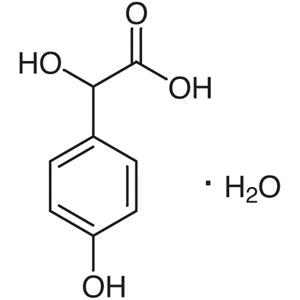
DL-4-HydroxymandelicAcidMonohydrate TCI H0660
Regular price Rp 4.479.300,00Regular price -
DL-3,4-DihydroxymandelicAcid TCI D0582
Regular price Rp 3.392.550,00Regular price -
Pimelonitrile TCI P0049
Regular price From Rp 1.167.600,00Regular price -
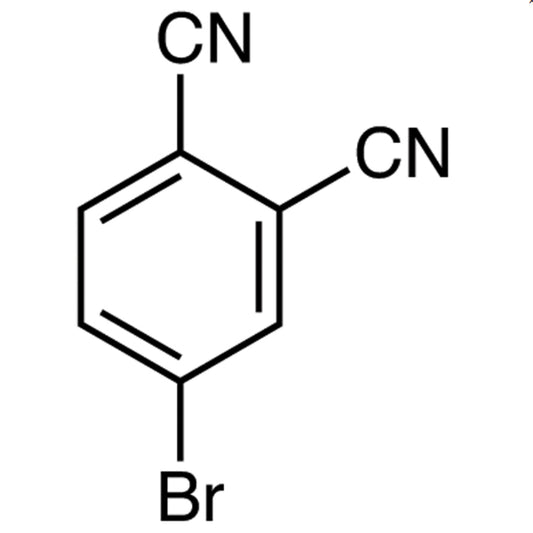
4-Bromophthalonitrile TCI B5509
Regular price From Rp 2.094.750,00Regular price -
4-Butoxyphthalonitrile TCI B1353
Regular price Rp 1.565.550,00Regular price -
(E)-3-(4-Amino-3,5-dimethylphenyl)acrylonitrileHydrochloride TCI A2982
Regular price Rp 2.174.550,00Regular price -
Tetrachloroterephthalonitrile TCI T1058
Regular price From Rp 769.650,00Regular price