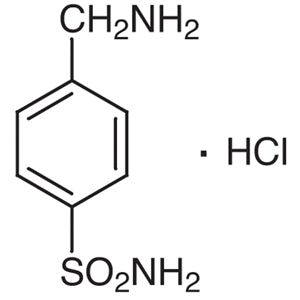
Homosulfamine Hydrochloride is a chemical compound widely utilized in laboratory settings for its versatility in chemical reactions and organic synthesis. This compound serves as a key building block in the development of complex molecular structures, making it an essential tool for chemists and researchers. Its unique chemical structure enables it to participate effectively in various synthetic pathways, supporting both fundamental and applied research. In Indonesian laboratories, it is frequently employed in the pursuit of scientific innovation and discovery across multiple disciplines.
The chemical stability and controlled reactivity of Homosulfamine Hydrochloride make it a preferred choice for synthetic processes. These properties ensure that reactions proceed efficiently without unwanted side reactions, enhancing the reliability of experimental outcomes. Its solid form also facilitates accurate measurement and handling, which is crucial for maintaining consistency in laboratory procedures. The compound's ability to undergo substitution and condensation reactions further expands its utility in the synthesis of a wide range of organic compounds.
In the context of Indonesian laboratories, Homosulfamine Hydrochloride is commonly used in both academic and industrial research environments. Its application spans from basic chemical studies to more advanced pharmaceutical and material science projects. Researchers in Indonesia rely on this compound for its predictable behavior and compatibility with various synthetic methodologies, making it a staple in many laboratory workflows.
TCI brochures (PDF)
- Pharmaceutical Ingredients for Research and Experimental Use 2026-03-09 · p. 45
Related TCI products
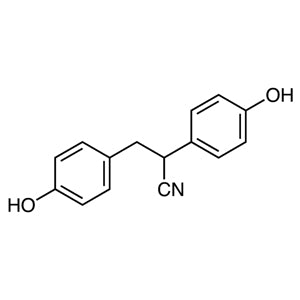
- TCI B4385 1428-67-7 Diarylpropionitrile
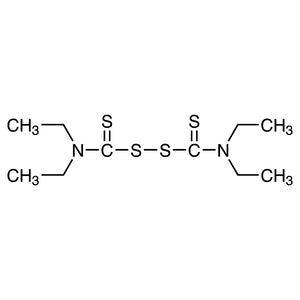
- TCI B0479 97-77-8 Tetraethylthiuram Disulfide
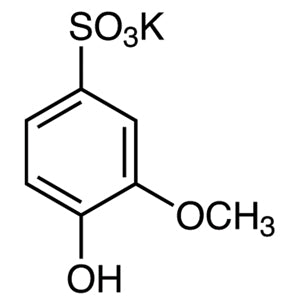
- TCI G0160 16241-25-1 Potassium Guaiacolsulfonate
- TCI T2701 6809-52-5 Teprenone [mixture of (5E,9E,13E)- and (5Z,9E,13E)- isomers]
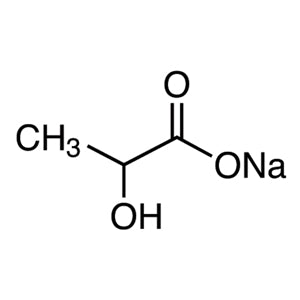
- TCI S0928 72-17-3 Sodium DL-Lactate (60% in Water)
- TCI H0685 101-86-0 alpha-Hexylcinnamaldehyde
- Substitution reactions on aromatic compounds to achieve more complex molecular structures.
- Synthesis of heterocyclic compounds requiring controlled reactivity and structural specificity.
- Development of pharmacological agents that demand precise chemical structures for biological activity.
- Research into mechanistic studies involving chemical transformations and reaction pathways.
- Preparation of intermediate compounds for further chemical modifications and functional group manipulations.
| Brand | TCI |
|---|---|
| CAS number | 138-37-4 |
| Molecular formula | — |
| Purity | — |
| Category | Chemistry > Building Blocks > Non-Heterocyclic Building Blocks |
| Pack sizes | Available in various quantities as per standard laboratory supply |
| Physical form | Solid |
| Storage | Store in a cool, dry place away from moisture and direct sunlight |
Homosulfamine Hydrochloride should be stored in a cool, dry environment to maintain its chemical stability. It is recommended to keep the compound in a sealed container to prevent exposure to moisture, which could affect its integrity. Suitable containers include glass or high-density polyethylene vessels to ensure chemical compatibility. In laboratory settings, it is important to handle the compound with care, using appropriate personal protective equipment such as gloves and safety goggles. Avoid direct contact with skin and inhalation of dust, and ensure proper ventilation when working with powdered forms. Regular monitoring of storage conditions will help preserve the compound's effectiveness for experimental use.
—
Product Categories
Produk Terkait
-
Diarylpropionitrile TCI B4385
Regular price From Rp 2.942.100,00Regular price -
TetraethylthiuramDisulfide TCI B0479
Regular price From Rp 505.050,00Regular price -
PotassiumGuaiacolsulfonate TCI G0160
Regular price Rp 1.167.600,00Regular price -
Teprenone[mixtureof(5E,9E,13E)-and(5Z,9E,13E)-isomers] TCI T2701
Regular price From Rp 2.147.250,00Regular price -
SodiumDL-Lactate(60%inWater) TCI S0928
Regular price Rp 823.200,00Regular price -
alpha-Hexylcinnamaldehyde TCI H0685
Regular price From Rp 530.250,00Regular price -
4'-Hydroxyacetanilide TCI H0190
Regular price From Rp 769.650,00Regular price -
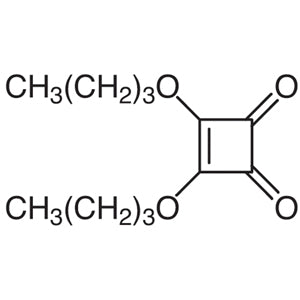
3,4-Dibutoxy-3-cyclobutene-1,2-dione TCI D2203
Regular price From Rp 2.254.350,00Regular price
![6809-52-5 Teprenone [mixture of (5E,9E,13E)- and (5Z,9E,13E)- isomers] - AMI Scientific](http://amiscientific.com/cdn/shop/files/TCI2510T2701.jpg?v=1767143256&width=533)