TCI H0608 4-Hydroxymethylbiphenyl is a benzylic alcohol built on a biphenyl framework, consisting of two benzene rings joined directly to one another with a hydroxymethyl group at the para position. In the laboratory, this compound serves as a building block for preparing biphenyl-based compounds that appear widely in functional materials, liquid crystals, and a variety of drug candidates. Its hydroxymethyl group provides a single clean and easily controlled reactive site, allowing researchers to convert it into halides, aldehydes, carboxylic acids, esters, or ethers according to the requirements of the synthetic route being pursued.
The characteristics that make it a frequently chosen reagent are the rigidity and the electronic behaviour of the biphenyl framework. Two conjugated aromatic rings produce an elongated, rigid structure that is advantageous for the design of mesogenic molecules as well as optoelectronic materials. The biphenyl skeleton also delivers ultraviolet absorption and often fluorescence properties that are useful both for monitoring reactions and for characterising products. At the same time, the benzylic alcohol is reactive enough to be converted under mild conditions yet remains stable during ordinary storage, so the material behaves predictably from the moment it is opened until the step in which it is consumed.
In Indonesian laboratories, this reagent is typically encountered in university and institutional research groups working on organic synthesis, materials chemistry, and medicinal chemistry, as well as in industrial R&D units developing specialty compounds. It is commonly used in small-scale bench work where a defined aromatic scaffold with one addressable functional group is needed, and it is generally stored alongside other organic building blocks in a chemical store room and weighed out only in the quantity required for each experiment.
- Organic synthesis building block: the single hydroxymethyl handle on a fixed aromatic scaffold lets chemists extend the molecule in a predictable direction without competing reactive sites.
- Liquid crystal research: the rigid, elongated biphenyl core is a classic mesogenic unit, so this alcohol is a convenient entry point for preparing rod-shaped target molecules.
- Functional and optoelectronic materials preparation: the conjugated two-ring system contributes ultraviolet absorption and often fluorescence, properties that researchers exploit when designing light-responsive materials.
- Medicinal chemistry intermediate work: many drug candidates contain a biphenyl motif, and this reagent supplies that motif together with a position ready for further derivatisation.
- Functional group transformation studies: the benzylic alcohol converts cleanly into halides, aldehydes, carboxylic acids, esters, or ethers, making it a useful substrate for teaching and method development.
| Brand | TCI |
|---|---|
| CAS number | 3597-91-9 |
| Molecular formula | — |
| Purity | — |
| Category | Chemistry > Building Blocks > Non-Heterocyclic Building Blocks |
| Pack sizes | supplied in standard TCI research-scale packaging; please confirm the available pack size when ordering |
| Physical form | organic building block reagent supplied in a sealed container |
| Storage | keep in the tightly closed original container, in a cool, dry, well-ventilated place away from light and moisture |
Store the container tightly closed in a cool, dry and well-ventilated area, away from direct sunlight, heat sources, moisture and incompatible chemicals such as strong oxidising agents. The original supplier container is the most suitable option because it is chemically compatible and correctly labelled; if the material must be transferred, use a clean, dry, properly labelled glass or other chemically compatible container. Handle the compound in a fume hood, wear safety glasses, gloves and a laboratory coat, and avoid generating or inhaling dust. Weigh out only the amount required for each experiment and reseal the container promptly afterwards to limit exposure to air and humidity. Wash hands thoroughly after handling, keep the material out of drains, and consult the manufacturer's safety data sheet before first use and before any disposal.
—
Produk Terkait
-
3-Hydroxymethyl-2-methylbiphenyl TCI H0777
Regular price Rp 3.127.950,00Regular price -
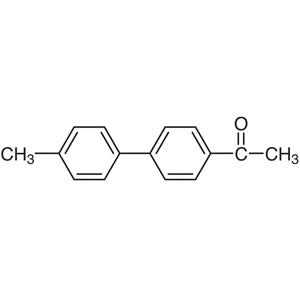
4-Acetyl-4'-methylbiphenyl TCI A1322
Regular price From Rp 1.035.300,00Regular price -
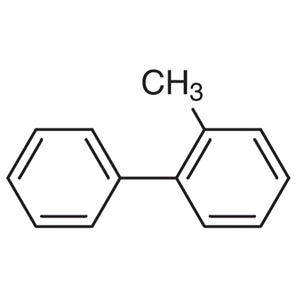
2-Methylbiphenyl TCI M1242
Regular price From Rp 1.405.950,00Regular price -
4-Methylbiphenyl TCI M0563
Regular price From Rp 1.060.500,00Regular price -
3-Methylbiphenyl TCI M0296
Regular price From Rp 1.431.150,00Regular price -
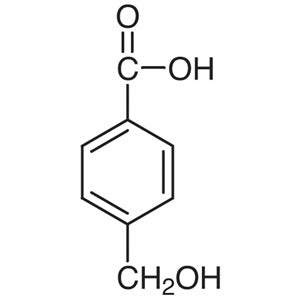
4-HydroxymethylbenzoicAcid TCI H0769
Regular price From Rp 2.332.050,00Regular price -
3-Ethylbiphenyl TCI E0568
Regular price Rp 5.857.950,00Regular price -
2,2'-Dimethylbiphenyl TCI D1717
Regular price From Rp 1.590.750,00Regular price