4-(4-Heptylphenyl)benzoic Acid is a chemical compound widely used in laboratory settings for the synthesis of complex molecules. As a building block in organic chemistry, it plays a crucial role in the development of new compounds with diverse applications. This compound is particularly valuable for creating molecular structures that require long hydrocarbon chains, making it an essential tool in synthetic chemistry. Its versatility allows it to participate in various chemical reactions such as esterification, amidation, and substitution, contributing to the advancement of chemical research.
The compound’s non-polar nature, derived from its long heptyl chain, makes it suitable for reactions in non-polar solvents. This characteristic enhances its utility in a range of chemical processes, especially those requiring solubility in organic media. Additionally, its stable molecular structure ensures consistent performance in laboratory experiments, reducing the risk of unwanted side reactions. These properties make it a reliable choice for both academic and industrial research environments.
In Indonesian laboratories, 4-(4-Heptylphenyl)benzoic Acid is commonly used by researchers and students working on organic chemistry projects. It is particularly relevant for studies involving the synthesis of complex compounds, especially in educational and research institutions focused on chemical innovation. Its availability and chemical properties support a wide array of experimental applications, making it a preferred material in the field.
- Organic synthesis projects benefit from this compound's ability to form complex molecular structures through various chemical reactions.
- It is ideal for research involving long hydrocarbon chains, making it suitable for polymer and material science applications.
- The compound supports the development of pharmaceutical compounds due to its structural versatility and chemical stability.
- It is frequently used in academic settings for teaching and experimental purposes in organic chemistry courses.
- Its non-polar nature makes it a valuable component in reactions requiring solubility in organic solvents.
| Brand | TCI |
|---|---|
| CAS number | 58573-94-7 |
| Molecular formula | — |
| Purity | — |
| Category | Chemistry > Building Blocks > Non-Heterocyclic Building Blocks |
| Pack sizes | Available in standard laboratory quantities |
| Physical form | Solid |
| Storage | Store in a cool, dry place away from light and moisture |
This compound should be stored in a cool, dry environment, away from direct sunlight and sources of moisture. It is recommended to use airtight containers to prevent exposure to air and humidity, which may affect its stability. Due to its non-polar nature, it is typically handled in organic solvents, and appropriate personal protective equipment should be worn when working with it. In laboratory settings, it is important to ensure proper ventilation and follow standard chemical safety protocols to minimize any potential risks. The compound is not classified as hazardous under standard handling conditions, but standard laboratory precautions should still be observed.
—
Produk Terkait
-
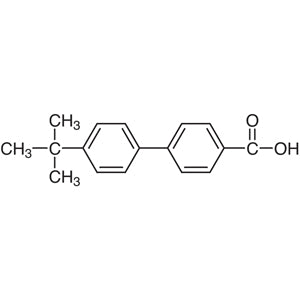
4-(4-tert-Butylphenyl)benzoicAcid TCI B1986
Regular price From Rp 2.677.500,00Regular price -
4-(4-Propylphenyl)benzoicAcid TCI P1037
Regular price Rp 2.411.850,00Regular price -
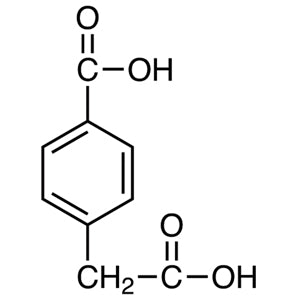
4-(Carboxymethyl)benzoicAcid TCI C3530
Regular price From Rp 1.273.650,00Regular price -
3,4,5-Tris(dodecyloxy)benzoicAcid TCI T3606
Regular price Rp 3.738.000,00Regular price -
4-(4-Methylphenoxy)benzoicAcid TCI T3391
Regular price From Rp 2.889.600,00Regular price -
2-(p-Tolyl)benzoicAcid TCI T2377
Regular price From Rp 769.650,00Regular price -
3,4,5-Tris(benzyloxy)benzoicAcid TCI T1869
Regular price From Rp 3.260.250,00Regular price -
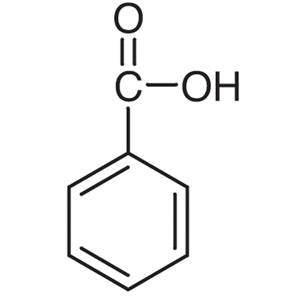
BenzoicAcid TCI B2635
Regular price From Rp 505.050,00Regular price