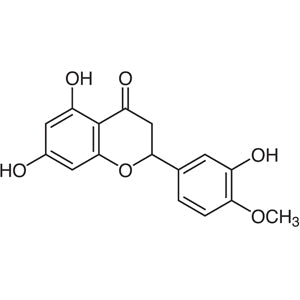
Hesperetin is a flavonoid compound naturally found in various plants, particularly in fruits such as oranges and apples. As a key component in the field of life sciences, it plays a vital role in biochemical and pharmaceutical research. Its presence in natural sources makes it an essential raw material for the development of pharmaceutical products and the analysis of bioactive compounds. In laboratory settings, hesperetin is widely used to study the pharmacological effects of natural substances, including antioxidant and anti-inflammatory properties, which are critical in understanding human health and disease mechanisms.
Hesperetin is valued for its stable chemical structure and favorable chemical properties, which allow it to be used in a variety of reaction conditions. It exhibits good solubility in organic solvents such as ethyl acetate and ethanol, making it ideal for extraction and synthesis processes. These characteristics ensure consistency and reliability in experimental results, making hesperetin a preferred choice for researchers seeking precise and stable chemical compounds. Additionally, it is free from toxic chemical components, ensuring a safe working environment in laboratories that prioritize safety and compliance.
In Indonesian laboratories, hesperetin is commonly used in research focused on natural products and their therapeutic potential. Its application spans across various scientific disciplines, including biochemistry, pharmacology, and medicinal chemistry. Researchers in Indonesia rely on hesperetin for its reliability and effectiveness in studying the biological activities of plant-derived compounds, contributing to advancements in both academic and applied research.
- Hesperetin is used in antioxidant activity testing due to its stable chemical structure and ability to neutralize free radicals effectively.
- It is employed in anti-inflammatory research to evaluate the biological effects of natural compounds on inflammatory pathways.
- Hesperetin supports pharmaceutical development by serving as a raw material for drug formulation and bioactive compound analysis.
- It is utilized in pharmacological studies to assess the potential therapeutic applications of natural substances in human health.
- The compound is applied in biochemical research to investigate the mechanisms of action of plant-derived compounds in cellular and molecular processes.
| Brand | TCI |
|---|---|
| CAS number | 520-33-2 |
| Molecular formula | — |
| Purity | — |
| Category | Life Science > Biochemicals and Reagents > Crude Medicine Ingredients for Research and Experimental Use |
| Pack sizes | Available in standard research quantities as per supplier specifications |
| Physical form | Powder |
| Storage | Store in a cool, dry place away from direct sunlight and moisture |
Hesperetin should be stored in a cool, dry environment to maintain its chemical stability and prevent degradation. It is recommended to keep the compound in airtight containers to avoid exposure to moisture and air, which could affect its solubility and purity. Proper labeling of storage containers is essential for safe handling and traceability. In laboratory settings, personal protective equipment such as gloves and safety goggles should be worn when handling the compound to ensure safety. Regular monitoring of storage conditions is advised to maintain the integrity of the material and ensure its effectiveness in research applications.
—
Produk Terkait
-
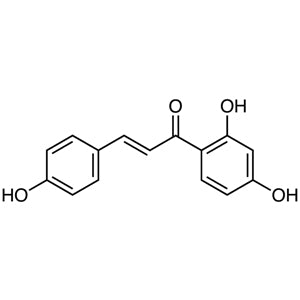
Isoliquiritigenin TCI I0822
Regular price From Rp 1.035.300,00Regular price -
Tetrahydrocurcumin TCI T3587
Regular price From Rp 2.386.650,00Regular price -
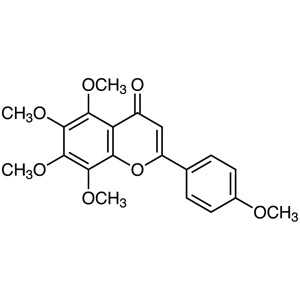
Tangeretin TCI T2708
Regular price From Rp 5.619.600,00Regular price -
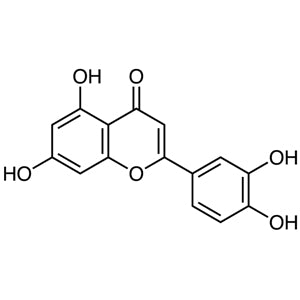
3',4',5,7-Tetrahydroxyflavone TCI T2682
Regular price From Rp 1.565.550,00Regular price -
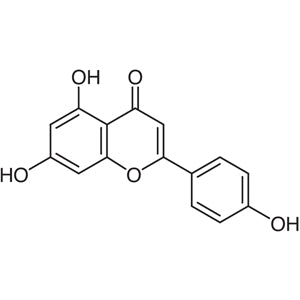
Apigenin TCI A1514
Regular price Rp 5.778.150,00Regular price -
OroxylinA TCI O0635
Regular price Rp 5.194.350,00Regular price -
Naringin TCI N0073
Regular price Rp 1.618.050,00Regular price -
Glycitein TCI G0634
Regular price Rp 6.148.800,00Regular price