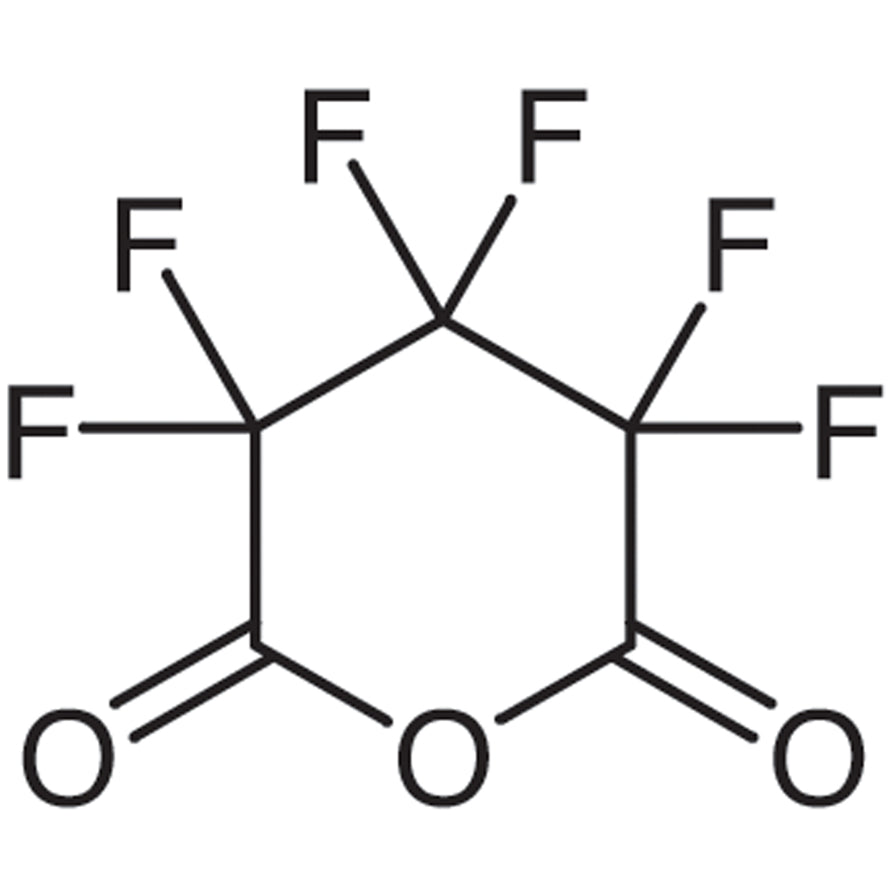
2,2,3,3,4,4-Hexafluoropentanedioic Anhydride is a fluorinated chemical compound widely used in laboratory settings as a building block for the synthesis of organofluorine compounds. This anhydride-based material plays a crucial role in chemical reactions that require fluorine substitution along carbon chains. Its high reactivity and unique chemical structure make it a versatile reagent for various synthetic processes. In research environments, it is valued for its ability to participate in reactions with different bases and nucleophiles, offering a wide range of chemical applications.
The compound's high fluorine content and strong electronegativity contribute to its polar nature and chemical stability, making it a preferred choice in specialized chemical synthesis. Its molecular structure allows for efficient interaction in reactions that demand precise control over fluorine incorporation. This reactivity, combined with its chemical stability, ensures that it remains a reliable component in both academic and industrial research. The presence of six fluorine atoms further enhances its unique chemical properties, which are essential in the development of advanced materials and pharmaceutical compounds.
In Indonesian laboratories, this compound is commonly used in scientific research and chemical product development. Its reactivity and versatility make it a key reagent in pharmaceutical, material science, and organic chemistry studies. Researchers across various institutions rely on this compound for its ability to facilitate complex chemical transformations, supporting innovation in multiple scientific fields.
TCI brochures (PDF)
- Fluorous Chemistry 2025-01-21 · p. 7
Related TCI products
- TCI H0746 376-90-9 2,2,3,3,4,4-Hexafluoro-1,5-pentanediol
- TCI T2478 699-30-9 Tetrafluorosuccinic Anhydride
- TCI T1593 25753-16-6 4-Trifluoromethylbenzoic Anhydride
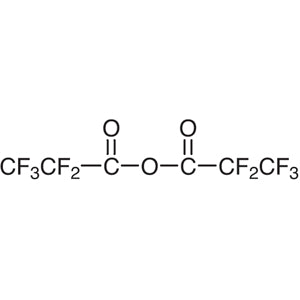
- TCI T0433 407-25-0 Trifluoroacetic Anhydride
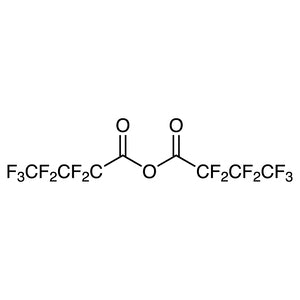
- TCI P0566 356-42-3 Pentafluoropropionic Anhydride
- TCI H0337 336-59-4 Heptafluorobutyric Anhydride
- Fluorinated Compound Synthesis: This anhydride is ideal for creating organofluorine compounds due to its reactivity and fluorine content.
- Organic Chemistry Research: Its ability to react with various nucleophiles and bases makes it suitable for complex organic transformations.
- Pharmaceutical Development: The compound is used in the synthesis of fluorinated pharmaceuticals, enhancing drug stability and efficacy.
- Material Science Innovation: Its high electronegativity and chemical stability contribute to the development of advanced functional materials.
- Analytical Chemistry Applications: It serves as a reagent in analytical processes requiring precise fluorine incorporation in molecular structures.
| Brand | TCI |
|---|---|
| CAS number | 376-68-1 |
| Molecular formula | — |
| Purity | — |
| Category | Chemistry > Building Blocks > Fluorinated Building Blocks |
| Pack sizes | — |
| Physical form | — |
| Storage | Store in a cool, dry place away from moisture and direct sunlight |
This compound should be stored in a cool, dry environment, away from moisture and direct sunlight to maintain its chemical integrity. It is recommended to use airtight containers made of materials compatible with its chemical properties, such as glass or high-density polyethylene. Due to its reactivity, it should be handled with appropriate personal protective equipment, including gloves and safety goggles. Proper ventilation is essential when working with this compound to minimize exposure. Laboratories should ensure that it is kept in a secure location, away from incompatible substances to prevent any potential chemical interactions. Regular monitoring of storage conditions is advised to ensure the compound remains stable and safe for use.
—
Produk Terkait
-
2,2,3,3,4,4-Hexafluoro-1,5-pentanediol TCI H0746
Regular price Rp 903.000,00Regular price -
TetrafluorosuccinicAnhydride TCI T2478
Regular price From Rp 1.936.200,00Regular price -
4-TrifluoromethylbenzoicAnhydride TCI T1593
Regular price Rp 4.797.450,00Regular price -
TrifluoroaceticAnhydride TCI T0433
Regular price From Rp 769.650,00Regular price -
PentafluoropropionicAnhydride TCI P0566
Regular price From Rp 1.008.000,00Regular price -
HeptafluorobutyricAnhydride TCI H0337
Regular price Rp 2.279.550,00Regular price -
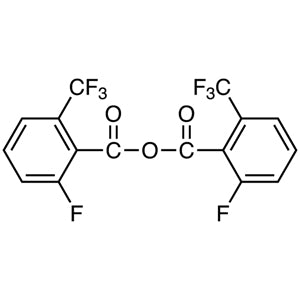
2-Fluoro-6-(trifluoromethyl)benzoicAnhydride TCI F1184
Regular price Rp 2.016.000,00Regular price -
3-FluorophthalicAnhydride TCI F0349
Regular price From Rp 3.472.350,00Regular price