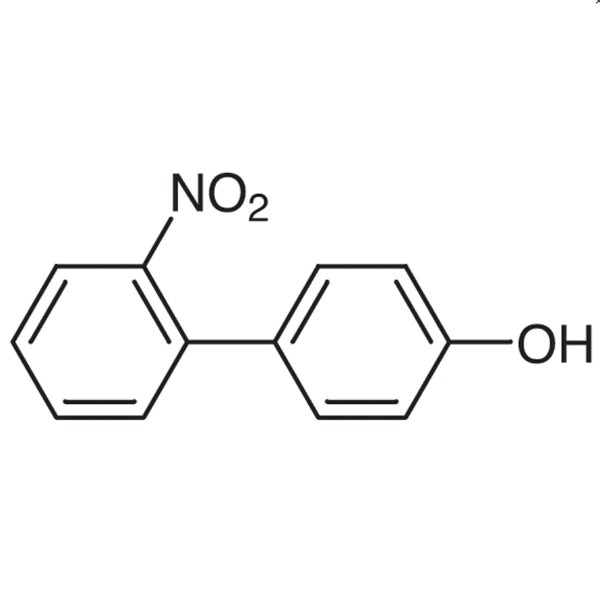
4-Hydroxy-2'-nitrobiphenyl is a chemical compound widely used in laboratory settings for its unique molecular structure and versatile applications. This compound belongs to the category of non-heterocyclic building blocks and is commonly utilized in synthetic chemistry for the development of complex molecules. Its aromatic structure provides stability, making it an essential reagent in various chemical reactions. In the laboratory, it serves as a foundational material for both research and industrial applications, supporting the creation of new compounds with specific functional properties.
The compound's stability and controlled reactivity make it a preferred choice for precise chemical experiments. Its ability to participate in a variety of chemical transformations, such as electrophilic substitution and oxidation reactions, enhances its utility in synthetic pathways. Additionally, its solubility in organic solvents simplifies handling and integration into experimental protocols. The presence of both hydroxyl and nitro groups contributes to its reactivity and allows for further chemical modifications, making it a valuable tool for chemists seeking to explore molecular diversity.
In Indonesian laboratories, 4-Hydroxy-2'-nitrobiphenyl is commonly used in pure chemical research, pharmaceutical development, and environmental studies. It is a key component in the synthesis of bioactive compounds and is often employed in academic and industrial research settings. Its reliability and consistent performance make it a trusted material for scientists working on advanced chemical projects.
- Used in organic synthesis for the preparation of complex aromatic compounds due to its stable aromatic structure and reactivity.
- Applied in pharmaceutical research for the development of new drugs and bioactive molecules through functional group modification.
- Utilized in environmental chemistry studies to analyze the behavior of aromatic compounds in different media and their degradation pathways.
- Employed in analytical chemistry for the calibration of instruments and as a standard reference material in spectroscopic analysis.
- Incorporated in teaching laboratories to demonstrate fundamental chemical reactions and molecular structure manipulation.
| Brand | TCI |
|---|---|
| CAS number | 20281-23-6 |
| Molecular formula | — |
| Purity | — |
| Category | Chemistry > Building Blocks > Non-Heterocyclic Building Blocks |
| Pack sizes | Available in various quantities as per supplier specifications |
| Physical form | Solid |
| Storage | Store in a cool, dry place away from direct sunlight |
4-Hydroxy-2'-nitrobiphenyl should be stored in a cool, dry environment to maintain its chemical integrity. It is recommended to keep the compound in a sealed container to prevent moisture absorption and contamination. Due to its aromatic nature, it is advisable to store it away from incompatible substances such as strong oxidizing agents. The container should be made of a material that is chemically inert, such as glass or high-density polyethylene. Always ensure proper ventilation when handling the compound to minimize exposure. Regular inspection of storage conditions is essential to maintain the quality and safety of the material in the laboratory.
—
Produk Terkait
-
4-Hydroxy-3-nitrobiphenyl TCI N0560
Regular price From Rp 2.757.300,00Regular price -
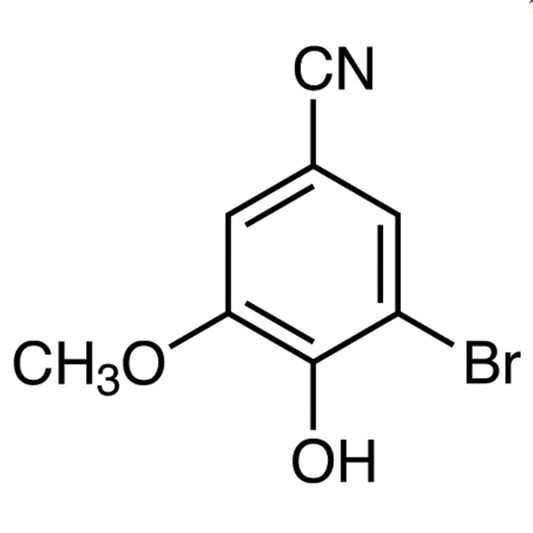
3-Bromo-4-hydroxy-5-methoxybenzonitrile TCI B4757
Regular price From Rp 689.850,00Regular price -
2-Hydroxy-4-nitrobenzaldehyde TCI H1962
Regular price From Rp 1.829.100,00Regular price -
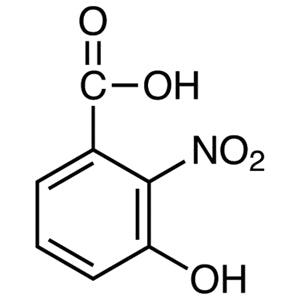
3-Hydroxy-2-nitrobenzoicAcid TCI H1324
Regular price From Rp 1.378.650,00Regular price -
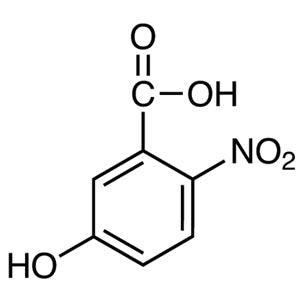
5-Hydroxy-2-nitrobenzoicAcid TCI H1321
Regular price From Rp 1.565.550,00Regular price -
3-Hydroxy-3-methyl-2-butanoneOxime TCI H0472
Regular price Rp 3.155.250,00Regular price -
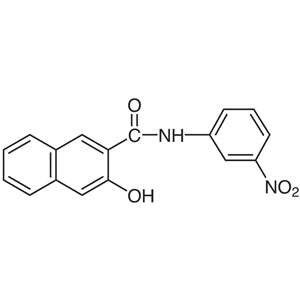
3-Hydroxy-3'-nitro-2-naphthanilide TCI H0314
Regular price Rp 477.750,00Regular price -
4-Hydroxy-4'-dimethylaminoazobenzene TCI H0237
Regular price From Rp 1.220.100,00Regular price