4-Heptylbenzoyl Chloride is a chemical compound widely used as a foundational building block in various chemical reactions, particularly in the synthesis of complex organic molecules. Its molecular structure contains a chloride group and a heptyl chain, making it highly versatile for substitution reactions and the formation of new chemical bonds. This compound is commonly found in chemical laboratories that focus on organic synthesis, where it serves as a key reagent in the development of new compounds and materials. Its role in laboratory settings is critical for researchers aiming to explore chemical transformations and create novel substances with specific properties.
The compound is chemically stable under certain conditions, yet it exhibits high reactivity towards water and polar solvents. This reactivity makes it an ideal choice for reactions that require precise control over the reaction environment. Its ability to participate in a wide range of chemical transformations, such as esterification and acylation, further enhances its utility in synthetic chemistry. The stability and reactivity of 4-Heptylbenzoyl Chloride make it a preferred reagent in both academic and industrial research settings.
In Indonesian laboratories, 4-Heptylbenzoyl Chloride is utilized for chemical research, compound development, and educational purposes. It is a vital component in experiments that require high-quality organic building blocks. Many research institutions and universities rely on this compound for experiments involving organic synthesis and the creation of new materials. Its availability in small pack sizes ensures ease of use in laboratory settings, supporting both routine and advanced research activities.
- Organic synthesis of complex compounds requiring substitution reactions due to its reactive chloride group and heptyl chain.
- Development of pharmaceutical and cosmetic chemicals as a key intermediate in functional group transformations.
- Educational experiments in organic chemistry to demonstrate reactivity and molecular structure in laboratory settings.
- Research in material science for the creation of new polymers and functional materials through controlled chemical reactions.
- Industrial applications in chemical manufacturing where precise chemical transformations are essential for product development.
| Brand | TCI |
|---|---|
| CAS number | 50606-96-7 |
| Molecular formula | — |
| Purity | — |
| Category | Chemistry > Building Blocks > Non-Heterocyclic Building Blocks |
| Pack sizes | Available in small quantities suitable for laboratory use |
| Physical form | Solid |
| Storage | Store in a cool, dry place away from moisture and polar solvents |
4-Heptylbenzoyl Chloride should be stored in a cool, dry environment to maintain its chemical stability. It is recommended to keep the compound in a tightly sealed container to prevent exposure to moisture and polar solvents, which can trigger unwanted reactions. Due to its reactivity, it should be handled in a well-ventilated laboratory setting, with appropriate personal protective equipment such as gloves and safety goggles. Avoid contact with water and ensure that storage areas are free from incompatible materials. Regular monitoring of storage conditions is advised to ensure the compound remains suitable for use in laboratory applications.
—
Produk Terkait
-
2-Bromo-4,5-difluorobenzoicAcid TCI B5722
Regular price From Rp 1.618.050,00Regular price -
4-Bromo-2-fluorobenzoylChloride TCI B5817
Regular price From Rp 1.115.100,00Regular price -
2-(4-Bromophenyl)-2-methylpropanoicAcid TCI B6202
Regular price From Rp 1.140.300,00Regular price -
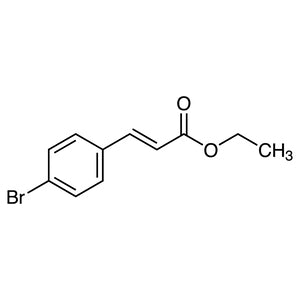
Ethyl(E)-3-(4-Bromophenyl)acrylate TCI B6526
Regular price From Rp 2.094.750,00Regular price -
[1,1'-Biphenyl]-2-carbonylChloride TCI B6543
Regular price From Rp 2.359.350,00Regular price -
Ethyl[1,1'-Biphenyl]-4-carboxylate TCI B6587
Regular price From Rp 1.644.300,00Regular price -
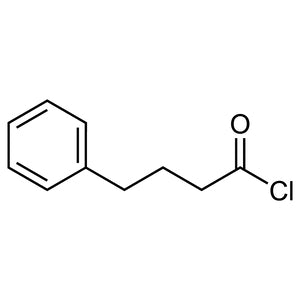
4-PhenylbutanoylChloride TCI B6620
Regular price From Rp 1.378.650,00Regular price -
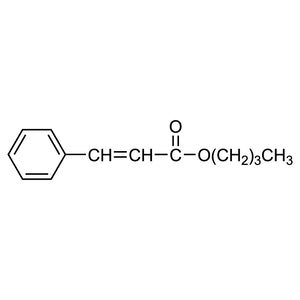
Butyl3-Phenylacrylate TCI B6837
Regular price From Rp 955.500,00Regular price


![[1,1'-Biphenyl]-2-carbonyl Chloride (CAS 14002-52-9) - TCI B6543 - AMI Scientific](http://amiscientific.com/cdn/shop/files/TCI2510B6543.jpg?v=1767093866&width=533)
![Ethyl [1,1'-Biphenyl]-4-carboxylate (CAS 6301-56-0) - TCI B6587 - AMI Scientific](http://amiscientific.com/cdn/shop/files/TCI2510B6587.jpg?v=1767093973&width=533)