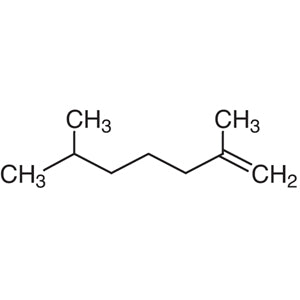
Trans-3-Heptene is an organic compound widely used in various chemical reactions within laboratory settings. As a building block in organic chemistry, it serves as a fundamental component for the synthesis of more complex molecules. Its unique structure and reactivity make it a valuable tool for researchers aiming to develop new compounds with specific functional properties. This compound is commonly found in chemical laboratories, where it plays a key role in both educational and research applications. Its versatility allows it to be used in multiple synthetic pathways, contributing to the advancement of chemical science.
The properties of trans-3-heptene that make it a preferred choice include its aliphatic structure and the presence of two double bonds at positions 1 and 3. These features enhance its reactivity, making it suitable for a wide range of chemical transformations such as hydration, halogenation, and polymerization. Its chemical stability under controlled conditions further supports its use in laboratory experiments. However, it is important to note that the compound is sensitive to oxidation and reactions with alkali metals, requiring careful handling and storage. These characteristics ensure that it remains a reliable and effective reagent for chemical synthesis.
In Indonesian laboratories, trans-3-heptene is frequently used in organic chemistry research, particularly in higher education institutions and basic research programs. Its availability in solid or liquid form makes it convenient for both storage and application. It is a key component in the development of new materials, pharmaceuticals, and chemical products, supporting the growth of scientific innovation in the region.
- Organic synthesis experiments benefit from trans-3-heptene due to its reactivity and ability to participate in multiple chemical reactions.
- It is commonly used in polymerization processes to create various types of polymers with specific structural properties.
- The compound is ideal for teaching purposes in chemistry courses, providing students with hands-on experience in synthetic chemistry.
- It supports research in pharmaceutical development by serving as a starting material for the synthesis of complex drug molecules.
- In material science, trans-3-heptene is used to create new materials with unique physical and chemical properties.
| Brand | TCI |
|---|---|
| CAS number | 14686-14-7 |
| Molecular formula | — |
| Purity | — |
| Category | Chemistry > Building Blocks > Non-Heterocyclic Building Blocks |
| Pack sizes | Available in various quantities as per supplier specifications |
| Physical form | Solid or liquid, depending on the packaging |
| Storage | Store in a cool, dry place away from light and incompatible materials |
Trans-3-Heptene should be stored in a cool, dry environment to maintain its chemical stability. It is recommended to keep it in airtight containers to prevent exposure to air and moisture. Due to its sensitivity to oxidation and reactivity with alkali metals, it should be stored away from incompatible substances such as strong oxidizers and reactive metals. Proper labeling of containers is essential for safe handling and to prevent accidental exposure. Laboratory personnel should always use appropriate personal protective equipment when handling this compound to ensure safety during experiments. Regular monitoring of storage conditions is necessary to maintain the integrity of the material and ensure its effectiveness in laboratory applications.
—
Produk Terkait
-
3-Methyl-3-heptene(cis-andtrans-mixture) TCI M0991
Regular price From Rp 3.763.200,00Regular priceRp 2.631.300,00Sale price From Rp 3.763.200,00 -
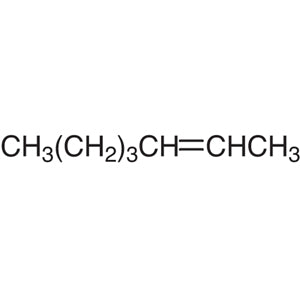
2-Heptene(cis-andtrans-mixture) TCI H0043
Regular price From Rp 2.411.850,00Regular priceRp 1.686.300,00Sale price From Rp 2.411.850,00 -
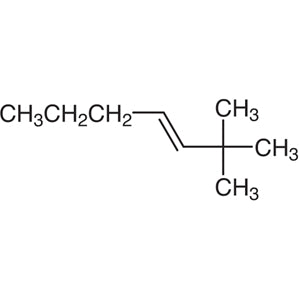
trans-2,2-Dimethyl-3-heptene TCI D1260
Regular price Rp 3.525.900,00Regular priceRp 2.465.400,00Sale price Rp 3.525.900,00 -
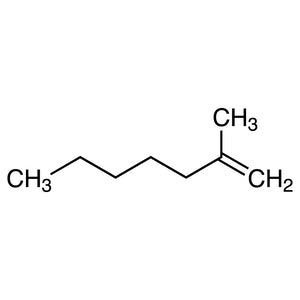
2-Methyl-1-heptene TCI M0534
Regular price Rp 2.995.650,00Regular priceRp 2.094.750,00Sale price Rp 2.995.650,00 -
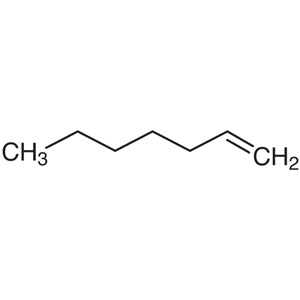
1-Heptene TCI H0042
Regular price From Rp 1.644.300,00Regular priceRp 1.149.750,00Sale price From Rp 1.644.300,00 -
2,6-Dimethyl-1-heptene TCI D1259
Regular price Rp 5.009.550,00Regular priceRp 3.502.800,00Sale price Rp 5.009.550,00 -
1,3-Pentadiene(cis-andtrans-mixture)(stabilizedwithTBC) TCI P1841
Regular price Rp 10.229.100,00Regular priceRp 7.152.600,00Sale price Rp 10.229.100,00 -
trans-1,3-Pentadiene(stabilizedwithTBC) TCI P0647
Regular price From Rp 1.829.100,00Regular priceRp 1.278.900,00Sale price From Rp 1.829.100,00