

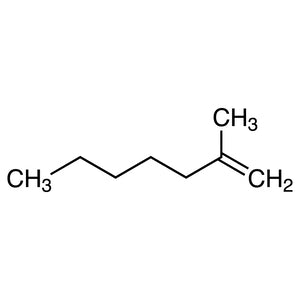
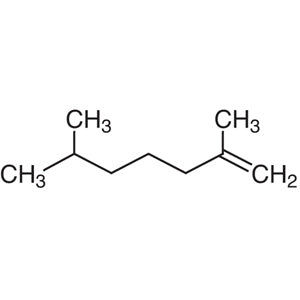
2-Methyl-1-heptene is an organic compound widely utilized in chemical reactions for the synthesis of complex molecules. As a building block, it serves as a fundamental component in the creation of larger chemical structures. In laboratory settings, this compound is frequently used as a starting material in reactions such as hydration, polymerization, and substitution. Its reactivity makes it a preferred choice for organic chemistry research. The compound features an aliphatic structure with a single double bond, which enhances its ability to participate in various chemical transformations. This characteristic allows it to be involved in addition, oxidation, and reduction reactions, making it versatile for different synthetic pathways.
The reactivity of 2-Methyl-1-heptene is a key factor in its popularity among chemists. Its ability to undergo multiple types of reactions makes it a valuable tool in the development of new compounds. The compound’s high purity and consistent packaging ensure reliability in scientific research, where precision and accuracy are essential. These qualities make it particularly suitable for advanced chemical experiments that require stable and reproducible results. Its chemical properties also allow it to be used in a wide range of applications, from academic research to industrial synthesis.
In Indonesian laboratories, 2-Methyl-1-heptene is commonly used in organic synthesis research. Many research institutions and universities rely on this compound for experiments requiring high-quality starting materials. Its availability and consistent performance make it a trusted choice for both academic and applied chemistry studies. The compound’s role in supporting scientific innovation underscores its importance in the chemical research landscape of Indonesia.
- Organic synthesis experiments benefit from 2-Methyl-1-heptene due to its reactivity and versatility in forming complex molecules.
- Polymerization reactions often utilize this compound as a monomer, allowing for the creation of various polymer structures.
- Substitution reactions in laboratory settings rely on its ability to participate in chemical transformations under different conditions.
- Oxidation and reduction processes use this compound as a reagent, enabling the synthesis of diverse chemical compounds.
- Research institutions use it for developing new chemical compounds, leveraging its structural properties for advanced synthetic pathways.
| Brand | TCI |
|---|---|
| CAS number | 15870-10-7 |
| Molecular formula | — |
| Purity | — |
| Category | Chemistry > Building Blocks > Non-Heterocyclic Building Blocks |
| Pack sizes | Available in standard laboratory quantities |
| Physical form | Liquid |
| Storage | Store in a cool, dry place away from light |
2-Methyl-1-heptene should be stored in a cool, dry place away from direct light to maintain its stability and reactivity. It is recommended to use airtight containers to prevent exposure to air and moisture, which could affect its chemical properties. In laboratory settings, it should be handled with appropriate safety measures, such as using gloves and ensuring proper ventilation. Due to its reactivity, it should be stored separately from strong oxidizing agents to avoid unwanted chemical interactions. Regular monitoring of storage conditions is essential to ensure the compound remains in optimal condition for use in research applications. Proper storage and handling practices are crucial to maintaining the integrity and effectiveness of this compound in laboratory experiments.
—
Produk Terkait
-
3-Methyl-3-heptene(cis-andtrans-mixture) TCI M0991
Regular price From Rp 3.763.200,00Regular price -
trans-3-Heptene TCI H0874
Regular price Rp 4.691.400,00Regular price -
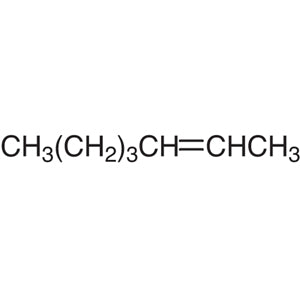
2-Heptene(cis-andtrans-mixture) TCI H0043
Regular price From Rp 2.411.850,00Regular price -
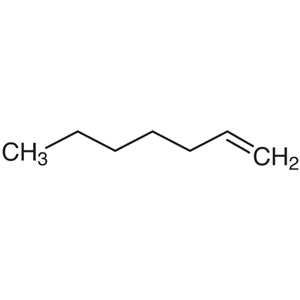
1-Heptene TCI H0042
Regular price From Rp 1.644.300,00Regular price -
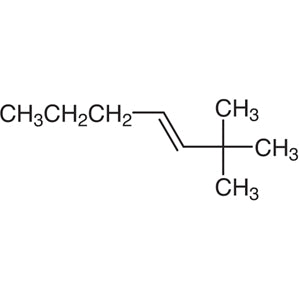
trans-2,2-Dimethyl-3-heptene TCI D1260
Regular price Rp 3.525.900,00Regular price -
2,6-Dimethyl-1-heptene TCI D1259
Regular price Rp 5.009.550,00Regular price -
1-Heptene[StandardMaterialforGC] TCI S0337
Regular price Rp 2.121.000,00Regular price -
9-Vinylanthracene TCI V0130
Regular price From Rp 2.545.200,00Regular price


![592-76-7 1-Heptene [Standard Material for GC] - AMI Scientific](http://amiscientific.com/cdn/shop/files/TCI2510S0337.jpg?v=1769057671&width=533)
