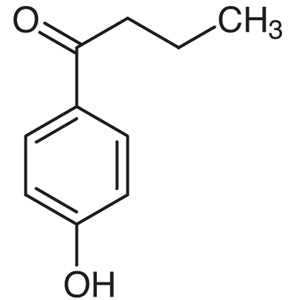
TCI H0903 4'-Hydroxybutyrophenone is an aromatic ketone that carries a phenolic hydroxyl group positioned para to the butanoyl chain. The combination of a phenol group and an aryl alkyl carbonyl group within a single molecule makes it a widely used starting material in organic synthesis, particularly for constructing functionalised aromatic ring frameworks. In the laboratory, this compound serves as an entry point toward a broad range of ether, ester and secondary alcohol derivatives, as well as heterocyclic systems built from an acylated phenol skeleton.
The property that most often drives its selection is its dual, mutually complementary reactivity. The phenolic hydroxyl group is readily alkylated or acylated to install side chains, while the carbonyl group can be reduced to a secondary alcohol, converted into oximes or hydrazones, and used as a starting point for aldol condensations and organometallic reactions. The propyl chain of the butyroyl group imparts moderate lipophilic character, a feature researchers frequently exploit when tuning the physicochemical properties of a target molecule. The 4-hydroxyaryl ketone framework itself is commonly encountered in active compounds, making this material a practical bridge toward structural analogues.
In Indonesian laboratories, 4'-Hydroxybutyrophenone is typically handled in university research groups, medicinal chemistry and natural product laboratories, and industrial R&D units that carry out multi-step synthesis. It is most often used at bench scale for building block work, where a small quantity supports the preparation of derivative series for subsequent structural study. Supplied by AMI Scientific under the TCI brand, it fits routine synthetic workflows supported by standard chromatography and spectroscopic characterisation facilities.
Related TCI products
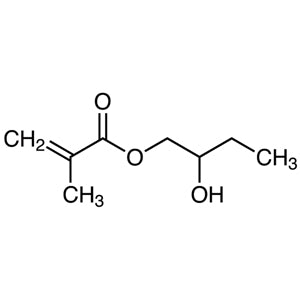
- TCI H1714 13159-51-8 2-Hydroxybutyl Methacrylate (mixture of isomers) (stabilized with MEHQ)
- TCI H0231 150-83-4 Sodium DL-3-Hydroxybutyrate
- TCI B0769 495-40-9 Butyrophenone
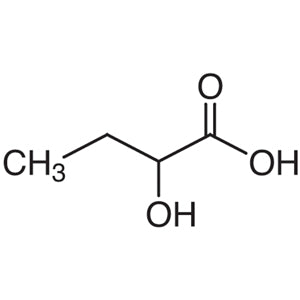
- TCI H0227 600-15-7 DL-2-Hydroxybutyric Acid (contains Polymolecular esterification product)
- TCI H0371 1083-57-4 3-Hydroxy-p-butyrophenetidine
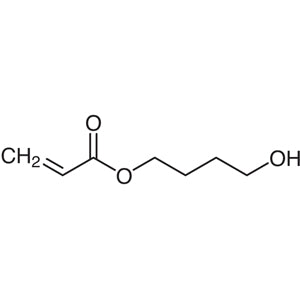
- TCI A1390 2478-10-6 4-Hydroxybutyl Acrylate (stabilized with MEHQ)
- Building block synthesis: the compound provides two independently addressable reactive sites, allowing chemists to elaborate the aromatic core stepwise without resorting to additional protecting group strategies at every stage.
- Ether and ester derivative preparation: the phenolic hydroxyl group is readily alkylated or acylated, making it a straightforward substrate for generating libraries of side chain variants from one common precursor.
- Carbonyl transformation studies: the aryl alkyl ketone can be reduced to a secondary alcohol or converted into oximes and hydrazones, supporting teaching and research work on classical carbonyl chemistry.
- Heterocyclic system construction: the acylated phenol framework serves as a practical starting material for building heterocyclic scaffolds that require an adjacent hydroxyl and carbonyl arrangement.
- Structure-activity analogue work: because the 4-hydroxyaryl ketone motif appears in many active compounds, this material offers a convenient route toward structural analogues for comparative laboratory evaluation.
| Brand | TCI (Tokyo Chemical Industry) |
|---|---|
| CAS number | 1009-11-6 |
| Molecular formula | — |
| Purity | — |
| Category | Chemistry > Building Blocks > Non-Heterocyclic Building Blocks |
| Pack sizes | available in standard laboratory research pack sizes; please refer to the catalogue listing for the options currently offered |
| Physical form | — |
| Storage | — |
- Product code: H0903
- Chemical name: 4'-Hydroxybutyrophenone
Store the container in a cool, dry and well ventilated area, away from direct sunlight, heat sources and incompatible materials such as strong oxidising agents. Keep the product in its original tightly closed container, or transfer it to a clean amber glass bottle with a chemically resistant closure, to limit exposure to moisture and light. Always handle the material inside a fume hood while wearing safety goggles, gloves and a laboratory coat, and avoid generating or inhaling dust during weighing. Allow a chilled container to reach room temperature before opening to prevent condensation, label all working containers clearly, and consult the manufacturer's safety data sheet before first use and before disposal of any residues.
—
Produk Terkait
-
2-HydroxybutylMethacrylate(mixtureofisomers)(stabilizedwithMEHQ) TCI H1714
Regular price From Rp 743.400,00Regular price -
SodiumDL-3-Hydroxybutyrate TCI H0231
Regular price Rp 2.862.300,00Regular price -
Butyrophenone TCI B0769
Regular price From Rp 689.850,00Regular price -
DL-2-HydroxybutyricAcid(containsPolymolecularesterificationproduct) TCI H0227
Regular price Rp 4.213.650,00Regular price -
3-Hydroxy-p-butyrophenetidine TCI H0371
Regular price Rp 795.900,00Regular price -
4-HydroxybutylAcrylate(stabilizedwithMEHQ) TCI A1390
Regular price From Rp 557.550,00Regular price -
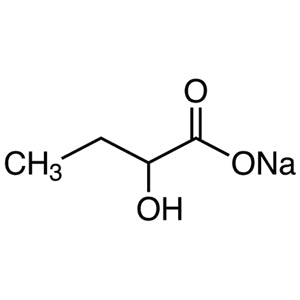
SodiumDL-2-Hydroxybutyrate TCI H0387
Regular price From Rp 2.279.550,00Regular price -
EthylDL-3-Hydroxybutyrate TCI H0230
Regular price From Rp 1.008.000,00Regular price