3-Hydroxy-p-butyrophenetidine is a chemical compound widely used in laboratory settings for constructing complex molecular structures. As a building block in organic chemistry, it serves as a fundamental component for the synthesis of various organic compounds. Its versatility makes it a valuable tool for researchers aiming to develop new chemical entities with specific functional groups. This compound is particularly useful in synthetic pathways where precise molecular manipulation is required.
The compound's simple yet flexible structure allows it to interact effectively with a range of functional groups, enhancing its utility in chemical reactions. It is stable under specific conditions and reacts readily with targeted reagents, making it a reliable choice for laboratory applications. Its solid form and ease of handling contribute to its practicality in experimental setups. These properties ensure that it remains a preferred option for organic chemists working in both academic and industrial environments.
In Indonesian laboratories, 3-Hydroxy-p-butyrophenetidine is commonly used in organic chemistry research, especially in the synthesis of compounds with pharmaceutical or industrial applications. It is a standard reagent in research institutions and universities, where its reliability and ease of use support high-precision experiments. Its availability and consistent performance make it an essential material for advancing chemical research in the region.
Related TCI products
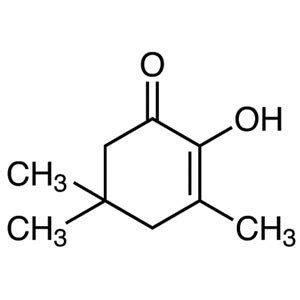
- TCI T2723 4883-60-7 2-Hydroxy-3,5,5-trimethyl-2-cyclohexen-1-one
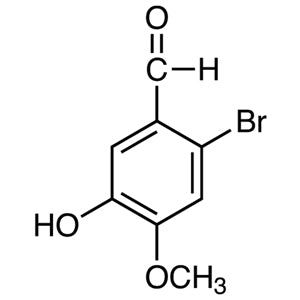
- TCI B4681 2973-59-3 2-Bromo-5-hydroxy-4-methoxybenzaldehyde
- TCI B3229 2208-15-3 4-Bromo-3-hydroxy-2-naphthoic Acid
- TCI B3180 1779-11-9 7-Bromo-3-hydroxy-2-naphthoic Acid
- TCI M3737 567-61-3 2-Hydroxy-6-methylbenzoic Acid
- TCI M2806 884-35-5 Methyl 4-Hydroxy-3,5-dimethoxybenzoate
- Synthesis of pharmacological compounds requiring complex molecular structures due to its ability to form stable intermediates in organic reactions.
- Organic chemistry research where precise functional group manipulation is essential for creating new chemical entities.
- Development of industrial chemicals that rely on flexible molecular frameworks for tailored properties.
- Academic experiments in universities focusing on chemical synthesis and molecular design.
- Pharmaceutical research aiming to produce compounds with specific therapeutic applications through controlled chemical reactions.
| Brand | TCI |
|---|---|
| CAS number | 1083-57-4 |
| Molecular formula | — |
| Purity | — |
| Category | Chemistry > Building Blocks > Non-Heterocyclic Building Blocks |
| Pack sizes | Available in various quantities as per standard laboratory supply |
| Physical form | Solid |
| Storage | Store in a cool, dry place away from direct sunlight and moisture |
This compound should be stored in a cool, dry environment to maintain its stability and prevent degradation. It is recommended to keep it in a sealed container to avoid exposure to moisture and air, which may affect its reactivity. Proper labeling of storage containers is essential for safety and traceability. In laboratory settings, it should be handled with care using appropriate personal protective equipment. Regular inspection of storage conditions ensures that the compound remains in optimal condition for use in experiments. Avoid contact with incompatible substances to prevent unwanted chemical reactions.
—
Produk Terkait
-
2-Hydroxy-3,5,5-trimethyl-2-cyclohexen-1-one TCI T2723
Regular price Rp 1.273.650,00Regular price -
2-Bromo-5-hydroxy-4-methoxybenzaldehyde TCI B4681
Regular price Rp 4.293.450,00Regular price -
4-Bromo-3-hydroxy-2-naphthoicAcid TCI B3229
Regular price From Rp 2.174.550,00Regular price -
7-Bromo-3-hydroxy-2-naphthoicAcid TCI B3180
Regular price From Rp 769.650,00Regular price -
2-Hydroxy-6-methylbenzoicAcid TCI M3737
Regular price From Rp 2.332.050,00Regular price -
Methyl4-Hydroxy-3,5-dimethoxybenzoate TCI M2806
Regular price From Rp 1.193.850,00Regular price -
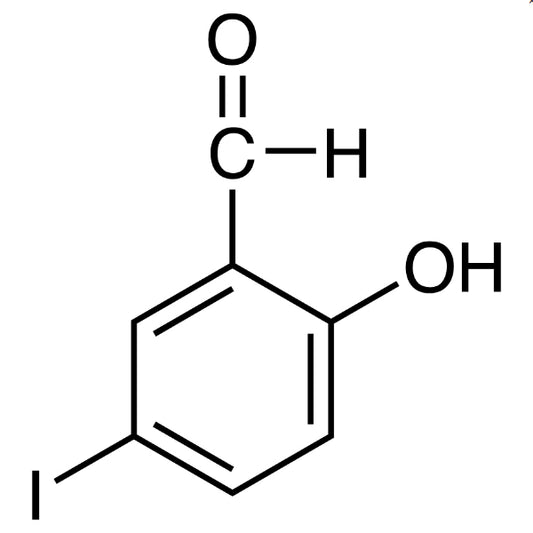
2-Hydroxy-5-iodobenzaldehyde TCI I1175
Regular price From Rp 903.000,00Regular price -
3-Hydroxy-2,2,4-trimethylpentylIsobutyrate(containsca40%2,2,4-Trimethyl-1,3-pentanediol3-Monoisobutyrate) TCI I0405
Regular price From Rp 505.050,00Regular price