Sodium DL-2-Hydroxybutyrate is a chemical compound widely used in laboratory settings for its versatility in chemical and pharmacological research. As a non-heterocyclic building block, it serves as a foundational molecule in the synthesis of various organic compounds. Its presence in chemical experiments allows researchers to explore molecular structures and reactivity, making it a key component in both academic and industrial laboratories. This compound is particularly valuable for its ability to participate in multiple chemical reactions, including esterification, hydrolysis, and substitution, which are essential in organic synthesis processes.
The chemical properties of Sodium DL-2-Hydroxybutyrate make it a preferred choice for laboratory applications. Its stability under various reaction conditions ensures consistent results in experiments. The presence of the sodium ion enhances its solubility in polar solvents, simplifying the preparation of solutions for experiments. Additionally, its non-heterocyclic nature allows for easier manipulation in chemical reactions, reducing the complexity of synthetic pathways. These characteristics make it a reliable and efficient reagent for researchers working in diverse fields.
In Indonesian laboratories, Sodium DL-2-Hydroxybutyrate is commonly used in scientific research across chemistry, pharmacy, and biochemistry. It is a popular choice due to its availability and reliability in supporting a wide range of experimental needs. Its role in molecular synthesis and reactivity studies makes it an essential material for both educational and research purposes. The compound's stability and solubility further contribute to its practicality in laboratory settings.
Related TCI products
- TCI H0231 150-83-4 Sodium DL-3-Hydroxybutyrate
- TCI H0230 5405-41-4 Ethyl DL-3-Hydroxybutyrate
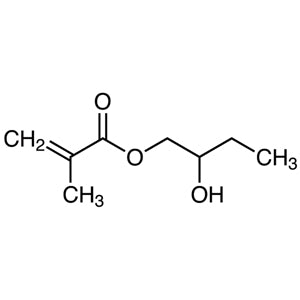
- TCI H1714 13159-51-8 2-Hydroxybutyl Methacrylate (mixture of isomers) (stabilized with MEHQ)
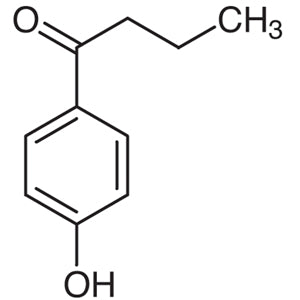
- TCI H0903 1009-11-6 4'-Hydroxybutyrophenone
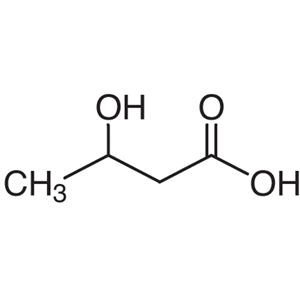
- TCI H0228 300-85-6 DL-3-Hydroxybutyric Acid (contains Polymolecular esterification product)
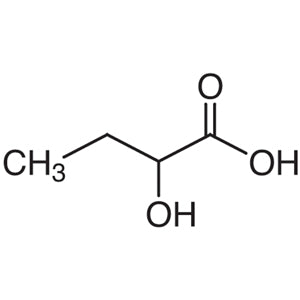
- TCI H0227 600-15-7 DL-2-Hydroxybutyric Acid (contains Polymolecular esterification product)
- Chemical synthesis of organic compounds due to its role as a non-heterocyclic building block.
- Pharmacological research for studying metabolic pathways and drug interactions.
- Biochemical experiments involving molecular structure analysis and reactivity studies.
- Educational purposes in teaching organic chemistry and reaction mechanisms.
- Industrial applications in the development of new chemical products and formulations.
| Brand | TCI |
|---|---|
| CAS number | 5094-24-6 |
| Molecular formula | — |
| Purity | — |
| Category | Chemistry > Building Blocks > Non-Heterocyclic Building Blocks |
| Pack sizes | Available in various quantities as per supplier specifications |
| Physical form | Solid powder |
| Storage | Store in a cool, dry place away from moisture and direct sunlight |
Sodium DL-2-Hydroxybutyrate should be stored in a cool, dry place to maintain its chemical stability. It is recommended to keep the compound in airtight containers to prevent moisture absorption, which could affect its solubility and reactivity. Due to its solubility in polar solvents, it should be handled with care to avoid contamination. Laboratory personnel should wear appropriate personal protective equipment, such as gloves and safety goggles, when handling the compound. It should be stored away from incompatible materials to ensure safety. Proper labeling and storage conditions are essential to maintain the integrity of the compound for experimental use.
—
Produk Terkait
-
SodiumDL-3-Hydroxybutyrate TCI H0231
Regular price Rp 2.914.800,00Regular priceRp 2.053.800,00Sale price Rp 2.914.800,00 -
EthylDL-3-Hydroxybutyrate TCI H0230
Regular price From Rp 1.060.500,00Regular priceRp 757.050,00Sale price From Rp 1.060.500,00 -
2-HydroxybutylMethacrylate(mixtureofisomers)(stabilizedwithMEHQ) TCI H1714
Regular price From Rp 743.400,00Regular priceRp 519.750,00Sale price From Rp 743.400,00 -
4'-Hydroxybutyrophenone TCI H0903
Regular price Rp 2.252.250,00Regular priceRp 1.590.750,00Sale price Rp 2.252.250,00 -
DL-3-HydroxybutyricAcid(containsPolymolecularesterificationproduct) TCI H0228
Regular price From Rp 1.881.600,00Regular priceRp 1.331.400,00Sale price From Rp 1.881.600,00 -
DL-2-HydroxybutyricAcid(containsPolymolecularesterificationproduct) TCI H0227
Regular price Rp 4.266.150,00Regular priceRp 2.998.800,00Sale price Rp 4.266.150,00 -
EthylDL-3-Acetoxybutyrate TCI A0831
Regular price From Rp 1.167.600,00Regular priceRp 831.600,00Sale price From Rp 1.167.600,00