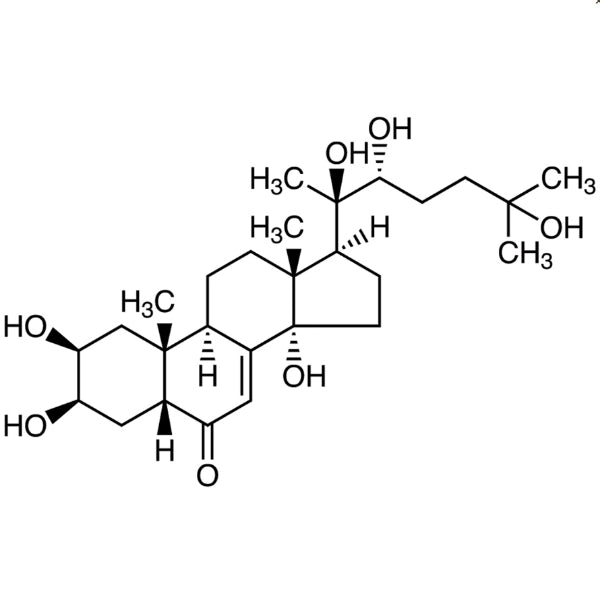
20-Hydroxyecdysone is a steroid compound widely used in life science research, particularly in biochemical and reagent applications. It plays a crucial role in studying the physiological mechanisms of growth, metamorphosis, and developmental responses in various organisms. This compound is naturally found in the hemolymph of many insect species, making it a key player in understanding hormonal regulation and biological interactions. Its presence in research settings allows scientists to explore the molecular pathways that govern biological processes in both invertebrates and vertebrates.
The chemical properties of 20-Hydroxyecdysone make it a preferred choice for laboratory use. It exhibits stability in organic solvents such as ethyl acetate and acetone, which facilitates its use in a wide range of experimental protocols. Its ability to interact with specific cell receptors enables its application in biochemical assays and receptor-binding studies. Additionally, its availability in pure form and controlled concentrations ensures consistency and reliability in research outcomes, making it an essential tool for precision-based experiments.
In Indonesian laboratories, 20-Hydroxyecdysone is commonly utilized in molecular biology, pharmacology, and ecological studies. Its role in investigating hormonal effects and biological responses makes it a valuable resource for researchers working on insect physiology, developmental biology, and environmental toxicology. The compound's versatility and reliability have solidified its position as a key reagent in both academic and applied research settings across the country.
- Molecular biology research benefits from 20-Hydroxyecdysone as it helps in studying gene expression and developmental signaling pathways in organisms.
- Pharmacological studies utilize this compound to investigate its effects on cellular processes and potential therapeutic applications in disease models.
- Ecological research employs 20-Hydroxyecdysone to understand the physiological responses of insect populations to environmental stressors and chemical exposure.
- Biochemical assays use this steroid to explore receptor interactions and signaling mechanisms in various biological systems.
- Developmental biology experiments rely on 20-Hydroxyecdysone to examine the role of ecdysteroids in metamorphosis and growth regulation in model organisms.
| Brand | TCI |
|---|---|
| CAS number | 5289-74-7 |
| Molecular formula | — |
| Purity | — |
| Category | Life Science > Biochemicals and Reagents > Steroids |
| Pack sizes | Available in various quantities as per supplier specifications |
| Physical form | Solid powder |
| Storage | Store in a cool, dry place away from light and moisture |
20-Hydroxyecdysone should be stored in a cool, dry environment, away from direct light and moisture to maintain its chemical stability. It is recommended to use airtight containers made of glass or high-density polyethylene to prevent contamination and degradation. Due to its potential reactivity with certain materials, it is important to handle it with care and avoid exposure to incompatible substances. In laboratory settings, proper personal protective equipment should be worn when handling this compound to ensure safety. Regular monitoring of storage conditions is advised to ensure the integrity of the material remains consistent for reliable experimental results.
—
Produk Terkait
-
TCI B5774 5,10-Bis(4,4,5,5-tetramethyl-1,3,2-dioxaborolan-2-yl)naphtho[1,2-c:5,6-c']bis([1,2,5]oxadiazole)
Regular price Rp 10.255.350,00Regular price -
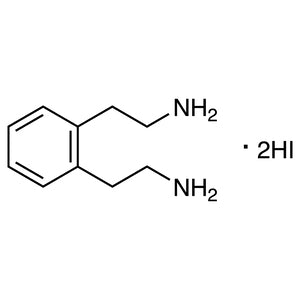
Dihydroiodide TCI B6569
Regular price From Rp 1.936.200,00Regular price -
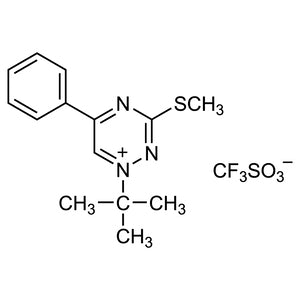
Trifluoromethanesulfonate TCI B7003
Regular price From Rp 1.936.200,00Regular price
![5,10-Bis(4,4,5,5-tetramethyl-1,3,2-dioxaborolan-2-yl)naphtho[1,2-c:5,6-c']bis([1,2,5]oxadiazole) - TCI B5774 - AMI Scientific](http://amiscientific.com/cdn/shop/files/TCI2510B5774.jpg?v=1769180228&width=533)