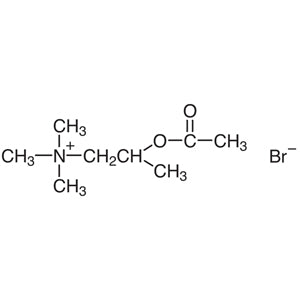
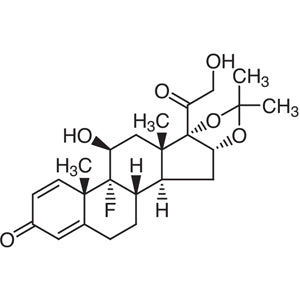
Rocuronium Bromide is a chemical compound widely used in pharmaceutical research and pharmacological studies. As a neuromuscular blocking agent, it plays a crucial role in experimental settings where the effects of drugs on the neuromuscular system are investigated. This compound is essential for understanding how certain medications influence muscle response and nerve transmission. Its application in laboratory research is extensive, particularly in studies related to drug mechanisms and therapeutic effects.
The chemical properties of Rocuronium Bromide make it a preferred choice for researchers. It exhibits stability and solubility in organic solvents, which facilitates its use in various analytical methods and experimental procedures. These characteristics ensure consistent results and ease of handling in laboratory environments. Additionally, its non-toxic nature under specific conditions enhances its safety profile, making it suitable for experiments requiring precision and reliability.
In Indonesian laboratories, Rocuronium Bromide is commonly utilized in pharmaceutical and health-related research. It is frequently found in laboratories focused on drug development and pharmacological testing. Its availability in solid form and ease of solution preparation make it a practical choice for researchers. This compound supports the advancement of medical science and the evaluation of new therapeutic agents.
TCI brochures (PDF)
- Neurotransmission Research Reagents 2026-07-17 · p. 1
- Steroids 2026-07-28 · p. 8
- Pharmaceutical Ingredients for Research and Experimental Use 2026-03-09 · p. 30
- Pharmaceutical Research: Rocuronium Bromide is used to study drug effects on neuromuscular systems, aiding in the development of new therapeutic agents.
- Pharmacological Testing: It enables researchers to analyze how drugs influence muscle and nerve interactions, supporting drug efficacy studies.
- Toxicological Studies: The compound helps assess the safety and potential side effects of pharmaceutical compounds in controlled environments.
- Drug Mechanism Analysis: It is employed to explore the molecular and physiological mechanisms of neuromuscular blocking agents.
- Experimental Neurophysiology: Researchers use it to investigate nerve-muscle interactions and the impact of chemical agents on neuromuscular function.
| Brand | TCI |
|---|---|
| CAS number | 119302-91-9 |
| Molecular formula | — |
| Purity | — |
| Category | Life Science > Biochemicals and Reagents > Pharmaceutical Research Reagents |
| Pack sizes | Available in various sizes as per supplier specifications |
| Physical form | Solid |
| Storage | Store in a cool, dry place away from direct sunlight |
Rocuronium Bromide should be stored in a cool, dry place, away from direct sunlight and moisture. It is recommended to keep the compound in a tightly sealed container to prevent contamination and maintain its chemical stability. When handling, researchers should use appropriate personal protective equipment, such as gloves and safety goggles, to ensure safety. The compound is non-toxic under specific conditions, but standard laboratory safety protocols should still be followed. It is important to avoid exposure to incompatible substances and to ensure proper ventilation in the workspace. Proper storage and handling practices help maintain the integrity and effectiveness of the compound in experimental applications.
—
Product Categories
- Biochemicals and ReagentsPharmaceutical Research Reagents (for Experimental Use)Neurotransmitter Agent Ingredients (for Research and Experimental Use)
- Biochemicals and ReagentsSteroidsSteroids (Others)
- Cell BiologyCell Signaling and NeuroscienceCytokines, Growth Factors and Hormones
- Cell BiologyCell Signaling and NeuroscienceNeuroscience
- Pharmaceutical Development and Drug Discovery ResearchPharmaceutical Research Reagents (for Experimental Use)Neurotransmitter Agent Ingredients (for Research and Experimental Use)
Produk Terkait
-
ScopolamineMethylBromide TCI S0231
Regular price Rp 3.048.150,00Regular priceRp 2.147.250,00Sale price Rp 3.048.150,00 -
PyridostigmineBromide TCI P1339
Regular price From Rp 4.266.150,00Regular priceRp 2.998.800,00Sale price From Rp 4.266.150,00 -
MethacholineBromide TCI M0072
Regular price From Rp 1.618.050,00Regular priceRp 1.146.600,00Sale price From Rp 1.618.050,00 -
DecamethoniumBromide TCI D1314
Regular price From Rp 2.306.850,00Regular priceRp 1.628.550,00Sale price From Rp 2.306.850,00 -
TriamcinoloneAcetonide TCI T2308
Regular price From Rp 1.431.150,00Regular priceRp 1.016.400,00Sale price From Rp 1.431.150,00 -
Triamcinolone TCI T2303
Regular price Rp 3.815.700,00Regular priceRp 2.683.800,00Sale price Rp 3.815.700,00 -
BeclometasoneDipropionate TCI B4464
Regular price From Rp 2.411.850,00Regular priceRp 1.702.050,00Sale price From Rp 2.411.850,00 -
BetamethasoneValerate TCI B4157
Regular price From Rp 1.405.950,00Regular priceRp 998.550,00Sale price From Rp 1.405.950,00