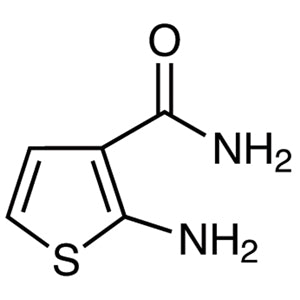
3-Hydroxypyrazine-2-carboxamide is a versatile organic compound widely used in laboratory settings for its role in synthetic chemistry. As a heterocyclic building block, it serves as a key intermediate in the synthesis of complex organic molecules. Its structural characteristics make it an essential tool for researchers aiming to develop new compounds with specific functional properties. This compound is particularly valuable in the creation of pharmaceuticals, industrial chemicals, and functional materials due to its reactivity and compatibility with various synthetic pathways.
The compound’s unique properties, including its solubility in organic solvents and its ability to participate in substitution, coupling, and ring-forming reactions, make it a preferred choice for chemists. Its stable chemical nature under controlled conditions ensures reliable performance during experiments, reducing the risk of unwanted side reactions. These characteristics contribute to its widespread use in both academic and industrial research environments.
In Indonesian laboratories, 3-Hydroxypyrazine-2-carboxamide is commonly utilized in pure and applied chemical research. It is a staple in university laboratories and research institutions, where it is employed to explore the synthesis of heterocyclic compounds. The availability of this compound through AMI Scientific supports ongoing scientific investigations and educational activities in the field of organic chemistry.
Advantages (TCI brochure)
- Viral RNA polymerase inhibitor
- Structural analog of favipiravir
TCI brochures (PDF)
- Antiviral Agents Targeting RNA-Dependent RNA Polymerase (RdRp) 2025-11-25 · p. 1
- Immunology Research Reagents 2026-06-03 · p. 9
- Antimicrobials and Antitumor Agents for Research and Experimental Use 2025-04-24 · p. 12
- Pharmaceutical Ingredients for Research and Experimental Use 2026-03-09 · p. 13
Related TCI products
- TCI F1296 259793-96-9 Favipiravir
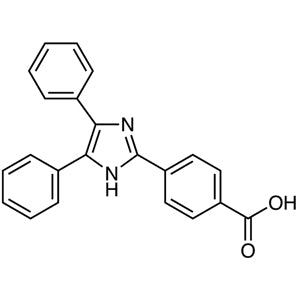
- TCI D2816 5496-35-5 4-(4,5-Diphenyl-1H-imidazol-2-yl)benzoic Acid
- TCI H1580 6270-63-9 2-Hydroxypyrazine
- TCI T2402 3641-08-5 1,2,4-Triazole-3-carboxamide
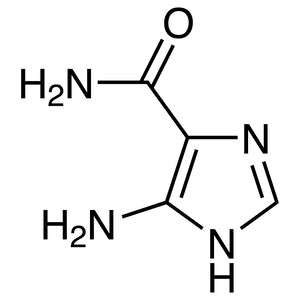
- TCI A3078 360-97-4 5-Amino-1H-imidazole-4-carboxamide
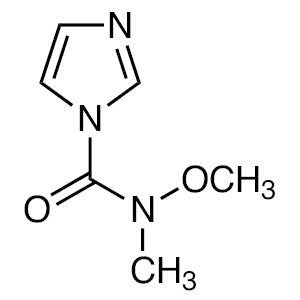
- TCI M2558 862873-06-1 N-Methoxy-N-methyl-1H-imidazole-1-carboxamide
- Organic synthesis research benefits from this compound due to its reactivity in forming heterocyclic structures and its compatibility with various synthetic methods.
- Pharmaceutical development utilizes 3-Hydroxypyrazine-2-carboxamide for the creation of new drug molecules with targeted biological activities.
- Industrial chemical production relies on this compound for the synthesis of functional materials and specialty chemicals with specific properties.
- Academic research in chemical sciences employs it to study reaction mechanisms and the behavior of heterocyclic compounds under different conditions.
- Analytical chemistry applications use it as a reference standard for the identification and quantification of similar compounds in complex mixtures.
From the TCI brochure
- Research on antiviral activity against RNA viruses
| Brand | TCI |
|---|---|
| CAS number | 55321-99-8 |
| Molecular formula | — |
| Purity | — |
| Category | Chemistry > Building Blocks > Heterocyclic Building Blocks |
| Pack sizes | Available in standard laboratory quantities |
| Physical form | Solid powder |
| Storage | Store in a cool, dry place away from direct sunlight |
3-Hydroxypyrazine-2-carboxamide should be stored in a cool, dry environment to maintain its chemical stability. It is recommended to keep the compound in a tightly sealed container to prevent moisture absorption and contamination. Due to its organic nature, it is best stored in glass or high-density polyethylene containers to ensure compatibility and prevent degradation. Laboratory personnel should handle the compound with care, using appropriate personal protective equipment when necessary. The compound is generally stable under normal laboratory conditions, making it suitable for routine use in chemical synthesis and research applications. Proper storage and handling practices help ensure the compound remains effective and safe for use in various experimental settings.
References cited in the TCI brochure
- Yousuke Furuta. T-705 (favipiravir) and related compounds: Novel broad-spectrum inhibitors of RNA viral infections Antiviral Research, 2009. doi:10.1016/j.antiviral.2009.02.198
- Sangita Venkataraman. RNA Dependent RNA Polymerases: Insights from Structure, Function and Evolution Viruses, 2018. doi:10.3390/v10020076
Product Categories
- Biochemicals and ReagentsAntibioticsAntibiotics (by Application)
- Biochemicals and ReagentsPharmaceutical Research Reagents (for Experimental Use)Antiviral Research Reagents (for Experimental Use)
- MicrobiologyAntibioticsAntibiotics (by Application)
- Pharmaceutical Development and Drug Discovery ResearchPharmaceutical Research Reagents (for Experimental Use)Antiviral Research Reagents (for Experimental Use)
- Pharmaceutical Development and Drug Discovery ResearchAntibioticsAntibiotics (by Application)
Produk Terkait
-
Favipiravir TCI F1296
Regular price From Rp 3.870.300,00Regular price -
4-(4,5-Diphenyl-1H-imidazol-2-yl)benzoicAcid TCI D2816
Regular price From Rp 1.353.450,00Regular price -
2-Hydroxypyrazine TCI H1580
Regular price Rp 1.485.750,00Regular price -
1,2,4-Triazole-3-carboxamide TCI T2402
Regular price From Rp 2.094.750,00Regular price -
5-Amino-1H-imidazole-4-carboxamide TCI A3078
Regular price From Rp 1.618.050,00Regular price -
N-Methoxy-N-methyl-1H-imidazole-1-carboxamide TCI M2558
Regular price Rp 1.273.650,00Regular price -
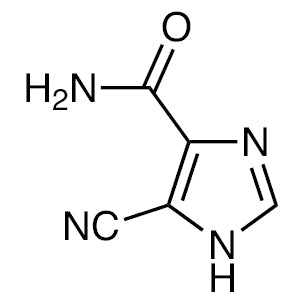
5-Cyano-1H-imidazole-4-carboxamide TCI C1338
Regular price From Rp 875.700,00Regular price -
2-Aminothiophene-3-carboxamide TCI A3165
Regular price From Rp 689.850,00Regular price