3-Hydroxybenzophenone is a versatile chemical compound widely used in organic reactions and the synthesis of complex molecules. As a key building block in chemical synthesis, it serves as a foundational material for the creation of more intricate compounds. Its role in the laboratory is essential, particularly in substitution, oxidation, and condensation reactions. This compound is valued for its stability and reactivity, making it a reliable choice for researchers aiming to develop new chemical structures.
The compound’s aromatic structure contributes to its chemical and physical consistency, ensuring predictable performance in various experimental conditions. It dissolves well in organic solvents such as ethyl acetate and acetone, which enhances its usability in a range of synthetic processes. Its thermal stability allows it to remain effective under different laboratory conditions, making it a preferred material for both academic and industrial research.
In Indonesian laboratories, 3-Hydroxybenzophenone is commonly used in organic chemistry research, especially in pharmaceutical and material science applications. Its availability in the local market makes it a practical choice for researchers and students. It plays a crucial role in the development of new compounds with potential applications in medicine and industry, supporting innovation in scientific studies.
- Organic synthesis is a primary application where 3-Hydroxybenenzone is used to build complex molecular structures due to its reactivity and stability.
- Pharmaceutical research benefits from this compound as it is often used in the development of new drug molecules with specific functional groups.
- Material science applications rely on its ability to participate in condensation and oxidation reactions, aiding in the creation of advanced polymers and coatings.
- Analytical chemistry uses it as a standard reference material for spectroscopic and chromatographic analyses due to its well-defined chemical properties.
- Environmental studies may incorporate it in the synthesis of compounds used to monitor and analyze pollutants in various matrices.
| Brand | TCI |
|---|---|
| CAS number | 13020-57-0 |
| Molecular formula | — |
| Purity | — |
| Category | Chemistry > Building Blocks > Non-Heterocyclic Building Blocks |
| Pack sizes | Available in various quantities as per standard laboratory requirements |
| Physical form | Solid |
| Storage | Store in a cool, dry place away from direct sunlight and moisture |
3-Hydroxybenzophenone should be stored in a cool, dry environment to maintain its chemical integrity. It is recommended to keep it in a sealed container to prevent exposure to moisture and air. The compound is generally stable under normal laboratory conditions but should be handled with care to avoid contamination. Suitable containers include glass or plastic vessels with airtight seals. Laboratory personnel should follow standard safety protocols when handling this material, including proper ventilation and personal protective equipment. Regular monitoring of storage conditions ensures the compound remains effective for use in research and development activities.
—
Produk Terkait
-
TCI B5774 5,10-Bis(4,4,5,5-tetramethyl-1,3,2-dioxaborolan-2-yl)naphtho[1,2-c:5,6-c']bis([1,2,5]oxadiazole)
Regular price Rp 10.255.350,00Regular price -
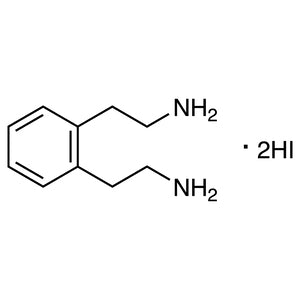
Dihydroiodide TCI B6569
Regular price From Rp 1.936.200,00Regular price -
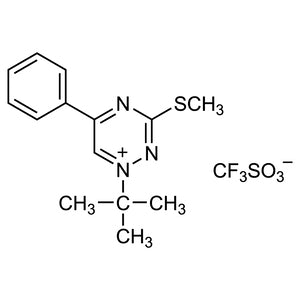
Trifluoromethanesulfonate TCI B7003
Regular price From Rp 1.936.200,00Regular price
![5,10-Bis(4,4,5,5-tetramethyl-1,3,2-dioxaborolan-2-yl)naphtho[1,2-c:5,6-c']bis([1,2,5]oxadiazole) - TCI B5774 - AMI Scientific](http://amiscientific.com/cdn/shop/files/TCI2510B5774.jpg?v=1769180228&width=533)