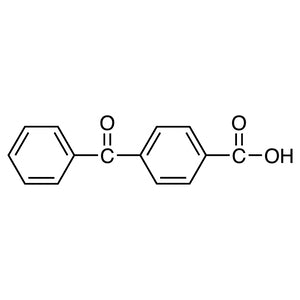
Anisoin, with CAS number 119-52-8, is a chemical compound widely used in various laboratory reactions. It serves as a fundamental building block in organic synthesis, offering simplicity and versatility in chemical processes. This compound is essential for the preparation of heterocyclic and aromatic compounds, making it a valuable resource in synthetic chemistry. Its role in laboratory settings extends beyond mere reactivity, as it supports the creation of complex molecular structures through its chemical stability and compatibility with a wide range of reagents.
Anisoin is preferred due to its chemical stability under specific conditions, which minimizes degradation during reactions. Its ability to form stable bonds with other compounds enhances its utility in diverse synthetic pathways. The compound’s non-reactive nature also contributes to its safety profile, making it a reliable choice for laboratory experiments. These properties ensure that Anisoin remains a consistent and effective tool for researchers aiming to develop new chemical compounds and pharmaceuticals.
In Indonesian laboratories, Anisoin is commonly used in scientific research, particularly in organic chemistry and pharmaceutical studies. It plays a crucial role in the synthesis of new compounds with potential applications in drug development and industrial chemistry. The availability of Anisoin supports ongoing research efforts, ensuring that scientists have access to a reliable and essential chemical for their experiments.
TCI brochures (PDF)
- Polymerization Initiators 2025-09-17 · p. 4
- Biomaterials Research Reagents 2025-02-19 · p. 25
- Organic synthesis applications benefit from Anisoin's role in constructing complex molecular frameworks, supporting the development of new pharmaceutical compounds.
- Heterocyclic compound preparation relies on Anisoin's structural compatibility, enabling efficient synthesis of ring-based molecules.
- Aromatic compound synthesis utilizes Anisoin's stability and reactivity, allowing for controlled chemical transformations in laboratory settings.
- Research in pharmaceutical development uses Anisoin as a key intermediate in the creation of drug-related molecules.
- Industrial chemical production incorporates Anisoin for its versatility in creating a wide range of chemical products.
| Brand | TCI |
|---|---|
| CAS number | 119-52-8 |
| Molecular formula | — |
| Purity | — |
| Category | Chemistry > Building Blocks > Non-Heterocyclic Building Blocks |
| Pack sizes | Available in standard laboratory quantities |
| Physical form | Solid |
| Storage | Store in a cool, dry place away from direct sunlight |
Anisoin should be stored in a cool, dry environment to maintain its chemical stability and prevent degradation. It is recommended to keep the compound in a tightly sealed container to minimize exposure to moisture and air. Suitable storage containers include glass or high-density polyethylene vessels, which provide protection against chemical interactions. In laboratory settings, it is important to handle Anisoin with care, ensuring that it is kept away from incompatible substances. Proper labeling of storage containers is essential for safety and traceability. Regular monitoring of storage conditions ensures that the compound remains in optimal condition for use in experiments.
—
Product Categories
Produk Terkait
-
3-Hydroxybenzophenone TCI H1518
Regular price Rp 3.815.700,00Regular priceRp 2.683.800,00Sale price Rp 3.815.700,00 -
4-Hydroxybenzophenone TCI H0222
Regular price From Rp 662.550,00Regular priceRp 478.800,00Sale price From Rp 662.550,00 -
3'-Hydroxyacetophenone TCI A0104
Regular price From Rp 1.113.000,00Regular priceRp 793.800,00Sale price From Rp 1.113.000,00 -
Anthraquinone TCI A0502
Regular price From Rp 477.750,00Regular priceRp 333.900,00Sale price From Rp 477.750,00 -
Methyl2-Benzoylbenzoate TCI B1231
Regular price From Rp 955.500,00Regular priceRp 683.550,00Sale price From Rp 955.500,00 -
4-BenzoylbenzoicAcid TCI B1164
Regular price From Rp 2.041.200,00Regular priceRp 1.442.700,00Sale price From Rp 2.041.200,00 -
MethylBenzoylformate TCI B1033
Regular price From Rp 1.220.100,00Regular priceRp 868.350,00Sale price From Rp 1.220.100,00 -
BenzoinIsopropylEther TCI B0942
Regular price From Rp 557.550,00Regular priceRp 405.300,00Sale price From Rp 557.550,00