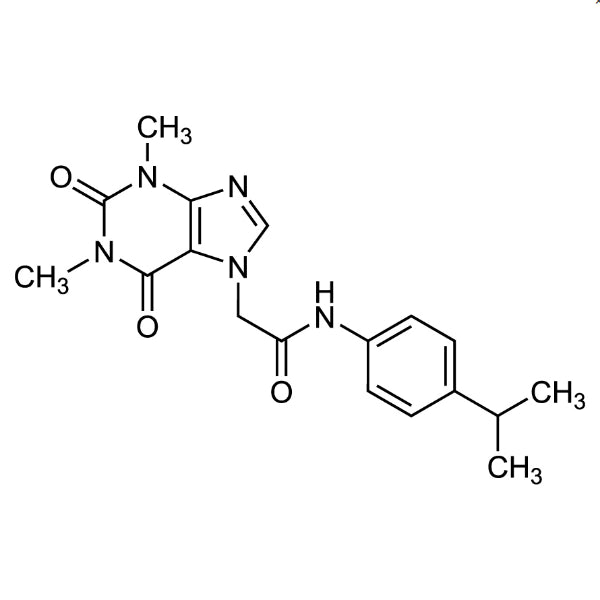
TCI H1900 (HC-030031, CAS 349085-38-7) is a bioactive small molecule widely known as a selective antagonist of the TRPA1 ion channel. TRPA1 is a cation channel belonging to the transient receptor potential family and is abundantly expressed in sensory neurons. This channel plays an important role in sensing irritant chemical stimuli, extreme cold temperatures, and a range of inflammatory mediators, which makes compounds capable of inhibiting it highly valuable pharmacological tools. In the laboratory, this reagent is used to distinguish the contribution of TRPA1 from that of other receptor pathways within an observed cellular response.
The principal value of this compound lies in its selectivity as an inhibitor, which allows researchers to employ it as an instrument of pharmacological dissection. By comparing cellular responses before and after administration of the antagonist, the contribution of the TRPA1 channel can be separated from that of TRPV1 channels or other signalling pathways that may be active at the same time. This ability to isolate a single channel's involvement within a complex response is what makes a selective antagonist preferable to broader, less discriminating blockers in mechanistic work.
As a synthetic small molecule, this compound is generally prepared as a stock solution in an organic solvent such as dimethyl sulfoxide and subsequently diluted into the experimental medium. Its stability as a dry solid makes long-term storage more straightforward compared with protein-based reagents. In Indonesian laboratories, it is typically handled within university research groups, biomedical institutes, and pharmacology units that carry out cell-based work on sensory signalling and inflammatory mediators.
Related TCI products
- TRPA1 pathway dissection in cultured sensory neurons, where the selective antagonist allows the channel's contribution to an observed response to be isolated from parallel pathways.
- Discrimination between TRPA1 and TRPV1 involvement in cellular assays, since comparing responses before and after antagonist addition separates the two channels that are often co-active.
- Investigation of chemical irritant sensing mechanisms, because the compound blocks the channel responsible for detecting irritant chemical stimuli in sensory neuron populations.
- Studies of inflammatory mediator signalling, given that TRPA1 responds to a range of inflammatory mediators and the antagonist reveals which portion of a response depends on it.
- Research into cold stimulus transduction, where inhibition of the channel implicated in sensing extreme cold temperatures clarifies whether TRPA1 mediates the measured cellular effect.
| Brand | TCI |
|---|---|
| CAS number | 349085-38-7 |
| Molecular formula | — |
| Purity | — |
| Category | Life Science > Cell Biology > Bioactive Small Molecules |
| Pack sizes | available in the packaging options offered by the manufacturer for this catalogue item |
| Physical form | dry solid, typically dissolved in an organic solvent such as dimethyl sulfoxide to prepare stock solutions |
| Storage | stable as a dry solid, which supports long-term storage |
- Product code: TCI H1900 (HC-030031)
Store the compound as a dry solid in its original tightly closed container, protected from moisture and kept in a clearly labelled position within the chemical store. Its stability in solid form supports long-term storage compared with protein-based reagents. Stock solutions prepared in dimethyl sulfoxide should be held in sealed, solvent-compatible vials and diluted into experimental medium only when required. Handle the material in a fume hood or a well-ventilated working area, wearing gloves, a laboratory coat, and eye protection. Avoid the generation of dust when weighing, use clean and dry spatulas to prevent contamination of the stock, and consult the manufacturer's safety data sheet before first use.
—
Produk Terkait
-
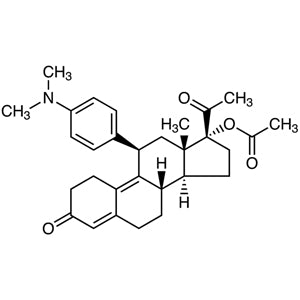
UlipristalAcetate TCI U0102
Regular price From Rp 5.062.050,00Regular price -
STF-62247 TCI T4117
Regular price Rp 6.281.100,00Regular price -
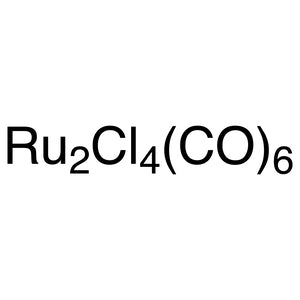
Tricarbonyldichlororuthenium(II)Dimer TCI T3812
Regular price Rp 4.584.300,00Regular price -
N-Benzyl-p-toluenesulfonamide TCI B3082
Regular price From Rp 1.749.300,00Regular price -
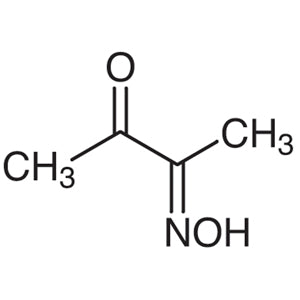
DiacetylMonoxime TCI B0683
Regular price From Rp 1.776.600,00Regular price -
N-(4-Aminobutyl)-2-naphthalenesulfonamideHydrochloride TCI A2408
Regular price From Rp 955.500,00Regular price -
Ro5-3335 TCI R0223
Regular price From Rp 4.823.700,00Regular price -
SR3335 TCI R0214
Regular price From Rp 8.030.400,00Regular price