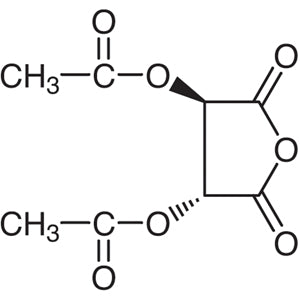
Diacetyl Monoxime (DM), with CAS number 57-71-6, is a chemical compound widely used in laboratory settings for its versatility in organic synthesis. As a building block in chemistry, it plays a crucial role in the development of complex organic molecules. Its simple molecular structure allows for various chemical modifications, making it an essential reagent in synthetic pathways. This compound is particularly valuable in the formation of heterocyclic compounds and other complex structures, which are fundamental in pharmaceutical and industrial chemistry.
DM is favored for its reactivity and compatibility with a wide range of functional groups. It exhibits stability under specific conditions, yet remains highly reactive towards acids, bases, and alkali metals, enabling the formation of new compounds with diverse structures and functions. Its ability to participate in substitution, oxidation, and coupling reactions makes it a preferred choice for researchers aiming to modify organic molecules. The compound’s adaptability to different reaction conditions enhances its utility in both academic and industrial research environments.
In Indonesian laboratories, Diacetyl Monoxime is commonly used in organic chemistry research, particularly in higher education institutions and research centers. It is a key component in the synthesis of compounds needed for drug development and industrial chemical production. Its availability and effectiveness make it a staple in chemical laboratories across Indonesia, supporting ongoing scientific advancements and innovation.
- Organic synthesis reactions where DM is used to form heterocyclic compounds due to its reactivity and structural versatility.
- Substitution reactions in which DM acts as a nucleophile, facilitating the replacement of functional groups in organic molecules.
- Oxidation processes where DM serves as an intermediate, enabling the transformation of aldehydes into carboxylic acids.
- Coupling reactions that require a reactive intermediate, making DM suitable for forming complex organic structures.
- Industrial chemical production where DM is employed to create derivatives used in pharmaceutical and polymer applications.
| Brand | TCI |
|---|---|
| CAS number | 57-71-6 |
| Molecular formula | — |
| Purity | — |
| Category | Chemistry > Building Blocks > Non-Heterocyclic Building Blocks |
| Pack sizes | Available in various quantities as per standard laboratory supply |
| Physical form | Liquid |
| Storage | Store in a cool, dry place away from direct sunlight and incompatible materials |
Diacetyl Monoxime should be stored in a cool, dry place, away from direct sunlight and sources of heat. It is recommended to keep the compound in a sealed container to prevent exposure to air and moisture, which could affect its stability. Suitable containers for storage include glass or high-density polyethylene (HDPE) bottles, which are resistant to chemical degradation. Due to its reactivity with acids, bases, and alkali metals, it should be handled with care, using appropriate personal protective equipment such as gloves and safety goggles. Avoid contact with incompatible substances and ensure proper ventilation in the laboratory to minimize exposure risks. Always follow standard safety protocols when working with reactive chemicals to maintain a safe laboratory environment.
—
Product Categories
Produk Terkait
-
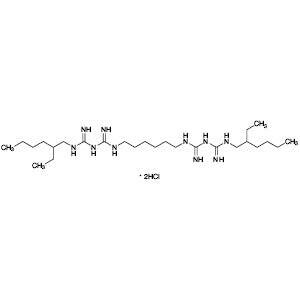
AlexidineDihydrochloride TCI A3389
Regular price From Rp 1.988.700,00Regular priceRp 1.405.950,00Sale price From Rp 1.988.700,00 -
Dapivirine TCI D6168
Regular price Rp 11.022.900,00Regular priceRp 7.723.800,00Sale price Rp 11.022.900,00 -
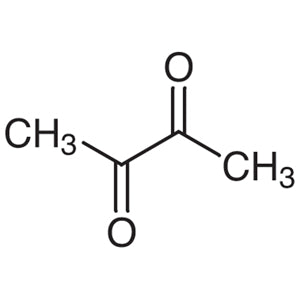
Diacetyl TCI B0682
Regular price From Rp 637.350,00Regular priceRp 445.200,00Sale price From Rp 637.350,00 -
N,N'-Diacetyl-1,4-phenylenediamine TCI D0068
Regular price From Rp 1.246.350,00Regular priceRp 887.250,00Sale price From Rp 1.246.350,00 -
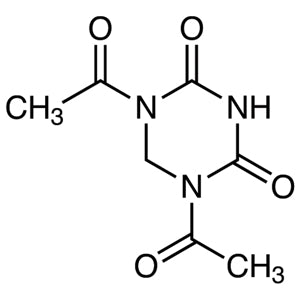
1,5-Diacetyl-1,3,5-triazinane-2,4-dione TCI D5634
Regular price From Rp 2.623.950,00Regular priceRp 1.850.100,00Sale price From Rp 2.623.950,00 -
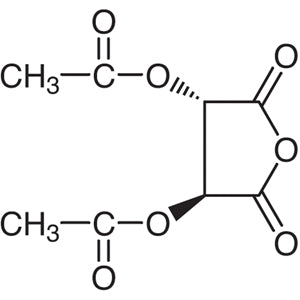
(-)-Diacetyl-D-tartaricAnhydride TCI D2645
Regular price From Rp 743.400,00Regular priceRp 519.750,00Sale price From Rp 743.400,00 -
(+)-Diacetyl-D-tartaricAcid TCI D2636
Regular price Rp 2.625.000,00Regular priceRp 1.835.400,00Sale price Rp 2.625.000,00 -
(+)-Diacetyl-L-tartaricAnhydride TCI D1911
Regular price Rp 1.220.100,00Regular priceRp 852.600,00Sale price Rp 1.220.100,00