Diacetyl (431-03-8) is a chemical compound widely used in laboratory experiments across various scientific disciplines. As a fundamental building block in organic chemistry, it plays a crucial role in the synthesis of complex molecules, particularly in reactions involving carbon-carbon bond formation. Its versatility makes it an essential component in both academic and industrial research settings. Due to its reactivity and chemical stability under controlled conditions, Diacetyl is frequently employed in the development of esters, aldehydes, and heterocyclic compounds.
One of the key attributes that make Diacetyl a preferred choice is its chemical reactivity and compatibility with a wide range of reaction conditions. It can participate in multiple types of organic reactions, including oxidation, reduction, and condensation processes. Additionally, its strong, distinct aroma requires careful handling to prevent exposure. Despite its reactivity, Diacetyl remains a reliable and predictable reagent, making it ideal for experiments that demand precision and reproducibility.
In Indonesian laboratories, Diacetyl is commonly used in chemical research, especially in organic chemistry and the synthesis of complex compounds. Its availability and reliability make it a go-to material for researchers seeking a dependable and widely applicable building block. It is frequently used in both educational and industrial settings, supporting a broad range of experimental needs.
TCI brochures (PDF)
- Organic synthesis reactions benefit from Diacetyl's ability to form carbon-carbon bonds, enabling the creation of complex molecular structures.
- Ester synthesis processes utilize Diacetyl as a key reagent due to its reactivity in condensation reactions with carboxylic acids.
- Aldehyde production in laboratory settings relies on Diacetyl's chemical properties, allowing for controlled oxidation and functional group transformations.
- Heterocyclic compound synthesis requires Diacetyl's participation in ring-forming reactions, contributing to the development of pharmaceutical and industrial compounds.
- Reactivity testing experiments use Diacetyl to assess the behavior of other compounds under various chemical conditions, providing valuable data for research.
| Brand | TCI |
|---|---|
| CAS number | 431-03-8 |
| Molecular formula | — |
| Purity | — |
| Category | Chemistry > Building Blocks > Non-Heterocyclic Building Blocks |
| Pack sizes | Available in various quantities as per standard laboratory requirements |
| Physical form | Liquid |
| Storage | Store in a cool, dry place away from direct sunlight and incompatible materials |
Diacetyl should be stored in a cool, dry environment, away from direct sunlight and sources of heat. It is recommended to use sealed, airtight containers to prevent exposure to air and moisture. Due to its strong aroma and reactivity, proper ventilation is essential in laboratory settings. Avoid contact with incompatible substances such as strong oxidizers or bases. Always wear appropriate personal protective equipment, including gloves and safety goggles, when handling Diacetyl. Ensure that storage areas are well-ventilated and accessible only to authorized personnel to maintain safety standards.
—
Produk Terkait
-
N,N'-Diacetyl-1,4-phenylenediamine TCI D0068
Regular price From Rp 1.246.350,00Regular priceRp 887.250,00Sale price From Rp 1.246.350,00 -
2-Aminobenzamide TCI A0262
Regular price From Rp 1.510.950,00Regular priceRp 1.072.050,00Sale price From Rp 1.510.950,00 -
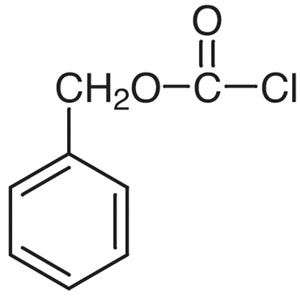
BenzylChloroformate TCI B3021
Regular price From Rp 689.850,00Regular priceRp 497.700,00Sale price From Rp 689.850,00 -
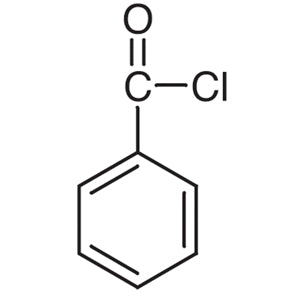
BenzoylChloride TCI B0105
Regular price Rp 557.550,00Regular priceRp 405.300,00Sale price Rp 557.550,00 -
BenzoicAnhydride TCI B0078
Regular price Rp 637.350,00Regular priceRp 460.950,00Sale price Rp 637.350,00 -
AcetoxyacetylChloride TCI A1500
Regular price From Rp 3.207.750,00Regular priceRp 2.258.550,00Sale price From Rp 3.207.750,00 -
p-ToluoylChloride TCI T0311
Regular price From Rp 610.050,00Regular priceRp 442.050,00Sale price From Rp 610.050,00 -
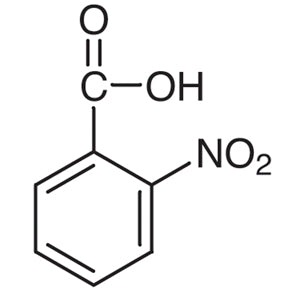
2-NitrobenzoicAcid TCI N0155
Regular price From Rp 848.400,00Regular priceRp 609.000,00Sale price From Rp 848.400,00