Acetoxyacetyl Chloride (TCI A1500), with CAS number 13831-31-7, is a chemical compound widely used in laboratory settings for organic synthesis. It serves as a versatile building block in the creation of complex organic molecules, playing a key role in substitution and addition reactions. This reagent is particularly valuable for its ability to introduce ester or chloro functionalities into target molecules, making it essential for synthetic chemists. Its chemical structure is stable, allowing for controlled and predictable reactions under various conditions.
The compound’s reactivity and compatibility with a range of reagents, such as alcohols, amines, and activating agents, make it a preferred choice in laboratory environments. Its ability to participate in multiple reaction pathways ensures its utility across different synthetic strategies. The chemical’s stability and predictable behavior contribute to the accuracy and consistency of experimental outcomes, which is crucial in research and development settings.
In Indonesian laboratories, Acetoxyacetyl Chloride is extensively used in chemical research, particularly in organic synthesis, qualitative analysis, and pharmaceutical development. Its role in creating specific molecular structures and functionalities makes it an integral part of research projects aimed at developing new compounds or understanding chemical mechanisms. The compound’s reliability and effectiveness have made it a standard reagent in many laboratories across Indonesia.
TCI brochures (PDF)
- Organic synthesis applications benefit from Acetoxyacetyl Chloride’s ability to introduce ester and chloro functionalities, enhancing the versatility of synthetic pathways.
- Qualitative analysis relies on its reactivity with various reagents, allowing for the identification of functional groups in complex compounds.
- Pharmaceutical development utilizes its role in creating specific molecular structures, aiding in the design of new drug compounds.
- Research laboratories use it for its stability and predictable behavior, ensuring consistent results in experimental protocols.
- Analytical chemistry applications leverage its compatibility with multiple reagents, supporting a wide range of chemical investigations.
| Brand | TCI |
|---|---|
| CAS number | 13831-31-7 |
| Molecular formula | — |
| Purity | — |
| Category | Chemistry > Building Blocks > Non-Heterocyclic Building Blocks |
| Pack sizes | Available in standard laboratory quantities |
| Physical form | Liquid |
| Storage | Store in a cool, dry place away from light and moisture |
Acetoxyacetyl Chloride should be stored in a cool, dry location, away from direct light and moisture to maintain its chemical stability. It is recommended to use suitable containers such as glass or polyethylene bottles to prevent any chemical interactions. Due to its reactivity, it should be handled in a well-ventilated area, and appropriate personal protective equipment should be worn. The compound is not flammable, but it may react with certain materials, so it should be kept away from incompatible substances. Regular monitoring of storage conditions is advised to ensure the integrity of the material and to prevent any unintended chemical changes.
—
Produk Terkait
-
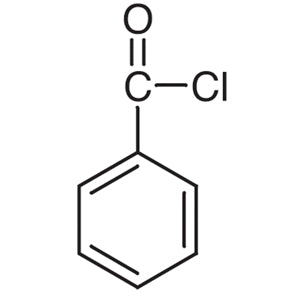
BenzoylChloride TCI B0105
Regular price Rp 557.550,00Regular priceRp 405.300,00Sale price Rp 557.550,00 -
p-ToluoylChloride TCI T0311
Regular price From Rp 610.050,00Regular priceRp 442.050,00Sale price From Rp 610.050,00 -
4'-Acetoxyacetophenone TCI A1997
Regular price Rp 3.207.750,00Regular priceRp 2.258.550,00Sale price Rp 3.207.750,00 -
3'-Acetoxyacetophenone TCI A1996
Regular price From Rp 1.060.500,00Regular priceRp 757.050,00Sale price From Rp 1.060.500,00 -
2'-Acetoxyacetophenone TCI A1995
Regular price From Rp 1.563.450,00Regular priceRp 1.108.800,00Sale price From Rp 1.563.450,00 -
2-Aminobenzamide TCI A0262
Regular price From Rp 1.510.950,00Regular priceRp 1.072.050,00Sale price From Rp 1.510.950,00 -
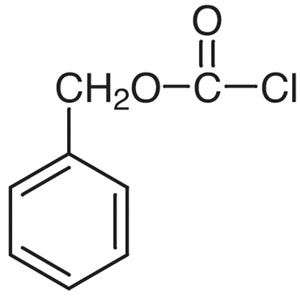
BenzylChloroformate TCI B3021
Regular price From Rp 689.850,00Regular priceRp 497.700,00Sale price From Rp 689.850,00 -
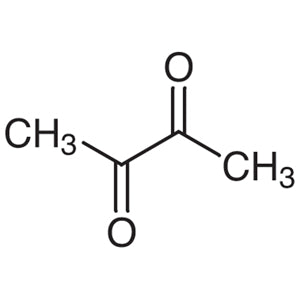
Diacetyl TCI B0682
Regular price From Rp 637.350,00Regular priceRp 445.200,00Sale price From Rp 637.350,00