

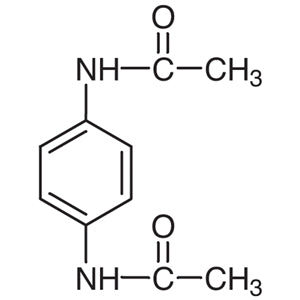
N,N’-Diacetyl-1,4-phenylenediamine is a chemical compound widely used as a building block in laboratory reactions. It is a versatile reagent that plays a key role in the synthesis of various organic compounds, particularly in the field of organic chemistry. Its aromatic structure, combined with two acetylated amino groups, makes it a valuable intermediate in the preparation of complex molecules. This compound is commonly found in chemical laboratories where researchers are engaged in the development of new materials and compounds. Its stability and controlled reactivity allow it to be used in a wide range of experimental setups, making it an essential tool for chemists working in both academic and industrial settings.
The compound’s chemical properties make it a preferred choice for laboratory use. It exhibits good solubility in organic solvents such as ethylamine and acetone, which facilitates its use in various synthetic procedures. Its ability to react with acids, bases, and oxidizing agents enables it to participate in a variety of chemical transformations, including substitution, reduction, and covalent reactions. Additionally, its resistance to degradation ensures that it remains stable under a range of experimental conditions, making it suitable for long-term use in laboratory applications. These characteristics contribute to its popularity among researchers in Indonesia and other regions.
In Indonesian laboratories, N,N’-Diacetyl-1,4-phenylenediamine is frequently used in organic chemistry research, particularly in the development of azo dyes, pigments, and other colored compounds. Its role in the synthesis of organic materials makes it an important component in both academic and industrial research settings. The compound is also used in the study of chemical reactions and material properties, supporting a wide range of scientific investigations in the field of chemistry.
- Azo Dye Synthesis: This compound is ideal for the synthesis of azo dyes due to its aromatic structure and reactivity, allowing for the formation of stable dye molecules through coupling reactions.
- Organic Pigment Development: Its ability to react with various reagents makes it a key component in the creation of organic pigments, which are used in industrial and research applications.
- Chemical Reactions Research: The compound is widely used in laboratory experiments to study substitution, reduction, and covalent reactions, providing insights into chemical behavior and transformation.
- Material Science Studies: Its stability and reactivity make it suitable for the development of new materials, supporting research in polymer chemistry and functional materials.
- Color Chemistry Investigations: It is commonly used in studies involving color compounds, helping researchers understand the properties and behavior of colored substances in different environments.
| Brand | TCI |
|---|---|
| CAS number | 140-50-1 |
| Molecular formula | — |
| Purity | — |
| Category | Chemistry > Building Blocks > Non-Heterocyclic Building Blocks |
| Pack sizes | Available in various quantities as per supplier specifications |
| Physical form | Solid |
| Storage | Store in a cool, dry place away from direct sunlight |
This compound should be stored in a cool, dry environment, away from direct sunlight and sources of heat. It is recommended to use airtight containers to prevent exposure to moisture and air, which could affect its stability. While it is generally stable under normal laboratory conditions, it should be handled with care to avoid prolonged exposure to strong oxidizing agents or reactive chemicals. Proper ventilation is advised when working with this material to ensure a safe laboratory environment. Always follow standard safety protocols when handling chemical substances, including the use of personal protective equipment such as gloves and goggles.
—
Produk Terkait
-
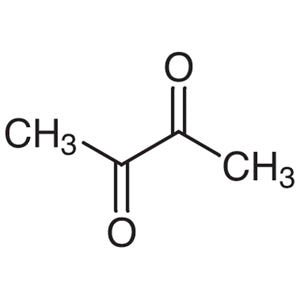
Diacetyl TCI B0682
Regular price From Rp 637.350,00Regular price -
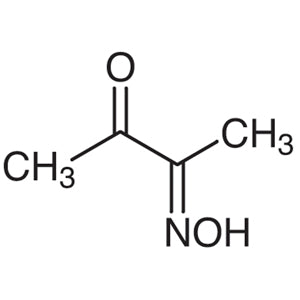
DiacetylMonoxime TCI B0683
Regular price From Rp 1.776.600,00Regular price -
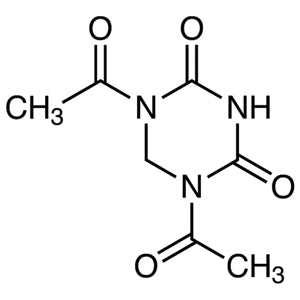
1,5-Diacetyl-1,3,5-triazinane-2,4-dione TCI D5634
Regular price From Rp 2.571.450,00Regular price -
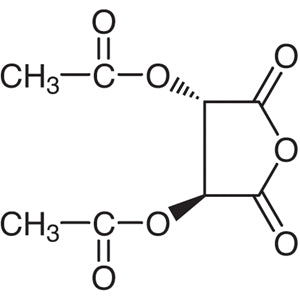
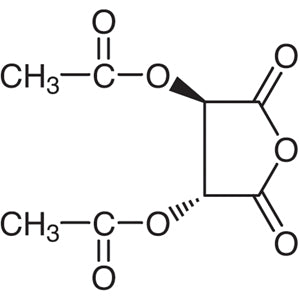
(-)-Diacetyl-D-tartaricAnhydride TCI D2645
Regular price From Rp 743.400,00Regular price -
(+)-Diacetyl-D-tartaricAcid TCI D2636
Regular price Rp 2.625.000,00Regular price -
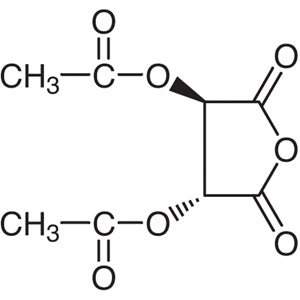
(+)-Diacetyl-L-tartaricAnhydride TCI D1911
Regular price Rp 1.220.100,00Regular price -
(-)-Diacetyl-L-tartaricAcid TCI D1386
Regular price Rp 4.691.400,00Regular price -
N,N,N',N'-Tetrakis[4-(diisobutylamino)phenyl]-1,4-phenylenediamine TCI T3770
Regular price From Rp 2.094.750,00Regular price


![485831-34-3 N,N,N',N'-Tetrakis[4-(diisobutylamino)phenyl]-1,4-phenylenediamine - AMI Scientific](http://amiscientific.com/cdn/shop/files/TCI2510T3770.jpg?v=1767144326&width=533)