Dapivirine is a chemical compound widely used in pharmacological and biochemical research, particularly in the study of antiretroviral drugs. As a derivative of nevirapine, it exhibits significant anti-HIV activity and is commonly employed as a starting material in the development of new therapeutic agents. This compound plays a crucial role in laboratories focused on infectious disease research and pharmacological therapy development. Its chemical stability under specific conditions makes it a reliable reagent for various experimental applications.
Dapivirine is preferred due to its specific and effective mechanism of action. It inhibits the replication of the HIV virus by blocking the reverse transcriptase enzyme, a key step in the viral life cycle. Its chemical properties allow it to be used in a wide range of biochemical experiments, making it a versatile tool for researchers. The solid form and appropriate concentration of Dapivirine facilitate its use in laboratory settings, ensuring consistency and ease of handling.
In Indonesian laboratories, Dapivirine is frequently utilized in public health and pharmaceutical research. It is a key component in studies aimed at controlling HIV/AIDS and developing new drugs. Many research institutions and universities in Indonesia rely on this compound for experimental work related to antiretroviral therapy and infectious disease management.
- HIV Research: Dapivirine is used to study the mechanisms of HIV replication and the effectiveness of antiretroviral drugs in laboratory settings.
- Antiviral Drug Development: It serves as a starting material for the synthesis of new antiretroviral compounds, supporting pharmaceutical research.
- Biochemical Analysis: Its ability to inhibit reverse transcriptase makes it suitable for enzyme inhibition studies and drug screening experiments.
- Infectious Disease Studies: It is employed in research focused on the prevention and treatment of HIV/AIDS, contributing to public health initiatives.
- Pharmacological Testing: Dapivirine is used to evaluate the pharmacological properties of potential therapeutic agents in controlled laboratory environments.
| Brand | TCI |
|---|---|
| CAS number | 244767-67-7 |
| Molecular formula | — |
| Purity | — |
| Category | Life Science > Biochemicals and Reagents > Antibiotics |
| Pack sizes | As per supplier specifications |
| Physical form | Solid |
| Storage | Store in a cool, dry place away from light |
Dapivirine should be stored in a cool, dry environment to maintain its chemical stability. It is recommended to keep it in airtight containers to prevent moisture absorption and contamination. Due to its potential reactivity, it should be handled with appropriate personal protective equipment, such as gloves and safety goggles. Storage should be away from incompatible substances to avoid chemical interactions. Regular monitoring of storage conditions ensures the integrity of the compound remains intact for laboratory use. Proper labeling and safe handling practices are essential to maintain a safe and efficient laboratory environment.
—
Product Categories
- Biochemicals and ReagentsAntibioticsAntibiotics (by Application)
- Biochemicals and ReagentsEnzymes, Enzyme Inhibitors, Enzyme SubstratesEnzyme Inhibitors [Biochemicals and Reagents]
- Biochemicals and ReagentsPharmaceutical Research Reagents (for Experimental Use)Antiviral Research Reagents (for Experimental Use)
- Cell BiologyBioactive Small MoleculesBioactive Small Molecules (Others)
- MicrobiologyAntibioticsAntibiotics (by Application)
- Pharmaceutical Development and Drug Discovery ResearchPharmaceutical Research Reagents (for Experimental Use)Antiviral Research Reagents (for Experimental Use)
- Pharmaceutical Development and Drug Discovery ResearchAntibioticsAntibiotics (by Application)
Produk Terkait
-
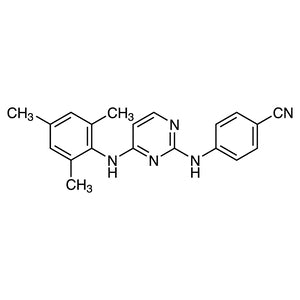
Rilpivirine TCI R0278
Regular price Rp 7.844.550,00Regular price -
Telbivudine TCI T4158
Regular price Rp 2.359.350,00Regular price -
Tenofovir TCI T3006
Regular price From Rp 2.094.750,00Regular price -
Abacavir TCI A2694
Regular price Rp 2.730.000,00Regular price -
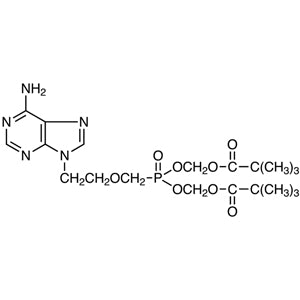
AdefovirDipivoxil TCI A2414
Regular price From Rp 980.700,00Regular price -
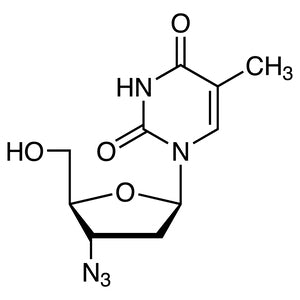
3'-Azido-3'-deoxythymidine TCI A2052
Regular price From Rp 2.411.850,00Regular price -
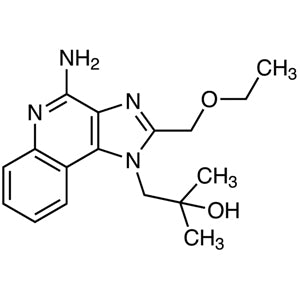
Resiquimod TCI R0197
Regular price From Rp 3.180.450,00Regular price -
Ritonavir TCI R0116
Regular price From Rp 2.068.500,00Regular price