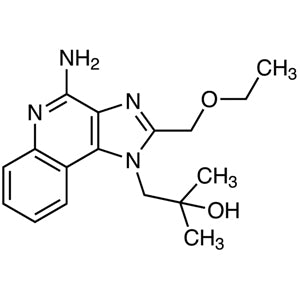
Resiquimod, with CAS number 144875-48-9, is an active compound widely used in biomedical and pharmacological research. As a TLR7 agonist, it activates Th1-type helper cells, triggering immune responses that make it a key tool in studying infectious diseases and vaccine development. This compound is essential for investigating immune mechanisms and the effects of immunomodulatory therapies in laboratory settings. Its role in stimulating immune cell activity makes it a valuable reagent for understanding host-pathogen interactions and immune system function.
Resiquimod is preferred for its chemical stability and good solubility in organic solvents, which facilitate its use in various analytical methods. These properties ensure reliable results in experiments requiring consistent performance. Additionally, it has a relatively high safety profile when used according to standard protocols, making it suitable for routine laboratory applications. Its compliance with scientific quality standards further enhances its reliability in research environments.
In Indonesian laboratories, Resiquimod is commonly used in clinical and basic research related to immunology and pharmacology. It plays a crucial role in applied studies aimed at developing new therapeutic approaches for autoimmune diseases, viral infections, and immunotherapy. Its presence in research protocols reflects its importance in advancing scientific understanding and innovation in the field.
Advantages (TCI brochure)
- Tricyclic imidazoquinolone and imiquimod analog acting via TLR7 and 7/8 signaling
- Induces mRNA encoding cytokines including interferon-α at the treatment site
TCI brochures (PDF)
- Immunosuppressants and Immunostimulants for Research and Experimental Use 2024-09-26 · p. 2
- Immunology Research Reagents 2026-06-03 · p. 7
- Antimicrobials and Antitumor Agents for Research and Experimental Use 2025-04-24 · p. 13
- Pharmaceutical Ingredients for Research and Experimental Use 2026-03-09 · p. 13
- Reagents for Biological Research 2025-03-11 · p. 46
- Immunological research: Resiquimod is ideal for studying immune activation and Th1 cell responses in infectious disease models.
- Vaccine development: It helps evaluate immune stimulation and adjuvant effects in vaccine formulation studies.
- Autoimmune disease studies: Its ability to modulate immune responses makes it useful in investigating autoimmune conditions.
- Immunotherapy research: Resiquimod supports the development of immunotherapeutic strategies by testing immune cell activation.
- Pathogen interaction analysis: It aids in understanding how pathogens trigger immune responses and how the body defends against infections.
From the TCI brochure
- Immunomodulator and anti-viral agent
| Brand | TCI |
|---|---|
| CAS number | 144875-48-9 |
| Molecular formula | — |
| Purity | — |
| Category | Life Science > Biochemicals and Reagents > Antibiotics |
| Pack sizes | Available in various quantities as per standard laboratory requirements |
| Physical form | Powder |
| Storage | Store in a cool, dry place away from direct light |
Resiquimod should be stored in a cool, dry environment, away from direct sunlight and moisture. It is recommended to use airtight containers to prevent contamination and maintain its chemical stability. Due to its organic solubility, it should be handled with care to avoid exposure to incompatible substances. Laboratory personnel should follow standard safety protocols when handling this compound, including wearing appropriate personal protective equipment. Proper labeling and storage conditions ensure the integrity and effectiveness of the material in research applications.
—
Product Categories
- Biochemicals and ReagentsAntibioticsAntibiotics (by Application)
- Biochemicals and ReagentsPharmaceutical Research Reagents (for Experimental Use)Antiviral Research Reagents (for Experimental Use)
- Biochemicals and ReagentsPharmaceutical Research Reagents (for Experimental Use)Immunostimulant Ingredients (for Research and Experimental Use)
- Cell BiologyBioactive Small MoleculesBioactive Small Molecules (Others)
- MicrobiologyAntibioticsAntibiotics (by Application)
- Pharmaceutical Development and Drug Discovery ResearchPharmaceutical Research Reagents (for Experimental Use)Antiviral Research Reagents (for Experimental Use)
- Pharmaceutical Development and Drug Discovery ResearchPharmaceutical Research Reagents (for Experimental Use)Immunostimulant Ingredients (for Research and Experimental Use)
- Pharmaceutical Development and Drug Discovery ResearchAntibioticsAntibiotics (by Application)
Produk Terkait
-
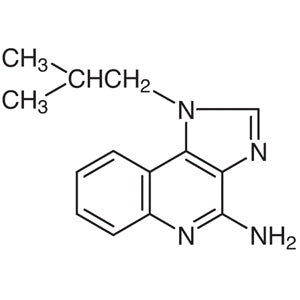
Imiquimod TCI I0747
Regular price Rp 2.147.250,00Regular priceRp 1.517.250,00Sale price Rp 2.147.250,00 -
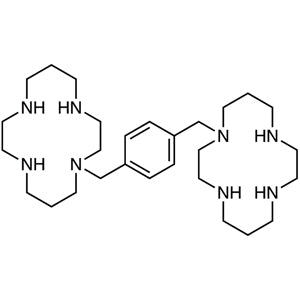
Plerixafor TCI P2678
Regular price From Rp 4.425.750,00Regular priceRp 3.110.100,00Sale price From Rp 4.425.750,00 -
Dapivirine TCI D6168
Regular price Rp 11.022.900,00Regular priceRp 7.723.800,00Sale price Rp 11.022.900,00 -
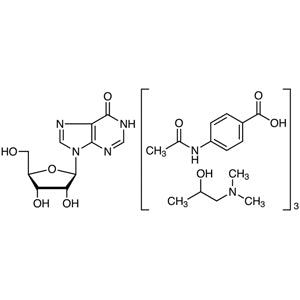
InosinePranobex TCI I1037
Regular price From Rp 769.650,00Regular priceRp 553.350,00Sale price From Rp 769.650,00 -
ClemizoleHydrochloride TCI C3468
Regular price From Rp 3.683.400,00Regular priceRp 2.591.400,00Sale price From Rp 3.683.400,00 -
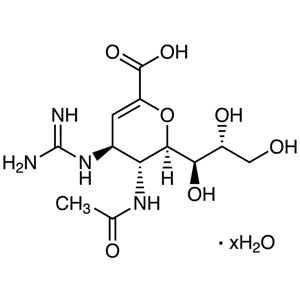
ZanamivirHydrate TCI Z0023
Regular price Rp 3.472.350,00Regular priceRp 2.443.350,00Sale price Rp 3.472.350,00 -
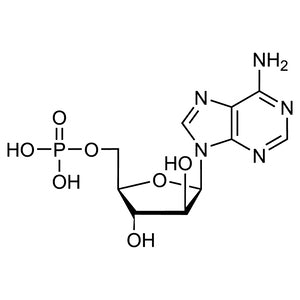
VidarabineMonophosphate TCI V0205
Regular price From Rp 2.411.850,00Regular priceRp 1.702.050,00Sale price From Rp 2.411.850,00 -
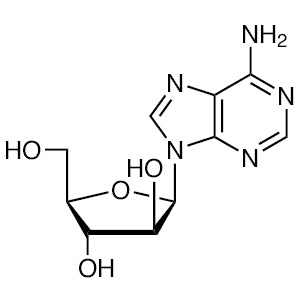
Vidarabine TCI V0175
Regular price Rp 1.856.400,00Regular priceRp 1.313.550,00Sale price Rp 1.856.400,00