Plerixafor is a chemical compound widely utilized in biomedical and pharmacological research. As a specialized antibiotic, it plays a crucial role in testing antibacterial activity and advancing medical therapies. This compound is particularly effective in inhibiting the growth of specific bacteria, especially those resistant to conventional antibiotics. In laboratory settings, Plerixafor serves as a key reagent in experiments involving bacterial sensitivity testing and the development of new therapeutic agents. Its chemical stability ensures reliable performance under controlled storage conditions, making it a valuable tool for researchers.
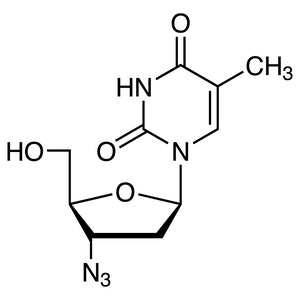
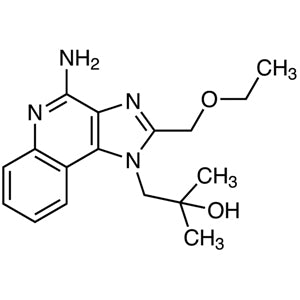
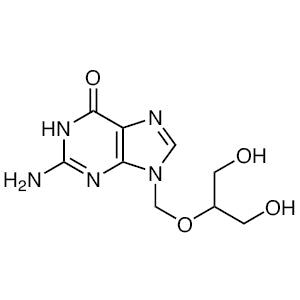
One of the main reasons Plerixafor is preferred in laboratories is its molecular structure, which allows for specific interactions with biological targets. This property enables precise and effective inhibition of bacterial dissemination, enhancing the efficiency of research processes. Additionally, its consistent performance and reliability make it a trusted choice for laboratories requiring high standards of accuracy and reproducibility. These characteristics position Plerixafor as an essential component in various scientific investigations.
In Indonesian laboratories, Plerixafor is commonly used in public health-related research and drug development initiatives. It is frequently employed by research institutions and universities to study bacterial resistance and explore new treatment options. Its application supports both academic and applied research, contributing to advancements in medical science and pharmaceutical innovation.
TCI brochures (PDF)
- Antimicrobials and Antitumor Agents for Research and Experimental Use 2025-04-24 · p. 13
- Pharmaceutical Ingredients for Research and Experimental Use 2026-03-09 · p. 13
- Reagents for Biological Research 2025-03-11 · p. 46
- Bacterial Sensitivity Testing: Plerixafor is used to assess the effectiveness of antibiotics against specific bacterial strains, aiding in the development of targeted therapies.
- Antibiotic Resistance Research: It plays a vital role in studying bacteria resistant to conventional antibiotics, helping scientists understand resistance mechanisms.
- Drug Development: Plerixafor is incorporated into experiments aimed at creating new antibiotics or improving existing ones for medical use.
- Microbial Inhibition Studies: It is utilized to evaluate its ability to inhibit bacterial growth, supporting research on antimicrobial agents.
- Public Health Research: Indonesian laboratories use it to investigate bacterial resistance patterns and their impact on community health.
| Brand | TCI |
|---|---|
| CAS number | 110078-46-1 |
| Molecular formula | — |
| Purity | — |
| Category | Life Science > Biochemicals and Reagents > Antibiotics |
| Pack sizes | As per supplier specifications |
| Physical form | Solid (as per standard product description) |
| Storage | Store in a cool, dry place away from direct sunlight |
Plerixafor should be stored in a cool, dry environment to maintain its chemical stability and effectiveness. It is recommended to keep the compound in a sealed container to prevent moisture absorption and contamination. Laboratory personnel should handle the substance with care, using appropriate personal protective equipment such as gloves and safety goggles. The material should be stored away from incompatible substances to avoid any potential chemical reactions. Regular monitoring of storage conditions ensures the compound remains viable for research use. Proper labeling and documentation are essential for safe handling and traceability in the laboratory setting.
—
Product Categories
- Biochemicals and ReagentsAntibioticsAntibiotics (by Application)
- Biochemicals and ReagentsPharmaceutical Research Reagents (for Experimental Use)Antiviral Research Reagents (for Experimental Use)
- Biochemicals and ReagentsPharmaceutical Research Reagents (for Experimental Use)Immunostimulant Ingredients (for Research and Experimental Use)
- Cell BiologyBioactive Small Molecules
- Cell BiologyCancer ResearchAntitumor Agents for Research
- MicrobiologyAntibioticsAntibiotics (by Application)
- Pharmaceutical Development and Drug Discovery ResearchPharmaceutical Research Reagents (for Experimental Use)Antiviral Research Reagents (for Experimental Use)
- Pharmaceutical Development and Drug Discovery ResearchPharmaceutical Research Reagents (for Experimental Use)Immunostimulant Ingredients (for Research and Experimental Use)
- Pharmaceutical Development and Drug Discovery ResearchAntibioticsAntibiotics (by Application)
Produk Terkait
-
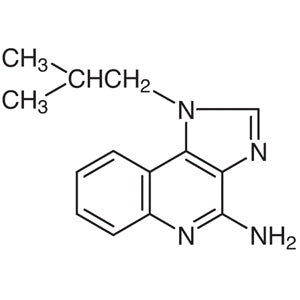
Imiquimod TCI I0747
Regular price Rp 2.147.250,00Regular priceRp 1.517.250,00Sale price Rp 2.147.250,00 -
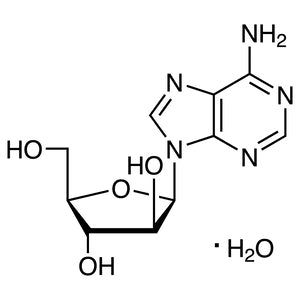
VidarabineMonohydrate TCI V0098
Regular price From Rp 3.710.700,00Regular priceRp 2.610.300,00Sale price From Rp 3.710.700,00 -
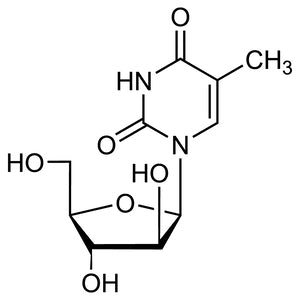
Thymine1-beta-D-Arabinofuranoside TCI A3756
Regular price Rp 8.585.850,00Regular priceRp 6.019.650,00Sale price Rp 8.585.850,00 -
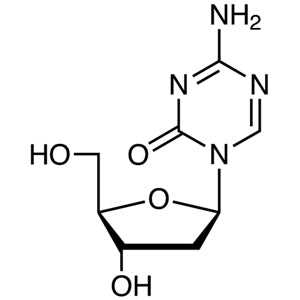
5-Aza-2'-deoxycytidine TCI A2232
Regular price From Rp 3.419.850,00Regular priceRp 2.406.600,00Sale price From Rp 3.419.850,00 -
3'-Azido-3'-deoxythymidine TCI A2052
Regular price From Rp 2.464.350,00Regular priceRp 1.738.800,00Sale price From Rp 2.464.350,00 -
Resiquimod TCI R0197
Regular price From Rp 3.232.950,00Regular priceRp 2.276.400,00Sale price From Rp 3.232.950,00 -
Ritonavir TCI R0116
Regular price From Rp 2.121.000,00Regular priceRp 1.498.350,00Sale price From Rp 2.121.000,00 -
Ganciclovir TCI G0315
Regular price From Rp 3.392.550,00Regular priceRp 2.387.700,00Sale price From Rp 3.392.550,00