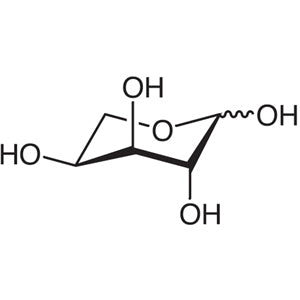
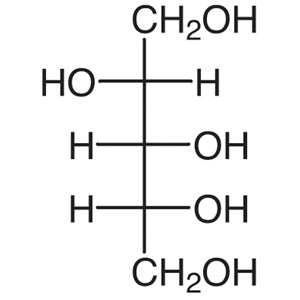
Myo-Inositol (TCI I0040), with CAS number 87-89-8, is a widely used chemical compound in laboratory settings, particularly in the fields of chemical biology and glycoscience. As a cyclic sugar alcohol, it shares structural similarities with glucose and is commonly found in various biological compounds. This compound plays a crucial role in metabolic studies, especially in research related to hormones and the nervous system. Its chemical stability and solubility in water make it a versatile reagent for a wide range of chemical reactions and dissolution processes.
Myo-Inositol is preferred for its chemical stability, solubility in water, and ability to bind with metal ions and various biomolecules. These properties make it an ideal choice for molecular interactions and organic compound modifications. Its compatibility with a variety of experimental setups allows researchers to conduct complex syntheses and biological activity tests with high reliability. Additionally, its non-toxic nature and ease of handling contribute to its popularity in both academic and industrial research environments.
In Indonesian laboratories, myo-inositol is commonly used in scientific research across disciplines such as pharmacology, biochemistry, and biotechnology. Its availability, quality, and ability to participate in diverse chemical reactions make it a preferred material for researchers. It is often used in studies involving metabolic pathways, drug development, and biochemical assays. Its role in supporting scientific innovation is well recognized in the local research community.
TCI brochures (PDF)
- Vitamins for Research and Experimental Use 2025-06-27 · p. 6
- Reagents for Glyco Chemistry & Biology 5th Edition · p. 54
- Reagents for Biological Research 2025-03-11 · p. 23
- Myo-Inositol is ideal for metabolic pathway studies due to its structural similarity to glucose and its role in cellular signaling.
- It is widely used in biochemical assays for its ability to bind with metal ions and participate in enzymatic reactions.
- Myo-Inositol supports research in neurobiology due to its involvement in neurotransmitter regulation and nerve function.
- It is a key component in organic synthesis experiments, enabling the creation of complex molecules with high purity.
- The compound is frequently used in pharmacological research for testing drug interactions and metabolic effects on biological systems.
| Brand | TCI |
|---|---|
| CAS number | 87-89-8 |
| Molecular formula | — |
| Purity | — |
| Category | Chemistry > Chemical Biology > Glycoscience |
| Pack sizes | Available in various quantities as per supplier specifications |
| Physical form | White crystalline powder |
| Storage | Store in a cool, dry place away from direct sunlight |
Myo-Inositol should be stored in a cool, dry environment, away from direct sunlight and moisture. It is best kept in airtight containers to prevent contamination and maintain its chemical integrity. Due to its water solubility, it should be handled in a well-ventilated area to avoid inhalation of fine particles. Proper personal protective equipment, such as gloves and safety goggles, should be worn when handling the compound. It is recommended to store it in a secure location to prevent accidental spills or exposure. Regular monitoring of storage conditions ensures the compound remains stable and suitable for use in laboratory experiments.
—
Product Categories
- GlycoscienceApplications Using Glyco-materialsGlyco-functional Analysis [Applications Using Glyco-materials]
- GlycoscienceApplications Using Glyco-materialsGlyco-chemical Analysis [Applications Using Glyco-materials]
- GlycoscienceMonosaccharides [Glycoscience]Inositols [Glycoscience]
- Biochemicals and ReagentsCarbohydrates
- Biochemicals and ReagentsChemical Chaperones
- Biochemicals and ReagentsStabilization of BiomoleculesBiostabilization Agents
- Biochemicals and ReagentsVitamins and Related CompoundsVitamin Related Compounds
- Cell BiologyMetabolomicsMetabolic Libraries
- Cell BiologyMetabolomicsMetabolic Pathways
- Molecular BiologyChemical Chaperones
Produk Terkait
-
epi-Inositol TCI I0628
Regular price Rp 4.213.650,00Regular priceRp 2.962.050,00Sale price Rp 4.213.650,00 -
D-Pinitol TCI P2219
Regular price From Rp 505.050,00Regular priceRp 368.550,00Sale price From Rp 505.050,00 -
Phytin TCI P0410
Regular price From Rp 662.550,00Regular priceRp 478.800,00Sale price From Rp 662.550,00 -
D-(-)-Arabinose TCI A0513
Regular price From Rp 1.192.800,00Regular priceRp 849.450,00Sale price From Rp 1.192.800,00 -
L-(+)-Arabinose TCI A0515
Regular price From Rp 1.167.600,00Regular priceRp 831.600,00Sale price From Rp 1.167.600,00 -
D-(+)-Arabitol TCI A0516
Regular price Rp 769.650,00Regular priceRp 553.350,00Sale price Rp 769.650,00 -
L-(-)-Arabitol TCI A0518
Regular price From Rp 610.050,00Regular priceRp 442.050,00Sale price From Rp 610.050,00 -
N-Acetyl-D-glucosamine TCI A0092
Regular price From Rp 980.700,00Regular priceRp 701.400,00Sale price From Rp 980.700,00