Phytin is a chemical compound widely used in various chemical and biological experiments. As an organic compound belonging to the group of phytocyanins, Phytin has a complex structure composed of phytic acid and other organic compounds. In the laboratory, it plays a crucial role in studying nutrient absorption by plants and in the synthesis of specific chemical compounds. Its unique chemical properties make it an essential tool for researchers in the field of chemical biology and glycoscience. Phytin is particularly valuable for understanding the interaction between nutrients and the environment, as well as the mechanisms of mineral uptake in plants.
Phytin is preferred due to its ability to bind metal ions such as calcium, magnesium, and iron. This characteristic makes it a key component in studies related to mineral absorption by plants. Its chemical stability under certain conditions also contributes to its reliability in laboratory settings. However, Phytin is sensitive to moisture and high temperatures, requiring careful handling and storage. These properties make it an ideal choice for experiments involving nutrient analysis and environmental studies.
In Indonesian laboratories, Phytin is commonly used in agricultural and environmental research. It serves as a vital tool for understanding the dynamics of nutrient interactions in soil and plant growth. Researchers rely on Phytin to analyze how nutrients affect plant development and how environmental factors influence nutrient availability. Its role in both basic and applied research underscores its importance in the scientific community.
TCI brochures (PDF)
- Prodrug of Phytic Acid with High Cell Membrane Permeability Pro-IP6 2024-10-03 · p. 1
- Phytochemicals 2025-12-17 · p. 14
- Reagents for Glyco Chemistry & Biology 5th Edition · p. 55
- Nutrient Uptake Studies – Phytin is used to investigate how plants absorb minerals from the soil, providing insights into plant physiology and soil chemistry.
- Environmental Research – It aids in studying the impact of environmental factors on nutrient availability and plant growth, supporting ecological and agricultural research.
- Chemical Synthesis – Phytin is a valuable reagent in the synthesis of specific organic compounds, contributing to the development of new chemical products.
- Mineral Binding Analysis – Its ability to bind metal ions makes it useful for analyzing the interaction between minerals and plant systems.
- Soil Nutrient Dynamics – Phytin helps researchers understand the movement and transformation of nutrients in soil, supporting sustainable agricultural practices.
| Brand | — |
|---|---|
| CAS number | — |
| Molecular formula | — |
| Purity | — |
| Category | — |
| Pack sizes | — |
| Physical form | — |
| Storage | — |
- Brand – TCI
- CAS Number – 3615-82-5
- Category – Chemistry > Chemical Biology > Glycoscience
- Pack Sizes – Available in various quantities as per standard laboratory supply
- Physical Form – Solid powder
- Storage Note – Store in a cool, dry place away from moisture and high temperatures
Phytin should be stored in a cool, dry place to maintain its chemical stability and prevent degradation. It is recommended to use airtight containers to protect it from moisture and humidity, which can affect its integrity. Due to its sensitivity to high temperatures, it should be kept away from heat sources and direct sunlight. In a laboratory setting, proper labeling and secure storage are essential to ensure safe handling. Regular monitoring of storage conditions is advised to maintain the quality and effectiveness of Phytin for research purposes. Always use appropriate personal protective equipment when handling this compound to ensure safety in the laboratory environment.
—
Product Categories
- GlycoscienceApplications Using Glyco-materialsGlyco-chemical Analysis [Applications Using Glyco-materials]
- GlycoscienceFunctional OligosaccharidesNatural Glycosides [Functional Oligosaccharides]
- GlycoscienceFunctional OligosaccharidesPhosphated Sugars [Functional Oligosaccharides]
- GlycoscienceMonosaccharides [Glycoscience]Inositols [Glycoscience]
- Biochemicals and ReagentsCarbohydrates
- Cell BiologyNutrition ResearchPhytochemicals
Produk Terkait
-
PhyticAcid(ca50%inWater,ca11mol/L) TCI P0409
Regular price From Rp 477.750,00Regular price -
Arbutin TCI A0522
Regular price From Rp 452.550,00Regular price -
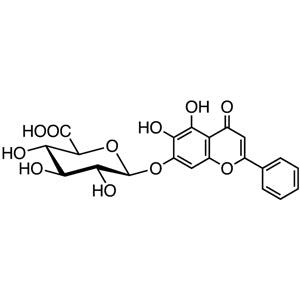
Baicalin TCI B2835
Regular price Rp 2.677.500,00Regular price -
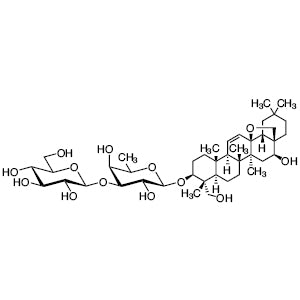
SaikosaponinA TCI A3408
Regular price From Rp 2.359.350,00Regular price -
D-Pinitol TCI P2219
Regular price From Rp 452.550,00Regular price -
epi-Inositol TCI I0628
Regular price Rp 4.161.150,00Regular price -
myo-Inositol TCI I0040
Regular price From Rp 505.050,00Regular price -
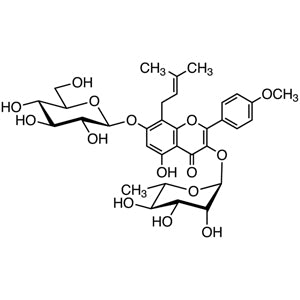
Icariin TCI I0862
Regular price From Rp 1.829.100,00Regular price