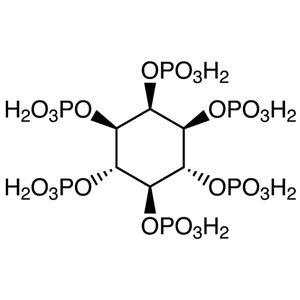
Phytic acid, with CAS number 83-86-3, is an organic compound widely used in chemical and biochemical experiments. It is a solid that dissolves readily in water, making it easy to prepare into solutions for various research applications. This compound plays a significant role in the study of mineral metabolism, particularly in the process of metal ion binding, such as iron and zinc. Its ability to chelate excess metal ions makes it valuable in nutritional research, where it helps understand how the body manages metal ion levels.
Phytic acid is chemically stable under certain conditions but highly reactive towards acids and bases. Its purity of approximately 50% in water makes it suitable for experiments requiring high concentration without the need for additional additives. The availability in solution form simplifies laboratory use, ensuring accuracy and speed in measurements. It is especially favored for its versatility and reliability in different experimental setups.
In Indonesian laboratories, phytic acid is commonly used in research across chemistry, biology, and nutrition. It is relevant in studies examining the effects of nutrition on the human body and in the development of food and supplement products. Its role in metal ion binding also makes it a key component in studies related to dietary supplements and health. The compound's stability and solubility contribute to its widespread use in both academic and industrial research settings.
TCI brochures (PDF)
- Prodrug of Phytic Acid with High Cell Membrane Permeability Pro-IP6 2024-10-03 · p. 1
- Phytochemicals 2025-12-17 · p. 14
- Reagents for Glyco Chemistry & Biology 5th Edition · p. 54
- Metal ion binding studies due to its ability to chelate iron and zinc, aiding in mineral metabolism research.
- Nutritional research as it helps analyze how the body manages excess metal ions in the digestive system.
- Food and supplement development for assessing the impact of phytic acid on nutrient absorption and bioavailability.
- Biochemical experiments where metal ion interactions are critical to enzyme activity and metabolic pathways.
- Chemical synthesis applications where phytic acid acts as a chelating agent to control reaction conditions.
| Brand | TCI |
|---|---|
| CAS number | 83-86-3 |
| Molecular formula | — |
| Purity | — |
| Category | Chemistry > Chemical Biology > Glycoscience |
| Pack sizes | — |
| Physical form | Solid |
| Storage | Store in a cool, dry place away from direct sunlight |
Phytic acid should be stored in a cool, dry place away from direct sunlight to maintain its chemical stability. It is recommended to use airtight containers to prevent moisture absorption, which could affect its purity and solubility. Due to its reactivity with acids and bases, it should be handled with care and stored separately from strong acids or bases. In laboratory settings, it is important to ensure proper ventilation when working with this compound to avoid inhalation of any airborne particles. Always use appropriate personal protective equipment, such as gloves and safety goggles, to ensure safe handling. Proper storage and handling practices help preserve the integrity of the compound and ensure its effectiveness in research applications.
References cited in the TCI brochure
- Vikas Kumar. Dietary roles of phytate and phytase in human nutrition: A review Food Chemistry, 2010. doi:10.1016/j.foodchem.2009.11.052
- Takuya Masunaga. Anti-cancer activity of the cell membrane-permeable phytic acid prodrug Bioorganic Chemistry, 2019. doi:10.1016/j.bioorg.2019.103240
Product Categories
- GlycoscienceFunctional OligosaccharidesNatural Glycosides [Functional Oligosaccharides]
- GlycoscienceFunctional OligosaccharidesPhosphated Sugars [Functional Oligosaccharides]
- GlycoscienceMonosaccharides [Glycoscience]Inositols [Glycoscience]
- Biochemicals and ReagentsCarbohydrates
- Cell BiologyCell Signaling and NeuroscienceOxidative Stress
- Cell BiologyNutrition ResearchPhytochemicals
Produk Terkait
-
Phytin TCI P0410
Regular price From Rp 610.050,00Regular price -
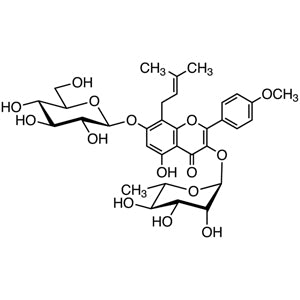
Icariin TCI I0862
Regular price From Rp 1.829.100,00Regular price -
Arbutin TCI A0522
Regular price From Rp 452.550,00Regular price -
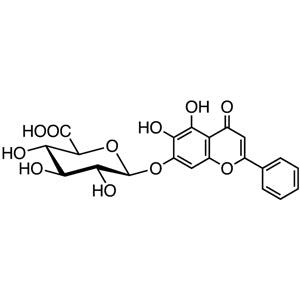
Baicalin TCI B2835
Regular price Rp 2.677.500,00Regular price -
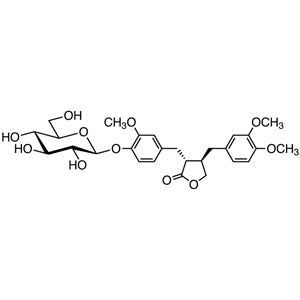
Arctiin TCI A3118
Regular price From Rp 1.431.150,00Regular price -
Sophoricoside TCI S0835
Regular price Rp 8.665.650,00Regular price -
Puerarin TCI P1886
Regular price From Rp 1.405.950,00Regular price -
Piceid TCI P1878
Regular price From Rp 2.439.150,00Regular price