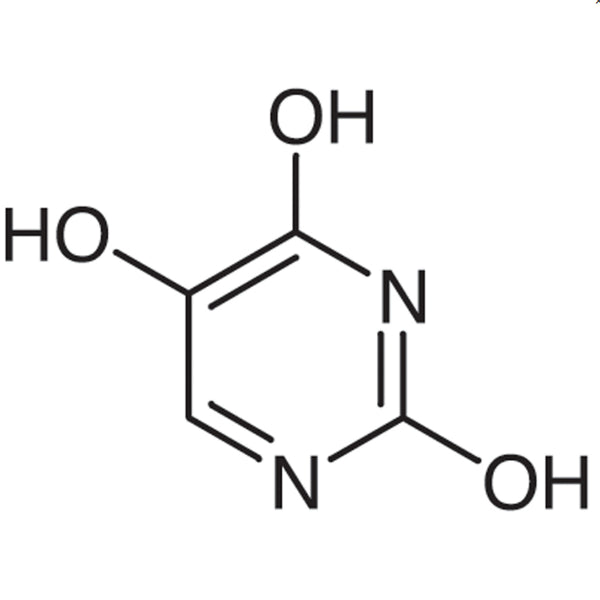
Isobarbituric Acid (496-76-4) is a chemical compound widely used in laboratory settings for the synthesis of heterocyclic compounds. As a key building block in organic chemistry, it plays a vital role in the development of complex molecular structures. This compound is commonly found in chemical laboratories as a raw material for creating various heterocyclic substances. Its structural similarity to barbiturates makes it a valuable tool in synthetic chemistry, particularly in the design of pharmaceuticals and other specialized compounds.
The chemical properties of Isobarbituric Acid make it a preferred choice for researchers. It exhibits stability under certain conditions but is sensitive to moisture and air exposure, which requires careful handling. The compound is typically solid and dissolves easily in organic solvents, facilitating its use in a wide range of chemical reactions. Its ability to participate in substitution and ring-opening reactions enhances its utility in the synthesis of heterocyclic compounds. These characteristics make it a reliable and versatile reagent in laboratory applications.
In Indonesian laboratories, Isobarbituric Acid is extensively used in chemical research, especially in the fields of pharmacy and organic synthesis. Researchers rely on this compound to develop new substances or study complex chemical structures. Its availability and chemical properties make it an essential component in both academic and industrial research settings. The compound’s role in advancing scientific knowledge and innovation is significant in the Indonesian scientific community.
Related TCI products
- TCI T2834 504-17-6 2-Thiobarbituric Acid [for Biochemical Research]
- TCI T0192 504-17-6 2-Thiobarbituric Acid
- TCI N0128 480-68-2 5-Nitrobarbituric Acid Trihydrate
- TCI M1013 1979-98-2 S-Methylthiobarbituric Acid
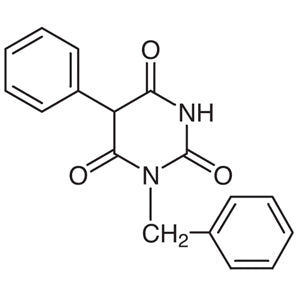
- TCI B2789 72846-00-5 1-Benzyl-5-phenylbarbituric Acid
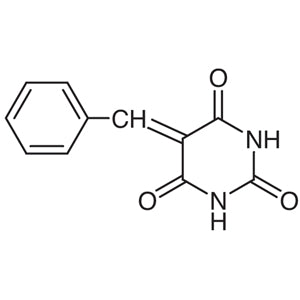
- TCI B0007 27402-47-7 5-Benzylidenebarbituric Acid
- Pharmaceutical research utilizes Isobarbituric Acid for the synthesis of novel drug compounds due to its structural versatility and reactivity.
- Organic synthesis applications benefit from its ability to participate in substitution and ring-opening reactions, enabling the creation of complex molecular frameworks.
- Heterocyclic compound development leverages its structural similarity to barbiturates, allowing for the design of new chemical entities with specific biological activities.
- Chemical analysis laboratories use it as a reference material for testing and standardization in analytical procedures.
- Academic research institutions incorporate it into their studies to explore new synthetic pathways and chemical transformations.
| Brand | TCI |
|---|---|
| CAS number | 496-76-4 |
| Molecular formula | — |
| Purity | — |
| Category | Chemistry > Building Blocks > Heterocyclic Building Blocks |
| Pack sizes | — |
| Physical form | Solid |
| Storage | Store in a dry, cool place away from moisture and air exposure |
Isobarbituric Acid should be stored in a dry, cool environment to maintain its chemical stability. It is recommended to keep the compound in airtight containers to prevent exposure to moisture and air, which can degrade its properties. Due to its sensitivity, it should be handled in a well-ventilated area to minimize inhalation risks. Laboratory personnel should wear appropriate personal protective equipment, such as gloves and safety goggles, when working with this compound. Proper labeling of storage containers is essential to ensure safe handling and prevent accidental exposure. Regular monitoring of storage conditions helps maintain the integrity of the material and ensures its effectiveness in laboratory applications.
—
Produk Terkait
-
2-ThiobarbituricAcid[forBiochemicalResearch] TCI T2834
Regular price Rp 1.193.850,00Regular price -
2-ThiobarbituricAcid TCI T0192
Regular price From Rp 1.326.150,00Regular price -
5-NitrobarbituricAcidTrihydrate TCI N0128
Regular price From Rp 1.749.300,00Regular price -
S-MethylthiobarbituricAcid TCI M1013
Regular price Rp 2.174.550,00Regular price -
1-Benzyl-5-phenylbarbituricAcid TCI B2789
Regular price Rp 1.803.900,00Regular price -
5-BenzylidenebarbituricAcid TCI B0007
Regular price Rp 2.254.350,00Regular price -
5-Acetyl-1,3-dimethylbarbituricAcid TCI A2555
Regular price Rp 5.698.350,00Regular price -
1,3-DicyclohexylbarbituricAcid TCI D2815
Regular price From Rp 3.232.950,00Regular price
![504-17-6 2-Thiobarbituric Acid [for Biochemical Research] - AMI Scientific](http://amiscientific.com/cdn/shop/files/TCI2510T2834.jpg?v=1767143442&width=533)