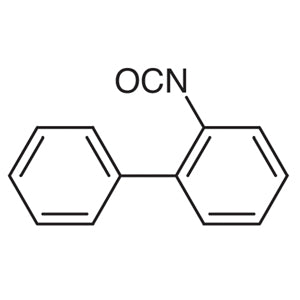
2-Biphenyl Isocyanate is a chemical compound widely used in laboratory settings for its versatility in organic synthesis. As a key building block in chemical reactions, it plays a crucial role in the development of complex organic molecules. Its unique molecular structure, consisting of two benzene rings connected by a carbon chain with an isocyanate group at the end, makes it a valuable reagent in various synthetic pathways. This compound is commonly utilized in the creation of polymers, pharmaceuticals, and industrial chemicals, making it an essential component in modern chemical research.
The compound's high reactivity and solubility in organic solvents such as ethyl acetate and chloroform contribute to its effectiveness in laboratory applications. These properties allow it to participate in a wide range of chemical reactions, including substitution and bond formation processes. Its stability under specific conditions also facilitates safe handling and storage, ensuring consistent performance in research environments. Additionally, its chemical stability enhances its usability in long-term experiments and repeated applications.
In Indonesian laboratories, 2-Biphenyl Isocyanate is frequently used in organic chemistry research, particularly in the synthesis of complex compounds. It is also commonly found in studies related to polymer development and new material research. Due to its reactivity, it is a preferred choice for researchers aiming to achieve precise chemical transformations and innovative material synthesis.
- Organic synthesis applications benefit from 2-Biphenyl Isocyanate due to its reactivity and ability to form complex molecular structures.
- Polymer research utilizes this compound for creating new materials with tailored properties and structural characteristics.
- Pharmaceutical development incorporates this reagent for the synthesis of drug compounds with specific functional groups.
- Material science studies employ it to design advanced polymers and composite materials with enhanced performance.
- Industrial chemical production relies on this compound for the manufacture of specialty chemicals and functional intermediates.
| Brand | TCI |
|---|---|
| CAS number | 17337-13-2 |
| Molecular formula | — |
| Purity | — |
| Category | Chemistry > Building Blocks > Non-Heterocyclic Building Blocks |
| Pack sizes | Available in various quantities as per supplier specifications |
| Physical form | Solid or liquid, depending on the specific formulation |
| Storage | Store in a cool, dry place away from direct sunlight and moisture |
2-Biphenyl Isocyanate should be stored in a cool, dry environment to maintain its chemical stability. It is recommended to keep it in airtight containers to prevent exposure to moisture and air, which can affect its reactivity. Due to its high reactivity, it should be handled with care to avoid unintended chemical reactions or spills. Laboratory personnel should use appropriate personal protective equipment, such as gloves and safety goggles, when working with this compound. Proper ventilation is essential to minimize inhalation risks. Regular monitoring of storage conditions ensures the compound remains safe and effective for use in research applications.
—
Produk Terkait
-
4-ButylphenylIsocyanate TCI B3205
Regular price From Rp 1.087.800,00Regular price -
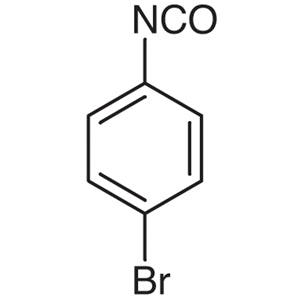
4-BromophenylIsocyanate TCI B0636
Regular price From Rp 2.279.550,00Regular price -
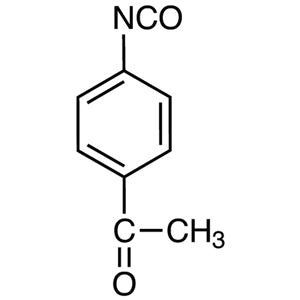
4-AcetylphenylIsocyanate TCI A2933
Regular price From Rp 2.094.750,00Regular price -
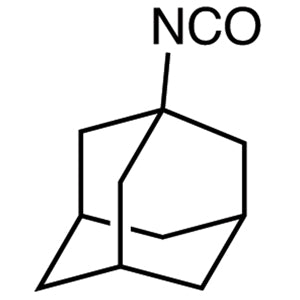
1-AdamantylIsocyanate TCI A1706
Regular price From Rp 1.298.850,00Regular price -
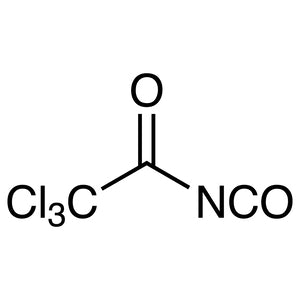
TrichloroacetylIsocyanate TCI T1047
Regular price From Rp 769.650,00Regular price -
p-ToluenesulfonylIsocyanate TCI T0998
Regular price Rp 530.250,00Regular price -
m-TolylIsocyanate TCI T0721
Regular price From Rp 1.776.600,00Regular price -
p-TolylIsocyanate TCI T0321
Regular price From Rp 2.254.350,00Regular price