p-Tolyl Isocyanate is a chemical compound widely used as a building block in organic synthesis. It is a key reagent in laboratory settings due to its reactive isocyanate group, which enables participation in various chemical reactions such as nucleophilic attacks and condensation reactions. This compound plays a crucial role in the development of heterocyclic compounds, polymers, and pharmaceuticals. Its versatility makes it an essential component in synthetic chemistry, supporting the creation of complex molecules with specific functional groups.
The reactive nature of p-Tolyl Isocyanate, combined with its ability to react with amines, alcohols, and carboxylic acids, makes it a preferred choice for chemists. Its chemical properties allow for the formation of diverse derivatives, which are valuable in both academic and industrial research. The compound’s stability under controlled conditions ensures that it remains effective for extended periods, facilitating consistent results in laboratory experiments.
In Indonesian laboratories, p-Tolyl Isocyanate is commonly used in organic chemistry research, particularly in pharmaceutical and material science applications. It is a key reagent in the development of new compounds and industrial applications. Its availability in the local market supports ongoing research initiatives, making it a reliable and accessible resource for scientists and researchers.
- Organic synthesis: p-Tolyl Isocyanate is widely used in the synthesis of complex organic molecules due to its reactive isocyanate group, enabling the formation of various functional groups.
- Pharmaceutical research: It plays a vital role in the development of new drugs, as it can react with amines and other nucleophiles to form important intermediates.
- Polymer chemistry: The compound is used in the creation of polymers, where its reactivity allows for the formation of cross-linked structures and modified materials.
- Material science: It is employed in the development of advanced materials, including coatings and adhesives, due to its ability to form stable chemical bonds.
- Academic research: It is a common reagent in university and research laboratory settings, supporting the study of reaction mechanisms and synthetic pathways.
| Brand | TCI |
|---|---|
| CAS number | 622-58-2 |
| Molecular formula | — |
| Purity | — |
| Category | Chemistry > Building Blocks > Non-Heterocyclic Building Blocks |
| Pack sizes | Available in various quantities as per standard laboratory supply |
| Physical form | Liquid |
| Storage | Store in a cool, dry place away from moisture and incompatible substances |
p-Tolyl Isocyanate should be stored in a cool, dry environment to maintain its chemical stability. It is recommended to use sealed containers made of materials compatible with its chemical properties, such as glass or high-density polyethylene. The compound should be kept away from heat sources and direct sunlight to prevent degradation. Due to its reactivity, it should be handled in a well-ventilated area, and appropriate personal protective equipment should be worn. Storage should be in a location that is inaccessible to children and unauthorized personnel. Regular monitoring of storage conditions is advised to ensure the compound remains safe and effective for use in laboratory applications.
—
Produk Terkait
-
m-TolylIsocyanate TCI T0721
Regular price From Rp 1.776.600,00Regular priceRp 1.242.150,00Sale price From Rp 1.776.600,00 -
o-TolylIsocyanate TCI T0320
Regular price From Rp 795.900,00Regular priceRp 556.500,00Sale price From Rp 795.900,00 -
4-ButylphenylIsocyanate TCI B3205
Regular price From Rp 1.087.800,00Regular priceRp 760.200,00Sale price From Rp 1.087.800,00 -
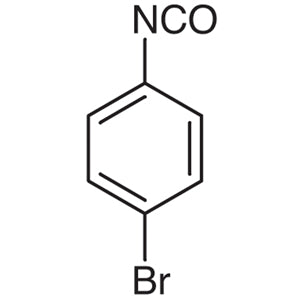
4-BromophenylIsocyanate TCI B0636
Regular price From Rp 2.279.550,00Regular priceRp 1.593.900,00Sale price From Rp 2.279.550,00 -
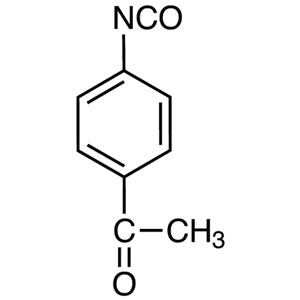
4-AcetylphenylIsocyanate TCI A2933
Regular price From Rp 2.094.750,00Regular priceRp 1.464.750,00Sale price From Rp 2.094.750,00 -
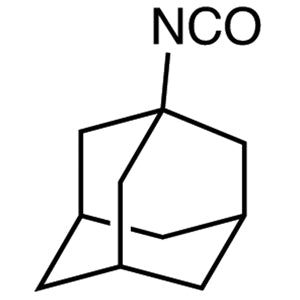
1-AdamantylIsocyanate TCI A1706
Regular price From Rp 1.298.850,00Regular priceRp 908.250,00Sale price From Rp 1.298.850,00 -
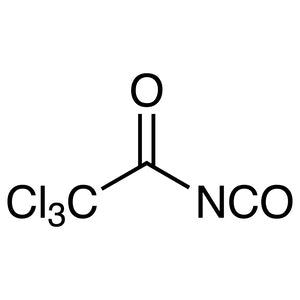
TrichloroacetylIsocyanate TCI T1047
Regular price From Rp 769.650,00Regular priceRp 537.600,00Sale price From Rp 769.650,00 -
p-ToluenesulfonylIsocyanate TCI T0998
Regular price Rp 582.750,00Regular priceRp 423.150,00Sale price Rp 582.750,00