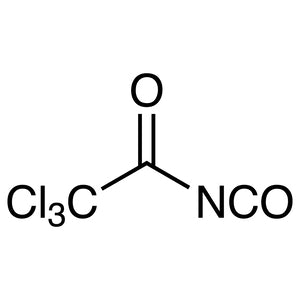
O-Tolyl Isocyanate (TCI T0320, CAS 614-68-6) is a chemical compound widely used in organic synthesis as a building block in laboratory settings. It serves as a versatile reagent that enables the formation of complex organic molecules through various chemical reactions. Its unique chemical structure allows it to participate in substitution and cross-linking reactions, making it essential for synthetic pathways in chemical research. This compound is particularly valuable for its reactivity and functional group versatility, which are critical in the development of new materials and pharmaceuticals.
The reactivity of o-Tolyl Isocyanate, especially towards water and polar compounds, makes it a preferred choice in many chemical applications. Its ability to form urethane and other functional groups is highly advantageous in the synthesis of polymers and advanced materials. The compound's chemical properties allow it to be used in a wide range of experimental conditions, contributing to its popularity among researchers. However, its reactivity also means it requires careful handling to ensure safety and stability during storage and use.
In Indonesian laboratories, o-Tolyl Isocyanate is commonly used by chemists, material scientists, and chemical developers. It plays a key role in research focused on drug development, polymer synthesis, and industrial chemical production. Its availability in solid or liquid form makes it suitable for various experimental scales, from small-scale research to larger production processes. The compound's relevance in both academic and industrial contexts underscores its importance in the chemical research landscape in Indonesia.
- Organic synthesis applications benefit from o-Tolyl Isocyanate due to its reactivity and ability to form complex molecular structures.
- Polymer development relies on this compound for creating cross-linked networks and functionalized materials.
- Pharmaceutical research utilizes o-Tolyl Isocyanate in the synthesis of active pharmaceutical ingredients and drug delivery systems.
- Industrial chemical production uses this compound for the creation of specialty chemicals and coatings.
- Material science experiments incorporate o-Tolyl Isocyanate to develop new polymers and composite materials with specific properties.
| Brand | TCI |
|---|---|
| CAS number | 614-68-6 |
| Molecular formula | — |
| Purity | — |
| Category | Chemistry > Building Blocks > Non-Heterocyclic Building Blocks |
| Pack sizes | Available in various quantities as per supplier specifications |
| Physical form | Solid or liquid, depending on packaging |
| Storage | Requires refrigeration to maintain stability and prevent degradation |
O-Tolyl Isocyanate should be stored in a cool, dry, and well-ventilated area away from moisture and heat sources. It is recommended to use sealed containers made of materials compatible with its chemical properties, such as glass or high-density polyethylene. Due to its reactivity with water and polar substances, it must be handled with care, using appropriate personal protective equipment. Storage conditions should be controlled to prevent unintended reactions and ensure long-term stability. Proper labeling and storage in designated chemical cabinets are essential to maintain safety in the laboratory environment.
—
Produk Terkait
-
m-TolylIsocyanate TCI T0721
Regular price Rp 1.776.600,00Regular priceRp 1.242.150,00Sale price Rp 1.776.600,00 -
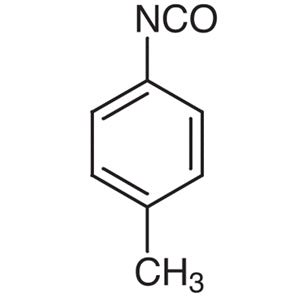
p-TolylIsocyanate TCI T0321
Regular price Rp 2.254.350,00Regular priceRp 1.576.050,00Sale price Rp 2.254.350,00 -
4-ButylphenylIsocyanate TCI B3205
Regular price Rp 1.087.800,00Regular priceRp 760.200,00Sale price Rp 1.087.800,00 -
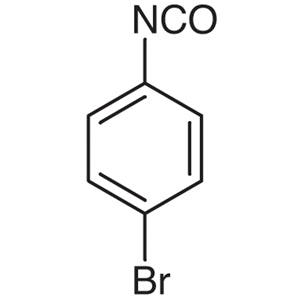
4-BromophenylIsocyanate TCI B0636
Regular price Rp 2.279.550,00Regular priceRp 1.593.900,00Sale price Rp 2.279.550,00 -
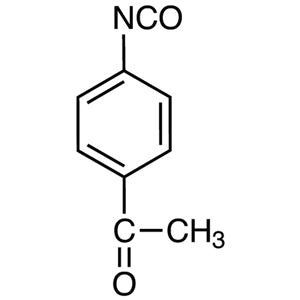
4-AcetylphenylIsocyanate TCI A2933
Regular price Rp 2.094.750,00Regular priceRp 1.464.750,00Sale price Rp 2.094.750,00 -
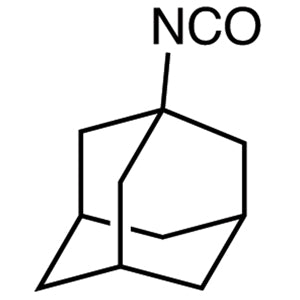
1-AdamantylIsocyanate TCI A1706
Regular price Rp 1.298.850,00Regular priceRp 908.250,00Sale price Rp 1.298.850,00 -
TrichloroacetylIsocyanate TCI T1047
Regular price Rp 769.650,00Regular priceRp 537.600,00Sale price Rp 769.650,00 -
p-ToluenesulfonylIsocyanate TCI T0998
Regular price Rp 582.750,00Regular priceRp 423.150,00Sale price Rp 582.750,00