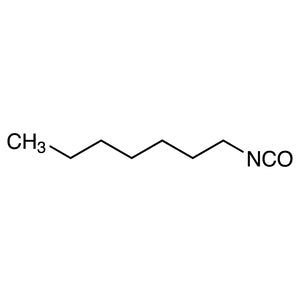
Heptyl Isocyanate (TCI I0505 4747-81-3) is a chemical compound widely used as a building block in organic synthesis. It serves as a fundamental reagent in the creation of complex organic molecules, playing a crucial role in the formation of carbon-nitrogen bonds. This compound is essential for researchers working in various fields, including pharmaceuticals, materials science, and organic chemistry. Its versatility makes it a valuable asset in laboratory settings where the development of new compounds is required.
Heptyl Isocyanate is known for its chemical stability under controlled conditions, although it is highly reactive towards water and oxidizing agents. Its volatility and sharp odor necessitate careful handling to ensure safety in the laboratory environment. Despite its reactivity, the compound's ability to participate in fast and efficient reactions makes it a preferred choice for synthetic chemists. Its reactivity and chemical properties allow it to be used in a wide range of applications, contributing to the advancement of chemical research.
In Indonesian laboratories, Heptyl Isocyanate is commonly used in organic chemistry research, particularly in the synthesis of complex molecular structures. It is also employed in the development of pharmaceutical compounds and industrial chemicals. Its widespread use in academic and research institutions highlights its importance in both educational and applied chemical studies. The compound's role in laboratory work underscores its significance in advancing scientific knowledge and innovation.
- Organic synthesis applications benefit from Heptyl Isocyanate due to its ability to form carbon-nitrogen bonds efficiently, enabling the creation of complex organic molecules.
- Pharmaceutical research utilizes this compound for the development of new drug compounds, as it contributes to the synthesis of active pharmaceutical ingredients.
- Material science applications rely on Heptyl Isocyanate for the production of polymers and specialty chemicals, enhancing the properties of synthetic materials.
- Educational laboratories use Heptyl Isocyanate to teach fundamental chemical reactions and synthesis techniques to students pursuing chemistry degrees.
- Industrial chemical production incorporates this compound for the manufacture of various chemical intermediates, supporting the production of commercial products.
| Brand | TCI |
|---|---|
| CAS number | 4747-81-3 |
| Molecular formula | — |
| Purity | — |
| Category | Chemistry > Building Blocks > Non-Heterocyclic Building Blocks |
| Pack sizes | Available in various quantities as per supplier specifications |
| Physical form | Liquid |
| Storage | Store in a cool, dry place away from moisture and oxidizing agents |
Heptyl Isocyanate should be stored in a cool, dry environment to maintain its chemical stability. It is recommended to keep the compound in sealed containers to prevent exposure to moisture and air, which can trigger unwanted reactions. Due to its volatility and reactivity, it should be handled in a well-ventilated area, preferably under a fume hood. Appropriate personal protective equipment, such as gloves and safety goggles, must be worn during handling. Avoid contact with water and oxidizing agents to ensure safety. Regular monitoring of storage conditions is essential to maintain the integrity of the compound and prevent potential hazards in the laboratory setting.
—
Produk Terkait
-
4-ButylphenylIsocyanate TCI B3205
Regular price From Rp 1.087.800,00Regular price -
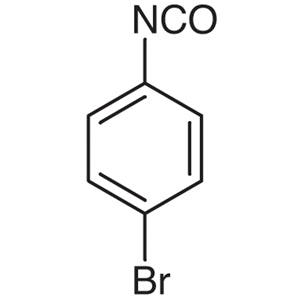
4-BromophenylIsocyanate TCI B0636
Regular price From Rp 2.279.550,00Regular price -
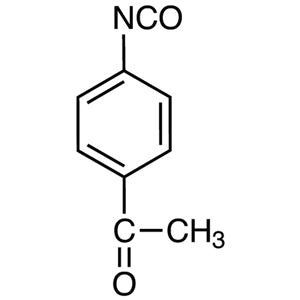
4-AcetylphenylIsocyanate TCI A2933
Regular price From Rp 2.094.750,00Regular price -
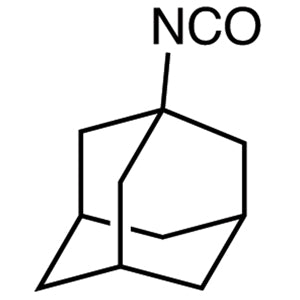
1-AdamantylIsocyanate TCI A1706
Regular price From Rp 1.298.850,00Regular price -
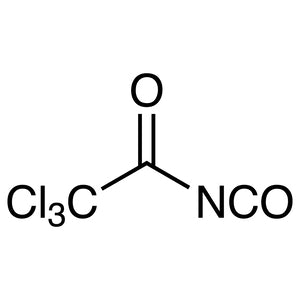
TrichloroacetylIsocyanate TCI T1047
Regular price From Rp 769.650,00Regular price -
p-ToluenesulfonylIsocyanate TCI T0998
Regular price Rp 530.250,00Regular price -
m-TolylIsocyanate TCI T0721
Regular price From Rp 1.776.600,00Regular price -
p-TolylIsocyanate TCI T0321
Regular price From Rp 2.254.350,00Regular price