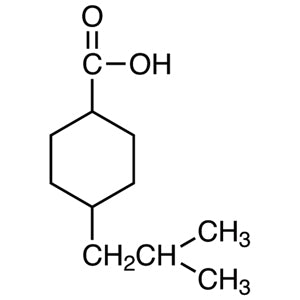
4-Isobutylcyclohexanecarboxylic Acid (cis- and trans- mixture) is a chemical compound widely used in laboratory settings for the synthesis of complex molecules. As a building block in organic chemistry, it serves as a versatile intermediate in various chemical reactions, enabling researchers to create compounds with specific structural features. This compound is commonly found in chemical laboratories as a foundational material, supporting the development of new substances through substitution, coupling, or structural modification reactions. Its molecular structure allows for diverse reactivity, making it a valuable resource in synthetic chemistry.
The compound's stability and reactivity make it a preferred choice for researchers. Its ability to participate in a wide range of chemical transformations, including esterification, amidation, and hydrogenation, enhances its utility in synthetic pathways. The cis- and trans- isomer mixture provides additional flexibility in reaction outcomes, allowing for the exploration of different stereochemical effects. These properties make it a reliable and effective reagent in both academic and industrial research environments.
In Indonesian laboratories, this compound is frequently used in organic chemistry research, particularly in pharmaceutical and materials science applications. Local researchers often employ it in the development of bioactive compounds or polymer-based materials. Its availability in solid form simplifies handling and storage, making it a practical choice for laboratory use in Indonesia.
Related TCI products
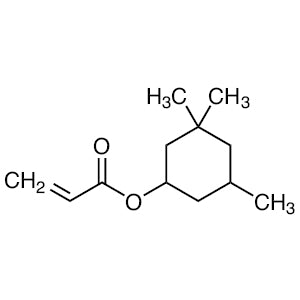
- TCI T3984 86178-38-3 3,3,5-Trimethylcyclohexyl Acrylate (cis- and trans- mixture) (stabilized with MEHQ)
- TCI T3033 52831-11-5 Trimethyl 1,3,5-Cyclohexanetricarboxylate (cis- and trans- mixture)
- TCI T3029 185855-30-5 Trimethyl 1,2,4-Cyclohexanetricarboxylate (cis- and trans- mixture)
- TCI T2827 54458-61-6 2,3,4,5-Tetramethylcyclopent-2-en-1-one (cis- and trans- mixture)
- TCI T2278 118-56-9 3,3,5-Trimethylcyclohexyl Salicylate (cis- and trans- mixture)
- TCI B3251 162046-58-4 4-(tert-Butoxycarbonylaminomethyl)cyclohexanecarboxylic Acid (cis- and trans- mixture)
- Organic synthesis applications benefit from this compound's versatility in creating complex molecular structures through various chemical reactions.
- Pharmaceutical research utilizes it for the development of bioactive compounds due to its ability to participate in structural modifications.
- Materials science applications leverage its chemical properties for the synthesis of polymer-based materials with specific functional groups.
- Analytical chemistry laboratories use it as a reference standard for spectroscopic and chromatographic analyses.
- Industrial research settings incorporate it into large-scale synthesis processes requiring stable and reactive intermediates.
| Brand | TCI |
|---|---|
| CAS number | 38792-88-0 |
| Molecular formula | — |
| Purity | — |
| Category | Chemistry > Building Blocks > Non-Heterocyclic Building Blocks |
| Pack sizes | Available in standard laboratory quantities |
| Physical form | Solid |
| Storage | Store in a cool, dry place away from light and moisture |
This compound should be stored in a cool, dry place, away from direct light and moisture to maintain its chemical stability. It is recommended to use airtight containers to prevent exposure to air and humidity, which could affect its integrity. Due to its chemical nature, it should be handled with appropriate personal protective equipment, such as gloves and safety goggles, to ensure laboratory safety. It is not classified as hazardous under standard conditions but should be treated with care during handling and disposal. Proper storage and handling practices help preserve its effectiveness and ensure safe use in laboratory environments.
—
Produk Terkait
-
3,3,5-TrimethylcyclohexylAcrylate(cis-andtrans-mixture)(stabilizedwithMEHQ) TCI T3984
Regular price From Rp 1.510.950,00Regular price -
Trimethyl1,3,5-Cyclohexanetricarboxylate(cis-andtrans-mixture) TCI T3033
Regular price From Rp 5.274.150,00Regular price -
Trimethyl1,2,4-Cyclohexanetricarboxylate(cis-andtrans-mixture) TCI T3029
Regular price From Rp 1.590.750,00Regular price -
2,3,4,5-Tetramethylcyclopent-2-en-1-one(cis-andtrans-mixture) TCI T2827
Regular price Rp 3.630.900,00Regular price -
3,3,5-TrimethylcyclohexylSalicylate(cis-andtrans-mixture) TCI T2278
Regular price From Rp 664.650,00Regular price -
4-(tert-Butoxycarbonylaminomethyl)cyclohexanecarboxylicAcid(cis-andtrans-mixture) TCI B3251
Regular price Rp 1.829.100,00Regular price -
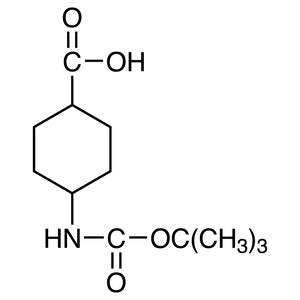
4-(tert-Butoxycarbonylamino)cyclohexanecarboxylicAcid(cis-andtrans-mixture) TCI B3248
Regular price From Rp 2.625.000,00Regular price -
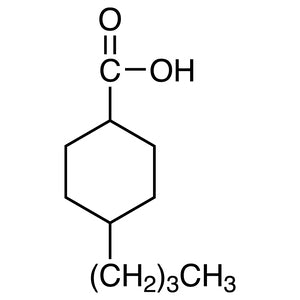
4-ButylcyclohexanecarboxylicAcid(cis-andtrans-mixture) TCI B2986
Regular price From Rp 4.213.650,00Regular price