4-(tert-Butoxycarbonylamino)cyclohexanecarboxylic Acid (cis- and trans- mixture) is a chemical compound widely used in organic synthesis reactions. It serves as a key building block in the development of complex molecules, including peptides, pharmaceuticals, and industrial chemicals. In laboratory settings, this compound acts as a versatile reagent that can be modified through specific chemical reactions to yield more intricate molecular structures. Its presence in research laboratories is essential for advancing synthetic chemistry and drug discovery processes.
The compound’s unique structure, featuring a tert-butoxycarbonyl (Boc) group, makes it highly reactive and suitable for protecting amino groups during peptide synthesis. This property allows it to be a preferred choice for chemists working on sensitive reactions where functional group protection is critical. Its stability under controlled conditions and compatibility with various reagents further enhance its utility in synthetic pathways. These characteristics make it a reliable and essential component in both academic and industrial research environments.
In Indonesian laboratories, this compound is commonly used by researchers and educational institutions for the development of new chemical compounds. Its application spans across organic chemistry, pharmaceutical research, and biochemical studies. The compound plays a vital role in the synthesis of complex molecules, contributing to advancements in drug development and chemical innovation within the region.
Related TCI products
- TCI B3253 27687-14-5 trans-4-(tert-Butoxycarbonylaminomethyl)cyclohexanecarboxylic Acid
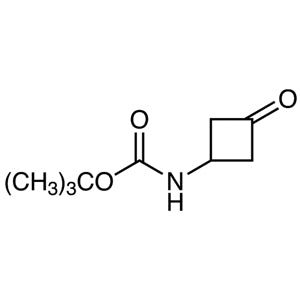
- TCI B4043 154748-49-9 3-(tert-Butoxycarbonylamino)-1-cyclobutanone
- TCI B3856 179321-49-4 4-(tert-Butoxycarbonylamino)cyclohexanone
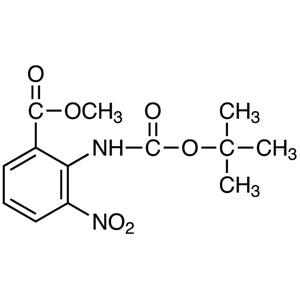
- TCI M2797 57113-90-3 Methyl 2-(tert-Butoxycarbonylamino)-3-nitrobenzoate
- TCI B3251 162046-58-4 4-(tert-Butoxycarbonylaminomethyl)cyclohexanecarboxylic Acid (cis- and trans- mixture)
- TCI B3250 53292-89-0 trans-4-(tert-Butoxycarbonylamino)cyclohexanecarboxylic Acid
- Peptide Synthesis: This compound is ideal for protecting amino groups during the synthesis of peptides, ensuring the integrity of the molecular structure during complex reactions.
- Pharmaceutical Research: It is frequently used in the development of new drugs, providing a stable intermediate for the synthesis of bioactive compounds.
- Organic Chemistry Studies: Its reactivity and structural versatility make it a valuable tool for exploring new synthetic pathways and molecular transformations.
- Industrial Chemical Production: The compound is used in the creation of various industrial chemicals, supporting the production of specialized materials and compounds.
- Biochemical Applications: It contributes to the synthesis of compounds relevant to biochemical processes, aiding in the study of biological systems and molecular interactions.
| Brand | TCI |
|---|---|
| CAS number | 130309-46-5 |
| Molecular formula | — |
| Purity | — |
| Category | Chemistry > Building Blocks > Non-Heterocyclic Building Blocks |
| Pack sizes | Available in various quantities as per standard laboratory supply |
| Physical form | Solid |
| Storage | Store in a cool, dry place away from moisture and direct sunlight |
This compound should be stored in a cool, dry environment to maintain its stability and prevent degradation. It is recommended to use airtight containers to protect it from moisture and contaminants. Due to its reactivity, it should be handled with care, using appropriate personal protective equipment such as gloves and safety goggles. It is important to ensure proper ventilation in the laboratory when working with this material. Avoid exposure to heat and direct light to preserve its chemical integrity. Regular monitoring of storage conditions will help maintain its effectiveness for laboratory applications.
—
Produk Terkait
-
trans-4-(tert-Butoxycarbonylaminomethyl)cyclohexanecarboxylicAcid TCI B3253
Regular price From Rp 1.563.450,00Regular priceRp 1.108.800,00Sale price From Rp 1.563.450,00 -
3-(tert-Butoxycarbonylamino)-1-cyclobutanone TCI B4043
Regular price Rp 1.140.300,00Regular priceRp 812.700,00Sale price Rp 1.140.300,00 -
4-(tert-Butoxycarbonylamino)cyclohexanone TCI B3856
Regular price From Rp 557.550,00Regular priceRp 405.300,00Sale price From Rp 557.550,00 -
Methyl2-(tert-Butoxycarbonylamino)-3-nitrobenzoate TCI M2797
Regular price From Rp 2.544.150,00Regular priceRp 1.794.450,00Sale price From Rp 2.544.150,00 -
4-(tert-Butoxycarbonylaminomethyl)cyclohexanecarboxylicAcid(cis-andtrans-mixture) TCI B3251
Regular price Rp 1.881.600,00Regular priceRp 1.331.400,00Sale price Rp 1.881.600,00 -
trans-4-(tert-Butoxycarbonylamino)cyclohexanecarboxylicAcid TCI B3250
Regular price From Rp 3.630.900,00Regular priceRp 2.554.650,00Sale price From Rp 3.630.900,00 -
cis-4-(tert-Butoxycarbonylamino)cyclohexanecarboxylicAcid TCI B3249
Regular price From Rp 3.498.600,00Regular priceRp 2.462.250,00Sale price From Rp 3.498.600,00 -
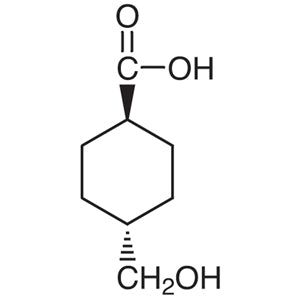
trans-4-(Hydroxymethyl)cyclohexanecarboxylicAcid TCI H1243
Regular price From Rp 3.260.250,00Regular priceRp 2.295.300,00Sale price From Rp 3.260.250,00