3-(tert-Butoxycarbonylamino)-1-cyclobutanone is a chemical compound widely used as a building block in the synthesis of complex molecules. It plays a crucial role in laboratory settings where the formation of cyclic structures or the combination of organic functionalities is required. This compound is essential for the development of pharmaceuticals, polymers, and industrial chemicals due to its versatile reactivity. Its presence in synthetic pathways allows for the creation of a wide range of derivatives, making it an indispensable tool in organic chemistry.
The compound's unique molecular structure, featuring a tert-butoxycarbonyl group, provides both stability and reactivity, making it a preferred choice for various chemical reactions. Its ability to undergo substitution, reduction, and bond-forming reactions enhances its utility in synthetic chemistry. Additionally, its solubility in organic solvents simplifies processing and isolation during experimental procedures. These properties ensure that it remains a reliable and efficient reagent in laboratory applications.
In Indonesian laboratories, this compound is extensively used in research and development activities. Its application spans across academic institutions and industrial laboratories, supporting the creation of new chemical compounds and materials. The compound's stability and reactivity make it suitable for a variety of experimental conditions, contributing to the advancement of chemical sciences in the region.
Related TCI products
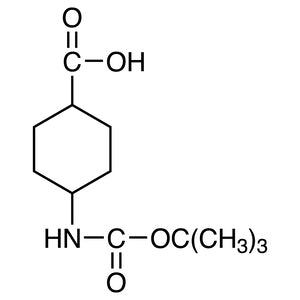
- TCI B3248 130309-46-5 4-(tert-Butoxycarbonylamino)cyclohexanecarboxylic Acid (cis- and trans- mixture)
- TCI B3856 179321-49-4 4-(tert-Butoxycarbonylamino)cyclohexanone
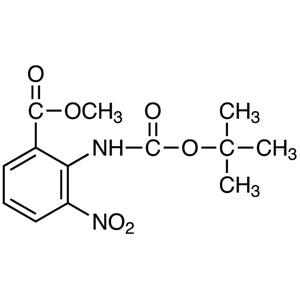
- TCI M2797 57113-90-3 Methyl 2-(tert-Butoxycarbonylamino)-3-nitrobenzoate
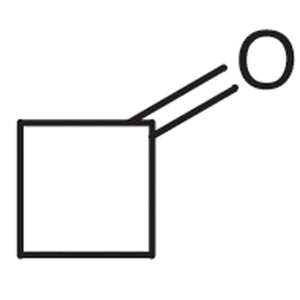
- TCI C1913 1191-95-3 Cyclobutanone (stabilized with Na2CO3)
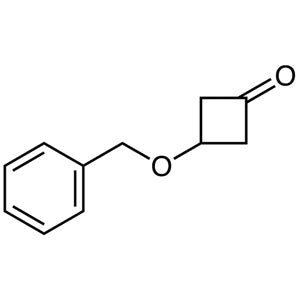
- TCI B6029 30830-27-4 3-(Benzyloxy)cyclobutanone
- TCI B3253 27687-14-5 trans-4-(tert-Butoxycarbonylaminomethyl)cyclohexanecarboxylic Acid
- Pharmaceutical research utilizes this compound for the synthesis of complex drug molecules due to its reactivity and structural versatility.
- Polymer science applications benefit from its ability to form stable cyclic structures, aiding in the development of new materials.
- Organic synthesis experiments rely on its capacity to undergo substitution and reduction reactions, enhancing synthetic pathways.
- Industrial chemical production leverages its stability and solubility for efficient processing and isolation of target compounds.
- Analytical chemistry uses it as a reference standard for testing and characterizing other organic compounds in complex mixtures.
| Brand | TCI |
|---|---|
| CAS number | 154748-49-9 |
| Molecular formula | — |
| Purity | — |
| Category | Chemistry > Building Blocks > Non-Heterocyclic Building Blocks |
| Pack sizes | Available in various quantities as per supplier specifications |
| Physical form | Solid or liquid depending on the specific product variant |
| Storage | Store in a cool, dry place away from moisture and direct sunlight |
This compound should be stored in a cool, dry environment to maintain its chemical stability. It is recommended to use airtight containers to prevent exposure to moisture and air, which can affect its reactivity. Proper ventilation is essential when handling the material to minimize inhalation risks. Laboratory personnel should wear appropriate personal protective equipment, such as gloves and safety goggles, to ensure safe handling. The compound should be kept away from incompatible substances to avoid any potential chemical reactions. Regular monitoring of storage conditions is advised to ensure the integrity of the material remains unaffected.
—
Produk Terkait
-
4-(tert-Butoxycarbonylamino)cyclohexanecarboxylicAcid(cis-andtrans-mixture) TCI B3248
Regular price From Rp 2.677.500,00Regular priceRp 1.887.900,00Sale price From Rp 2.677.500,00 -
4-(tert-Butoxycarbonylamino)cyclohexanone TCI B3856
Regular price From Rp 557.550,00Regular priceRp 405.300,00Sale price From Rp 557.550,00 -
Methyl2-(tert-Butoxycarbonylamino)-3-nitrobenzoate TCI M2797
Regular price From Rp 2.544.150,00Regular priceRp 1.794.450,00Sale price From Rp 2.544.150,00 -
Cyclobutanone(stabilizedwithNa2CO3) TCI C1913
Regular price From Rp 1.934.100,00Regular priceRp 1.368.150,00Sale price From Rp 1.934.100,00 -
3-(Benzyloxy)cyclobutanone TCI B6029
Regular price From Rp 928.200,00Regular priceRp 664.650,00Sale price From Rp 928.200,00 -
trans-4-(tert-Butoxycarbonylaminomethyl)cyclohexanecarboxylicAcid TCI B3253
Regular price From Rp 1.563.450,00Regular priceRp 1.108.800,00Sale price From Rp 1.563.450,00 -
trans-4-(tert-Butoxycarbonylamino)cyclohexanecarboxylicAcid TCI B3250
Regular price From Rp 3.630.900,00Regular priceRp 2.554.650,00Sale price From Rp 3.630.900,00 -
cis-4-(tert-Butoxycarbonylamino)cyclohexanecarboxylicAcid TCI B3249
Regular price From Rp 3.498.600,00Regular priceRp 2.462.250,00Sale price From Rp 3.498.600,00