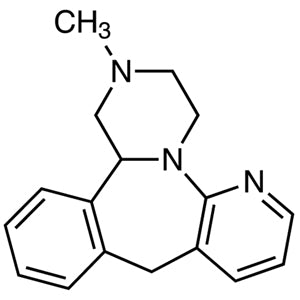
Imipramine Hydrochloride is a chemical compound widely used in pharmacological and biochemical research. As a tricyclic antidepressant, it plays a crucial role in experimental studies aimed at understanding the mechanisms of drug action on the nervous system. This compound is commonly employed in laboratory settings to investigate the effects of pharmaceutical agents on both animal models and human cells. Its relevance extends to the study of neurotransmitter interactions, particularly serotonin and norepinephrine, which are key in psychological and neurological conditions.
Imipramine Hydrochloride is valued for its chemical stability and solubility in organic solvents, making it a versatile reagent for various experimental techniques. Its crystalline form ensures consistent quality and ease of handling, which is essential for reproducible results in research. Additionally, the compound is relatively safe to handle when proper precautions are followed, allowing for its use in a wide range of laboratory applications without compromising safety standards.
In Indonesian laboratories, Imipramine Hydrochloride is frequently utilized in public health, pharmaceutical, and clinical psychology research. Its role in understanding mental health disorders and developing therapeutic strategies makes it an essential component in both academic and applied research settings. The availability of this compound supports the advancement of scientific knowledge and the development of new treatment approaches.
TCI brochures (PDF)
- Exosome Inhibitors 2025-09-05 · p. 1
- Neurotransmission Research Reagents 2026-07-17 · p. 1
- Pharmaceutical Ingredients for Research and Experimental Use 2026-03-09 · p. 27
- Pharmacological research for studying antidepressant mechanisms and neurotransmitter interactions.
- Biochemical experiments to analyze the effects of drugs on cellular and neuronal systems.
- Clinical psychology studies to explore the impact of antidepressants on mental health conditions.
- Toxicology testing to evaluate the safety and efficacy of pharmaceutical compounds.
- Neuropharmacology investigations to understand the role of neurotransmitters in neurological disorders.
| Brand | TCI |
|---|---|
| CAS number | 113-52-0 |
| Molecular formula | — |
| Purity | — |
| Category | Life Science > Biochemicals and Reagents > Pharmaceutical Research Reagents |
| Pack sizes | Available in standard laboratory quantities |
| Physical form | Dry crystal |
| Storage | Store in a cool, dry place away from moisture and heat |
Imipramine Hydrochloride should be stored in a cool, dry environment to maintain its chemical stability. It is recommended to use airtight containers to prevent exposure to moisture, which can affect its integrity. Proper ventilation is essential when handling the compound to minimize inhalation risks. Laboratory personnel should wear appropriate personal protective equipment, such as gloves and safety goggles, to ensure safe handling. The compound should be kept away from incompatible substances to avoid chemical reactions. Regular inspection of storage conditions is advised to ensure the material remains in optimal condition for experimental use.
References cited in the TCI brochure
- Jong Hyun Kim. Dissecting exosome inhibitors: therapeutic insights into small-molecule chemicals against cancer Experimental & Molecular Medicine, 2022. doi:10.1038/s12276-022-00898-7
Product Categories
- Biochemicals and ReagentsPharmaceutical Research Reagents (for Experimental Use)Neurotransmitter Agent Ingredients (for Research and Experimental Use)
- Biochemicals and Reagents
- Cell BiologyExosome ResearchExosome Inhibitors
- Pharmaceutical Development and Drug Discovery ResearchPharmaceutical Research Reagents (for Experimental Use)Neurotransmitter Agent Ingredients (for Research and Experimental Use)
Produk Terkait
-
ClomipramineHydrochloride TCI C3897
Regular price From Rp 1.565.550,00Regular price -
DesipramineHydrochloride TCI D6181
Regular price From Rp 4.531.800,00Regular price -
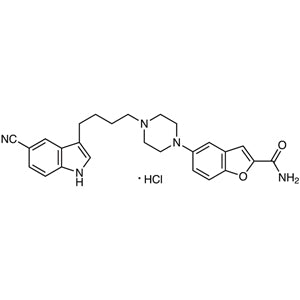
VilazodoneHydrochloride TCI V0149
Regular price Rp 2.757.300,00Regular priceRp 1.943.550,00Sale price Rp 2.757.300,00 -
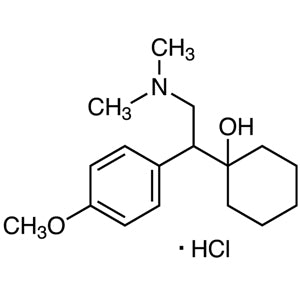
VenlafaxineHydrochloride TCI V0110
Regular price Rp 795.900,00Regular priceRp 572.250,00Sale price Rp 795.900,00 -
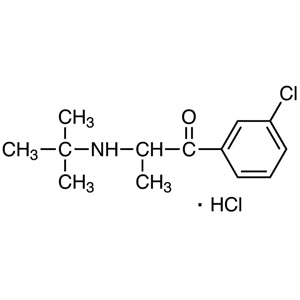
BupropionHydrochloride TCI B3649
Regular price From Rp 2.518.950,00Regular price -
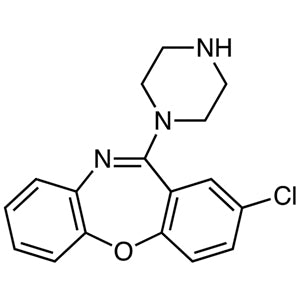
Amoxapine TCI A2499
Regular price Rp 3.180.450,00Regular price -
Aripiprazole TCI A2496
Regular price From Rp 1.670.550,00Regular price -
Mirtazapine TCI M2151
Regular price From Rp 2.491.650,00Regular price