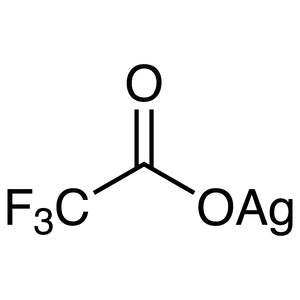
Silver(I) Trifluoroacetate (TCI I1171), with the CAS number 2966-50-9, is a chemical compound widely used in organic and chemical synthesis. It is a versatile reagent that plays a crucial role in various laboratory processes, particularly in reactions requiring high reactivity and specificity. This compound is composed of the silver ion (Ag⁺) bound to the trifluoroacetate ion (CF₃COO⁻), making it an essential component in both analytical and synthetic chemistry applications. Its unique chemical structure allows it to participate in substitution and redox reactions, contributing to the development of complex organic molecules.
The chemical properties of Silver(I) Trifluoroacetate make it a preferred choice in laboratory settings. Its stability under certain conditions, combined with its reactivity towards water and polar compounds, provides a balance that is ideal for controlled chemical reactions. The presence of fluorine in its structure significantly affects its solubility, distinguishing it from conventional inorganic compounds. This unique solubility profile enhances its utility in reactions where precise control over reactivity and solubility is required. Additionally, its ability to influence acid-base reactions makes it a valuable tool in a variety of synthetic pathways.
In Indonesian laboratories, Silver(I) Trifluoroacetate is commonly used in organic chemistry research, particularly in academic and research institutions. It is frequently employed in the synthesis of complex organic compounds and in analytical procedures that require high reactivity and specificity. Its role in both educational and industrial research settings underscores its importance as a fundamental reagent in chemical experimentation.
- Organic synthesis reactions benefit from Silver(I) Trifluoroacetate due to its reactivity and ability to facilitate substitution and redox processes.
- Analytical chemistry applications utilize this compound for its unique solubility and reactivity properties, aiding in the detection and analysis of various chemical compounds.
- Research in fluorinated compounds often incorporates Silver(I) Trifluoroacetate because of its fluorine content, which influences chemical stability and reactivity.
- Educational institutions use it as a teaching tool to demonstrate complex chemical reactions and the role of reagents in synthetic pathways.
- Industrial chemical processes leverage its properties for the production of specialized organic compounds requiring controlled reactivity and solubility.
| Brand | TCI |
|---|---|
| CAS number | 2966-50-9 |
| Molecular formula | — |
| Purity | — |
| Category | Chemistry > Building Blocks > Fluorinated Building Blocks |
| Pack sizes | Available in various quantities as per standard supplier offerings |
| Physical form | Solid powder or crystalline form, depending on the batch |
| Storage | Store in a cool, dry place away from moisture and direct sunlight |
Silver(I) Trifluoroacetate should be stored in a cool, dry environment to maintain its chemical stability. It is recommended to use airtight containers to prevent exposure to moisture and air, as it is highly reactive towards water and polar substances. Proper labeling of storage containers is essential to ensure safe handling and prevent accidental contamination. In laboratory settings, it should be kept away from incompatible materials such as strong bases and oxidizing agents. Regular monitoring of storage conditions is advised to ensure the compound remains in optimal condition for use. Always wear appropriate personal protective equipment, including gloves and safety goggles, when handling this material.
—
Produk Terkait
-
TCI B5774 5,10-Bis(4,4,5,5-tetramethyl-1,3,2-dioxaborolan-2-yl)naphtho[1,2-c:5,6-c']bis([1,2,5]oxadiazole)
Regular price Rp 10.255.350,00Regular price -
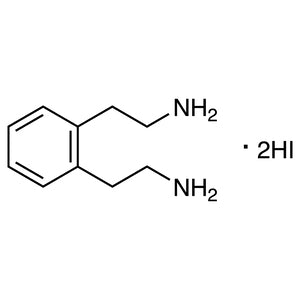
Dihydroiodide TCI B6569
Regular price From Rp 1.936.200,00Regular price -
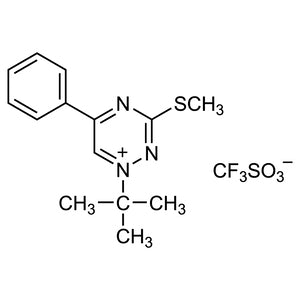
Trifluoromethanesulfonate TCI B7003
Regular price From Rp 1.936.200,00Regular price
![5,10-Bis(4,4,5,5-tetramethyl-1,3,2-dioxaborolan-2-yl)naphtho[1,2-c:5,6-c']bis([1,2,5]oxadiazole) - TCI B5774 - AMI Scientific](http://amiscientific.com/cdn/shop/files/TCI2510B5774.jpg?v=1769180228&width=533)