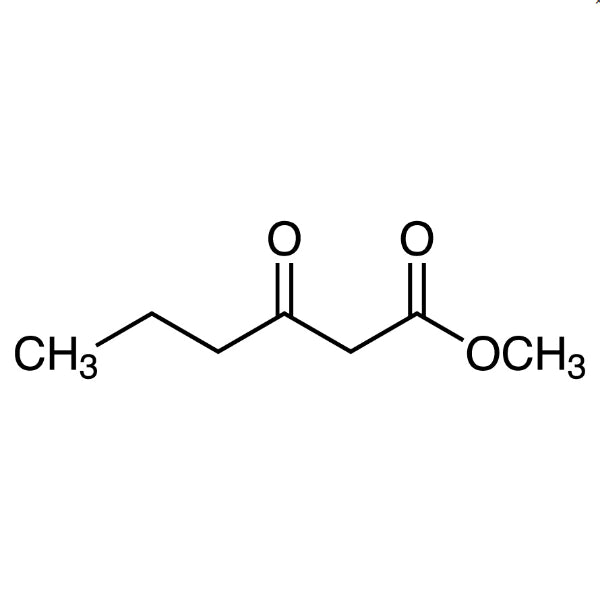

Methyl 3-Oxohexanoate is a chemical compound widely used in laboratory settings for its versatility in biochemical and chemical experiments. As a member of the lipid category, it plays a crucial role in research related to lipid metabolism, organic synthesis, and the analysis of biological components. Its molecular structure contributes to its functionality in various scientific processes, making it an essential reagent for researchers in life sciences. This compound is commonly used as a building block for the synthesis of other compounds or as a reagent in specific chemical reactions, supporting a wide range of experimental needs.
The compound exhibits stable chemical properties, which make it a preferred choice in laboratory applications. It is capable of participating in key reactions such as esterification, hydrolysis, and redox reactions. Its resistance to spontaneous reactions ensures safety and reliability in controlled environments. Additionally, its liquid form facilitates ease of handling and use, which is particularly beneficial in high-precision laboratory settings. These characteristics contribute to its popularity among scientists working in various fields of chemistry and biochemistry.
In Indonesian laboratories, Methyl 3-Oxohexanoate is frequently utilized in biochemical, pharmaceutical, and organic chemistry research. Local researchers employ it for studies on lipid metabolism, drug development, and the chemical analysis of natural products. Its availability and reliability make it a valuable resource for academic and industrial research in Indonesia, supporting both fundamental and applied scientific investigations.
TCI brochures (PDF)
- Lipids 2025-12-17 · p. 8
Related TCI products
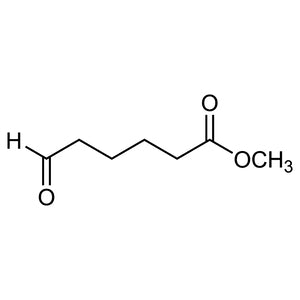
- TCI M3890 6654-36-0 Methyl 6-Oxohexanoate
- TCI K0030 3249-68-1 Ethyl 3-Oxohexanoate
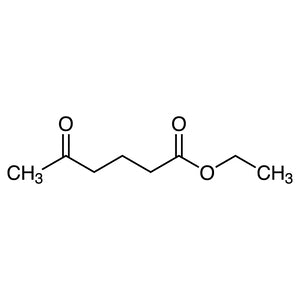
- TCI O0638 13984-57-1 Ethyl 5-Oxohexanoate
- TCI B1465 25542-62-5 Ethyl 6-Bromohexanoate
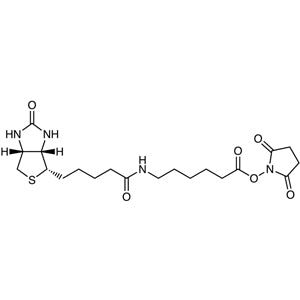
- TCI S0956 89889-52-1 N-Succinimidyl N-[6-(Biotinamido)hexanoyl]-6-aminohexanoate
- TCI S0490 72040-63-2 N-Succinimidyl 6-Biotinamidohexanoate
- Biochemical Research: Methyl 3-Oxohexanoate is ideal for studying lipid metabolism and metabolic pathways due to its structural similarity to natural lipids.
- Organic Synthesis: Its reactivity in esterification and redox reactions makes it a valuable reagent for synthesizing complex organic compounds.
- Pharmaceutical Development: It is used in the formulation and testing of new drug compounds, particularly in lipid-based drug delivery systems.
- Analytical Chemistry: The compound is useful in chromatographic and spectroscopic analyses for identifying and quantifying lipid components in biological samples.
- Natural Product Analysis: It aids in the chemical analysis of natural products, helping researchers understand their composition and potential applications.
| Brand | TCI |
|---|---|
| CAS number | 30414-54-1 |
| Molecular formula | — |
| Purity | — |
| Category | Life Science > Biochemicals and Reagents > Lipids |
| Pack sizes | Available in various quantities as per standard laboratory requirements |
| Physical form | Liquid |
| Storage | Store in a cool, dry place away from direct sunlight and incompatible materials |
Methyl 3-Oxohexanoate should be stored in a cool, dry environment, away from direct sunlight and sources of heat. It is recommended to keep the compound in a tightly sealed container to prevent exposure to air and moisture. Due to its liquid form, it is best stored in glass or high-density polyethylene containers that are resistant to chemical degradation. In laboratory settings, it should be handled with care, using appropriate personal protective equipment such as gloves and safety goggles. Regular monitoring of storage conditions is essential to maintain the compound's stability and ensure safe usage in experimental procedures.
—
Product Categories
Produk Terkait
-
Methyl6-Oxohexanoate TCI M3890
Regular price Rp 3.260.250,00Regular price -
Ethyl3-Oxohexanoate TCI K0030
Regular price From Rp 717.150,00Regular price -
Ethyl5-Oxohexanoate TCI O0638
Regular price From Rp 1.565.550,00Regular price -
Ethyl6-Bromohexanoate TCI B1465
Regular price From Rp 2.359.350,00Regular price -
N-SuccinimidylN-[6-(Biotinamido)hexanoyl]-6-aminohexanoate TCI S0956
Regular price From Rp 3.763.200,00Regular price -
N-Succinimidyl6-Biotinamidohexanoate TCI S0490
Regular price From Rp 1.378.650,00Regular price -
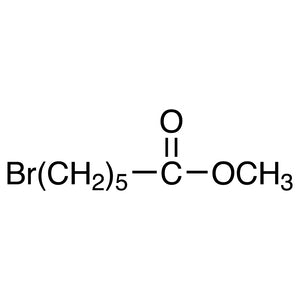
Methyl6-Bromohexanoate TCI M3508
Regular price Rp 1.829.100,00Regular price -
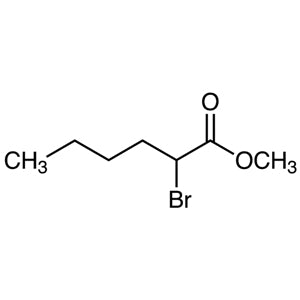
Methyl2-Bromohexanoate TCI M2378
Regular price Rp 610.050,00Regular price


![89889-52-1 N-Succinimidyl N-[6-(Biotinamido)hexanoyl]-6-aminohexanoate - AMI Scientific](http://amiscientific.com/cdn/shop/files/TCI2510S0956.jpg?v=1767139205&width=533)