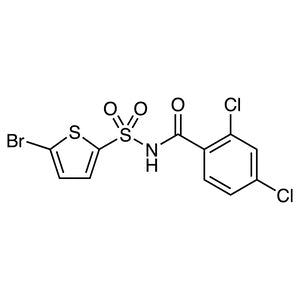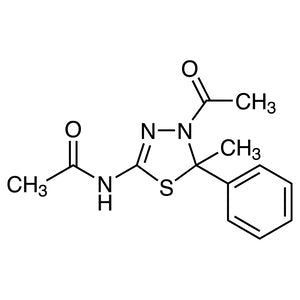
TCI K0076, also known as K 858, is a small-molecule chemical compound supplied as a research reagent for cell biology work, with particular relevance to studies of cell division and apoptosis. The compound is described in the scientific literature as an inhibitor of the mitotic kinesin Eg5, also referred to as the kinesin spindle protein — the motor protein responsible for assembling a bipolar mitotic spindle. When this protein is inhibited, cells fail to organise the spindle normally, become arrested in mitosis, and a substantial proportion ultimately enter the programmed cell death pathway. Its principal role in the laboratory is therefore as a pharmacological tool for dissecting the mechanisms of the cell cycle.
The characteristic that leads researchers to select K 858 is its mode of action: it addresses a mitotic target without interacting directly with microtubules in the manner of classical antimicrotubule agents. This mechanistic distinction matters a great deal to investigators, because it allows effects arising specifically from disruption of the mitotic spindle to be separated from the general effects of perturbing the microtubule network throughout the cell. As a synthetic small molecule, the compound dissolves readily in the organic solvents commonly used in cell culture and can be added directly to culture medium, giving the experimenter control over both dose and exposure time.
In Indonesian laboratories, the compound is used in the same way as in any cell biology setting: prepared as a concentrated stock in an appropriate organic solvent, diluted into culture medium, and applied to cultured cells over a defined exposure window. It is typically found in university research groups, biomedical institutes, and pharmacology laboratories where cell cycle behaviour, mitotic arrest, and apoptosis induction are being investigated under controlled culture conditions.
- Mitotic spindle research: the compound targets the Eg5 kinesin directly, so bipolar spindle assembly can be disrupted and examined without simultaneously altering the wider microtubule network of the cell.
- Cell cycle arrest studies: because inhibition of the kinesin spindle protein prevents normal spindle formation, treated cell populations accumulate in mitosis and provide a workable model of mitotic arrest.
- Apoptosis investigation: cells that remain arrested in mitosis frequently proceed into programmed cell death, making this reagent useful for studying how mitotic failure is linked to apoptotic outcomes.
- Mechanism-of-action comparison: researchers use it alongside classical antimicrotubule agents to distinguish spindle-specific effects from the broader cellular consequences of disturbing microtubules everywhere.
- Dose and exposure-time experiments: as a synthetic small molecule soluble in common organic solvents, it can be added straight to culture medium at precisely controlled concentrations and treatment durations.
| Brand | TCI |
|---|---|
| CAS number | 72926-24-0 |
| Molecular formula | — |
| Purity | — |
| Category | Life Science > Cell Biology > Apoptosis |
| Pack sizes | please refer to the current TCI packaging options for this catalogue number |
| Physical form | synthetic small-molecule compound, soluble in organic solvents commonly used in cell culture |
| Storage | store according to the conditions stated on the manufacturer's label and safety data sheet |
- Catalogue reference: K0076 (also designated K 858)
Store the compound under the conditions specified on the manufacturer's label and accompanying safety data sheet, keeping the container tightly closed and protected from moisture. Original supplier packaging or a clean, chemically compatible vial with a secure closure is appropriate; stock solutions prepared in organic solvent should be kept in sealed, clearly labelled containers. Handle the material as a research chemical: work in a well-ventilated area or fume hood when weighing the solid, wear gloves, a laboratory coat, and eye protection, and avoid inhalation of dust or contact with skin and eyes. Because this reagent affects cell division, treat it and all treated cultures as biologically active material, restrict use to trained personnel, and dispose of residues and contaminated consumables through the laboratory's established chemical waste route. This product is intended for research use only and is not for diagnostic or therapeutic application.
—
Produk Terkait
-
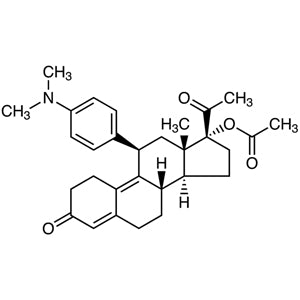
UlipristalAcetate TCI U0102
Regular price From Rp 5.062.050,00Regular price -
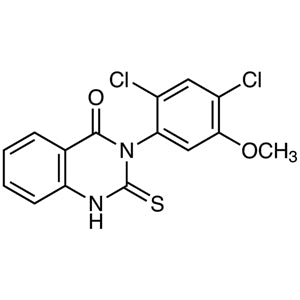
Mdivi-1 TCI M3108
Regular price From Rp 3.367.350,00Regular price -
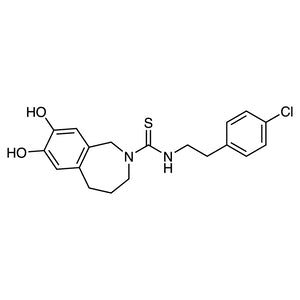
Capsazepine TCI C3923
Regular price Rp 3.870.300,00Regular price -
C-DIM12 TCI C3467
Regular price Rp 8.322.300,00Regular price -
BaohuosideI TCI B6443
Regular price Rp 7.712.250,00Regular price -
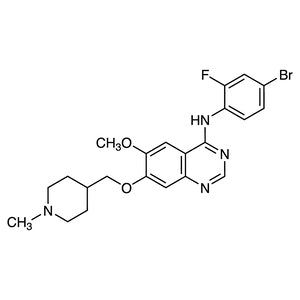
Vandetanib TCI V0199
Regular price From Rp 2.121.000,00Regular price -
UrsodeoxycholicAcid TCI U0030
Regular price Rp 1.115.100,00Regular price -
Tasisulam TCI T4183
Regular price Rp 3.870.300,00Regular price