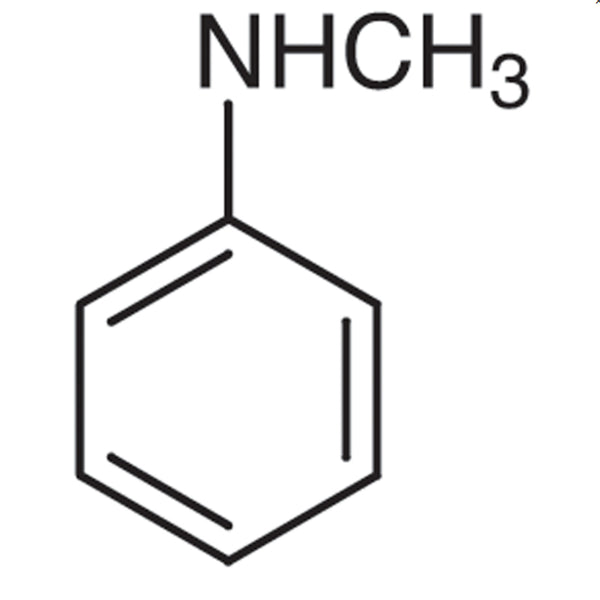
N-Methylaniline (CAS No. 100-61-8) is a versatile chemical compound widely used in laboratory settings for various synthetic reactions. As a fundamental building block in organic chemistry, it plays a crucial role in the synthesis of complex organic molecules. Its reactivity and chemical stability make it an essential reagent for researchers working in diverse fields such as pharmaceutical development, industrial chemistry, and materials science. This compound is particularly valuable for its ability to participate in a wide range of chemical transformations, including substitution, condensation, and other reactions requiring primary amines.
The properties of N-Methylaniline, including its reactivity with acids, bases, and oxidizing agents, make it a preferred choice for many laboratory applications. Its simple molecular structure allows for easy modification, enabling the creation of more complex compounds. Additionally, its volatility and tendency to evaporate require careful handling and storage. These characteristics, combined with its chemical versatility, make it an indispensable tool for chemists and researchers seeking to develop new compounds and materials.
In Indonesian laboratories, N-Methylaniline is commonly used in organic chemistry research, drug development, and industrial chemical production. Its relevance is particularly evident in the growing demand for chemical research and development in the region. As a key component in the synthesis of aromatic compounds and pharmaceuticals, it supports both academic and industrial research efforts in Indonesia.
- Organic synthesis applications benefit from N-Methylaniline's reactivity and ability to form various derivatives, making it ideal for creating complex organic molecules.
- Pharmaceutical research utilizes this compound as a building block for synthesizing active pharmaceutical ingredients, supporting drug development efforts.
- Industrial chemical production relies on N-Methylaniline for the creation of aromatic compounds and other chemical intermediates required in manufacturing processes.
- Aromatic compound synthesis benefits from its ability to participate in substitution and condensation reactions, enhancing the diversity of chemical products.
- Research in materials science uses N-Methylaniline to develop new polymers and functional materials through controlled chemical reactions.
| Brand | TCI |
|---|---|
| CAS number | 100-61-8 |
| Molecular formula | — |
| Purity | — |
| Category | Chemistry > Building Blocks > Non-Heterocyclic Building Blocks |
| Pack sizes | — |
| Physical form | Liquid |
| Storage | Requires cool, dry, and well-ventilated storage away from heat and direct sunlight. |
N-Methylaniline should be stored in a cool, dry, and well-ventilated area, away from heat and direct sunlight. It is recommended to use sealed containers made of materials compatible with its chemical properties, such as glass or polyethylene. Due to its volatility, it is essential to handle the compound in a fume hood to minimize exposure. Proper personal protective equipment, including gloves and safety goggles, should be worn during handling. Regular monitoring of storage conditions is necessary to ensure the compound remains stable and safe for use in laboratory settings.
—
Produk Terkait
-
2-Bromo-5-methylaniline TCI B4507
Regular price From Rp 980.700,00Regular price -
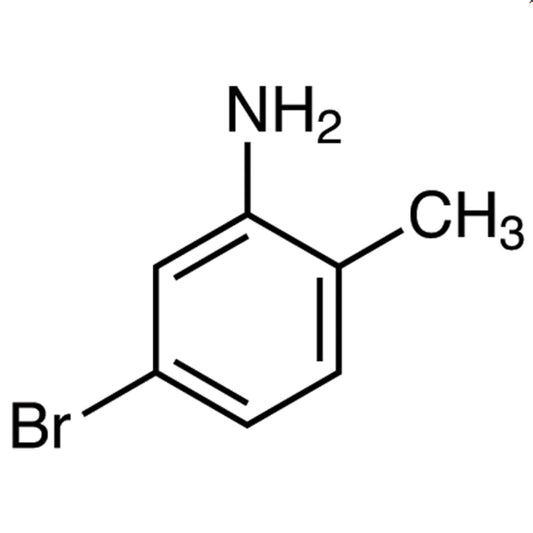
5-Bromo-2-methylaniline TCI B3687
Regular price From Rp 530.250,00Regular price -
3-Bromo-2-methylaniline TCI B3482
Regular price From Rp 3.021.900,00Regular price -
3-Bromo-4-methylaniline TCI B2354
Regular price From Rp 1.167.600,00Regular price -
4-Bromo-3-methylaniline TCI B1990
Regular price From Rp 689.850,00Regular price -
4-Bromo-2-methylaniline TCI B1281
Regular price Rp 1.378.650,00Regular price -
2-Bromo-4-methylaniline TCI B0540
Regular price From Rp 664.650,00Regular price -
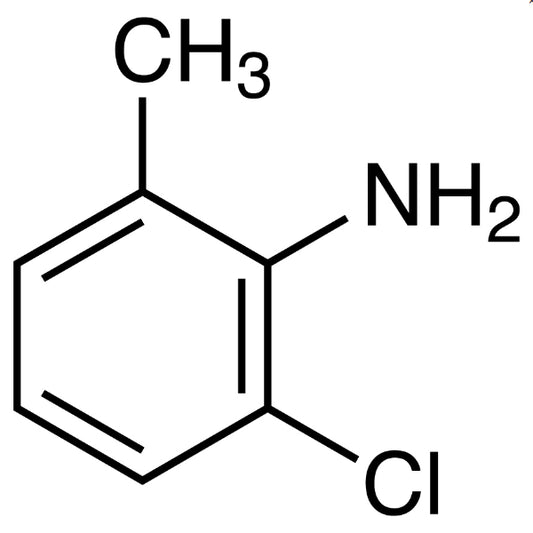
2-Chloro-6-methylaniline TCI A1959
Regular price From Rp 1.431.150,00Regular price