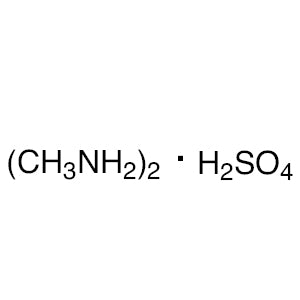
Methylamine Sulfate is a chemical compound widely used in laboratory settings, particularly in organic synthesis reactions. As a sulfate salt of methylamine, it serves as a versatile reagent in various chemical processes. Its simple molecular structure plays a crucial role in the formation of more complex organic compounds. This compound is commonly employed in laboratory experiments where the presence of ammonium ions is required, making it an essential building block in chemical synthesis. Due to its reactivity and solubility, it is frequently used in both academic and industrial research environments.
The properties of Methylamine Sulfate make it a preferred choice for laboratory use. It is highly soluble in water, which facilitates its use in aqueous reaction systems. Its stability under normal conditions ensures that it remains effective over time when stored properly. Additionally, its high melting point allows it to be used in experiments requiring elevated temperatures. These characteristics contribute to its reliability and ease of handling in a laboratory setting, making it a go-to reagent for chemists.
In Indonesian laboratories, Methylamine Sulfate is commonly used in educational institutions and research facilities. It is an essential component in the study of organic chemistry, particularly in the synthesis of heterocyclic compounds and in substitution reactions. Its availability and reliability have made it a standard reagent in many laboratories across Indonesia, supporting both teaching and research activities.
Related TCI products
- TCI T3614 75-50-3 Trimethylamine (ca. 8% in Toluene, ca. 1mol/L)
- TCI T2893 75-50-3 Trimethylamine (ca. 25% in Isopropyl Alcohol, ca. 3mol/L)
- TCI T1992 2217-40-5 1,2,3,4-Tetrahydro-1-naphthylamine
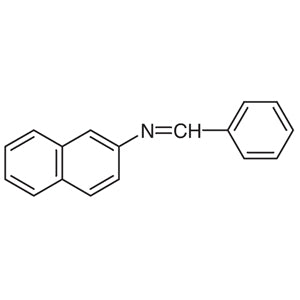
- TCI B0261 891-32-7 Benzylidene-2-naphthylamine
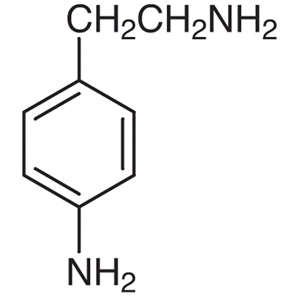
- TCI A1509 13472-00-9 2-(4-Aminophenyl)ethylamine
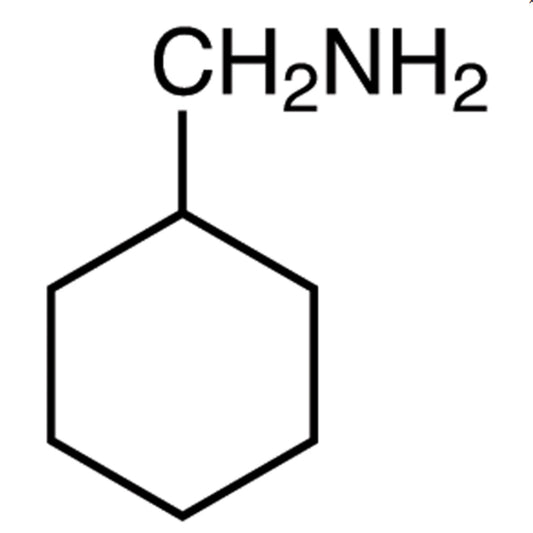
- TCI A1114 3218-02-8 Cyclohexanemethylamine
- Organic synthesis reactions benefit from Methylamine Sulfate as it provides a source of ammonium ions, essential for forming complex organic structures.
- Heterocyclic compound synthesis often utilizes this reagent due to its ability to participate in nucleophilic substitution reactions.
- Aqueous reaction systems rely on its high water solubility, making it ideal for preparing and maintaining reaction mixtures.
- Educational laboratories use it to teach fundamental concepts in organic chemistry and reaction mechanisms.
- Industrial research applications incorporate it for developing new chemical products and optimizing synthetic pathways.
| Brand | TCI |
|---|---|
| CAS number | 33689-83-7 |
| Molecular formula | — |
| Purity | — |
| Category | Chemistry > Building Blocks > Non-Heterocyclic Building Blocks |
| Pack sizes | Available in various sizes as per supplier specifications |
| Physical form | Solid powder |
| Storage | Store in a cool, dry place away from moisture and direct sunlight |
Methylamine Sulfate should be stored in a cool, dry environment to maintain its stability and prevent degradation. It is recommended to use airtight containers to protect it from moisture and humidity. Since it is a solid powder, it should be kept in a container that minimizes exposure to air and contaminants. Laboratory personnel should handle it with care, using appropriate personal protective equipment when necessary. Avoid storing it near incompatible materials to ensure safety. Proper storage conditions help preserve its chemical integrity and ensure its effectiveness in laboratory applications.
—
Produk Terkait
-
Trimethylamine(ca.8%inToluene,ca.1mol/L) TCI T3614
Regular price Rp 1.087.800,00Regular price -
Trimethylamine(ca.25%inIsopropylAlcohol,ca.3mol/L) TCI T2893
Regular price From Rp 717.150,00Regular price -
1,2,3,4-Tetrahydro-1-naphthylamine TCI T1992
Regular price From Rp 1.565.550,00Regular price -
Benzylidene-2-naphthylamine TCI B0261
Regular price Rp 3.100.650,00Regular price -
2-(4-Aminophenyl)ethylamine TCI A1509
Regular price From Rp 1.087.800,00Regular price -
Cyclohexanemethylamine TCI A1114
Regular price From Rp 2.942.100,00Regular price -
5,6,7,8-Tetrahydro-1-naphthylamine TCI A0995
Regular price From Rp 2.571.450,00Regular price -
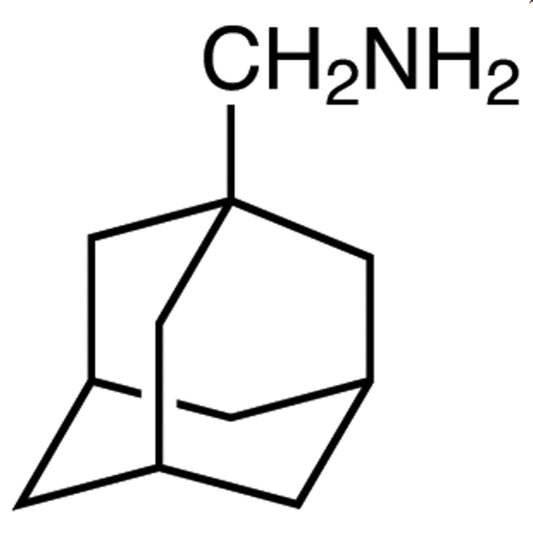
1-Adamantanemethylamine TCI A0721
Regular price From Rp 3.896.550,00Regular price