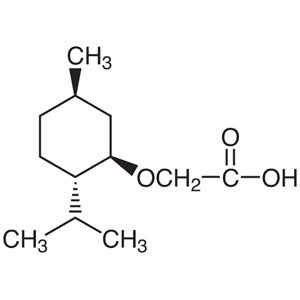
(-)-Menthoxyacetic Acid is a chiral compound widely used in asymmetric synthesis to construct molecules with optical activity. It plays a crucial role in the development of compounds with specific biological activities, making it an essential tool in modern chemical research. This compound is particularly valuable for its ability to introduce chirality into molecular structures, which is vital for creating enantiomerically pure substances. Its use spans various scientific disciplines, including pharmaceutical and biochemical research, where precise control over molecular configuration is required.
The compound is known for its solubility in organic solvents such as ethyl acetate and acetone, which simplifies its handling and incorporation into synthetic processes. Its chemical stability and compatibility with a range of functional groups make it a preferred choice for chemists working on complex organic transformations. These properties contribute to its widespread use in laboratory settings where reproducibility and accuracy are paramount.
In Indonesian laboratories, (-)-Menthoxyacetic Acid is commonly used in pharmaceutical and organic chemistry research. It is an integral part of experiments aimed at developing new drugs and bioactive compounds. Its role in creating enantiomerically pure products aligns with the growing demand for chiral compounds in both academic and industrial research. The compound’s reliability and performance make it a trusted material for researchers in Indonesia.
- Asymmetric synthesis is a key application where (-)-Menthoxyacetic Acid is used to introduce chirality into target molecules, enabling the production of enantiomerically pure compounds.
- Pharmaceutical research benefits from its use in the development of bioactive compounds, where precise stereochemistry is essential for drug efficacy and safety.
- Organic chemistry experiments rely on its solubility and reactivity to facilitate the synthesis of complex molecules with controlled stereochemistry.
- Biochemical studies utilize it to create chiral intermediates that are crucial for understanding enzyme mechanisms and molecular interactions.
- Industrial chemical processes incorporate it for the production of specialty chemicals requiring strict stereochemical control.
| Brand | TCI |
|---|---|
| CAS number | 40248-63-3 |
| Molecular formula | — |
| Purity | — |
| Category | Chemistry > Asymmetric Synthesis > Chiral Building Blocks |
| Pack sizes | Available in various quantities as per standard chemical supply practices |
| Physical form | Solid, crystalline appearance |
| Storage | Store in a cool, dry place away from light and moisture |
(-)-Menthoxyacetic Acid should be stored in a cool, dry environment to maintain its chemical integrity. It is recommended to keep the compound in a tightly sealed container to prevent exposure to moisture and air. Due to its organic nature, it is best stored in airtight glass or plastic containers that are resistant to chemical degradation. Laboratory personnel should handle the compound with care, using appropriate personal protective equipment such as gloves and safety goggles. It is important to ensure that the compound is not exposed to direct sunlight or high humidity, as these conditions can affect its stability and purity. Proper storage practices help preserve the compound’s effectiveness and ensure safe handling in the laboratory.
—
Product Categories
Produk Terkait
-
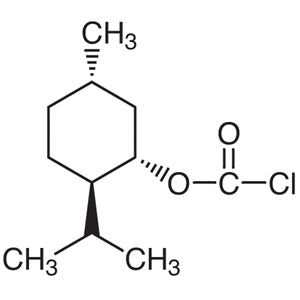
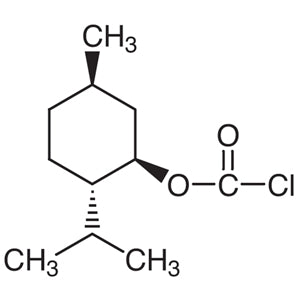
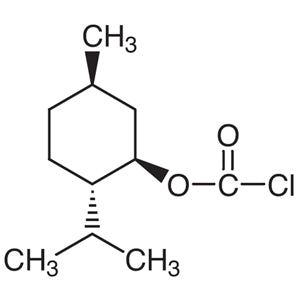
(+)-MenthylChloroformate TCI M1221
Regular price From Rp 1.510.950,00Regular price -
(-)-MenthylChloroformate TCI M0990
Regular price From Rp 2.199.750,00Regular price -
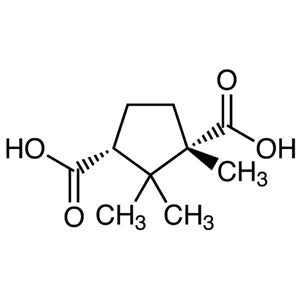
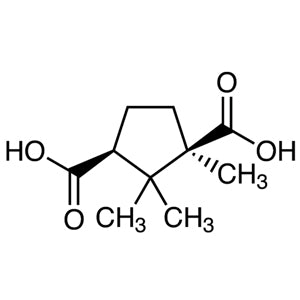
(1S,3R)-(-)-CamphoricAcid TCI C3237
Regular price Rp 4.664.100,00Regular price -
(+)-CamphoricAcid TCI C0012
Regular price From Rp 1.220.100,00Regular price -
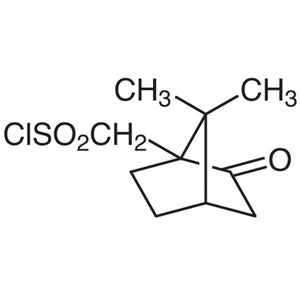
(-)-10-CamphorsulfonylChloride TCI C1308
Regular price From Rp 1.829.100,00Regular price -
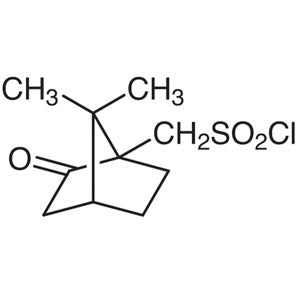
(+)-10-CamphorsulfonylChloride TCI C0998
Regular price From Rp 1.087.800,00Regular price -
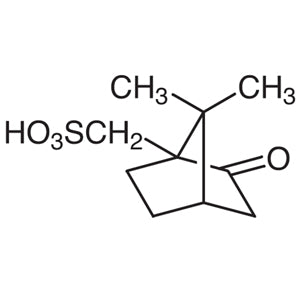
(-)-10-CamphorsulfonicAcid TCI C0972
Regular price From Rp 1.298.850,00Regular price -
(+)-10-CamphorsulfonicAcid TCI C0015
Regular price From Rp 795.900,00Regular price