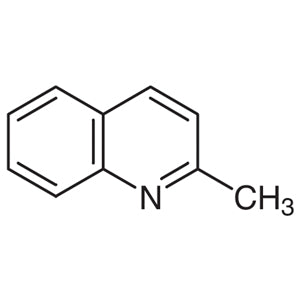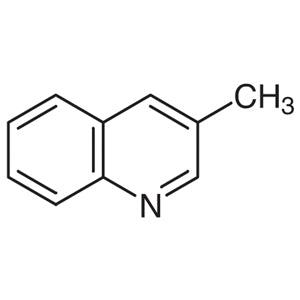
3-Methylquinoline is a chemical compound belonging to the heterocyclic category, featuring a quinoline core with a methyl group substituted at the C3 position. This compound plays a crucial role in laboratory settings, particularly in organic chemistry and pharmaceutical research. It serves as a fundamental building block for the synthesis of complex molecules, including bioactive compounds and pharmaceutical agents. Its presence in laboratory workflows supports the development of new drugs and chemical materials through controlled and stable chemical reactions.
The chemical properties of 3-Methylquinoline make it a preferred choice for synthetic chemists. It exhibits moderate acidity and the ability to form stable bonds with various reagents, enhancing its versatility in chemical reactions. Its solubility in organic solvents such as ethyl acetate and ethanol further simplifies its use in laboratory processes. These characteristics allow it to be effectively utilized in substitution and oxidation reactions, contributing to the efficiency of chemical synthesis.
In Indonesian laboratories, 3-Methylquinoline is widely used in organic chemistry research. It is a key component in the synthesis of heterocyclic compounds and is frequently employed in academic and industrial research settings. Its reliability and chemical stability make it a valuable resource for scientists working on drug discovery and chemical innovation.
- Organic synthesis applications benefit from 3-Methylquinoline's stable structure and reactivity, enabling the creation of complex molecules with high precision.
- Pharmaceutical research utilizes this compound as a building block for developing new drugs, leveraging its ability to form stable chemical bonds.
- Heterocyclic compound synthesis relies on 3-Methylquinoline due to its quinoline core, which is essential for creating diverse chemical structures.
- Industrial chemical production incorporates this compound for its versatility in various chemical reactions, supporting the development of specialized materials.
- Research laboratories use 3-Methylquinoline for its predictable behavior in chemical reactions, ensuring consistent results in experimental studies.
| Brand | TCI |
|---|---|
| CAS number | 612-58-8 |
| Molecular formula | — |
| Purity | — |
| Category | Chemistry > Building Blocks > Heterocyclic Building Blocks |
| Pack sizes | Available in standard laboratory quantities |
| Physical form | Liquid |
| Storage | Store in a cool, dry place away from direct sunlight |
3-Methylquinoline should be stored in a cool, dry environment, away from direct sunlight and incompatible materials. It is recommended to keep it in a tightly sealed container to prevent exposure to air and moisture. Due to its chemical nature, it should be handled with appropriate personal protective equipment, including gloves and safety goggles. Storage in a well-ventilated area is essential to minimize inhalation risks. Regular inspection of storage conditions ensures the compound remains stable and safe for use in laboratory settings. Proper labeling of containers is also important for safe handling and identification.
—
Produk Terkait
-
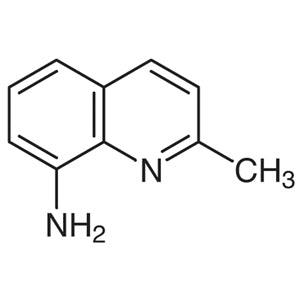
8-Amino-2-methylquinoline TCI A0416
Regular price From Rp 1.273.650,00Regular price -
4,6,8-Trimethylquinoline TCI T1409
Regular price Rp 5.644.800,00Regular price -
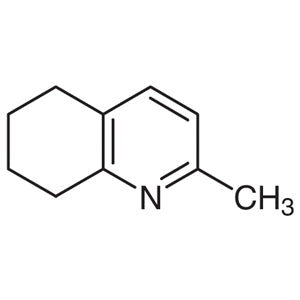
5,6,7,8-Tetrahydro-2-methylquinoline TCI T1408
Regular price Rp 2.016.000,00Regular price -
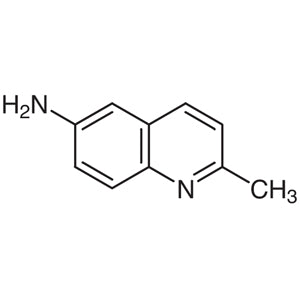
6-Amino-2-methylquinoline TCI A1047
Regular price Rp 3.976.350,00Regular price -
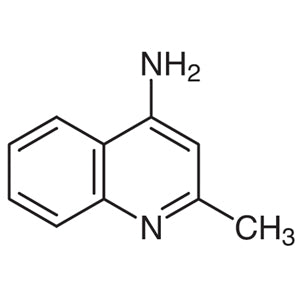
4-Amino-2-methylquinoline TCI A0415
Regular price Rp 3.207.750,00Regular price -
2-Methylquinoline TCI Q0005
Regular price From Rp 452.550,00Regular price -
1-Methylquinolin-2(1H)-one TCI M3591
Regular price From Rp 3.127.950,00Regular price -
2-MethylquinolineN-Oxide TCI M3000
Regular price From Rp 1.485.750,00Regular price