

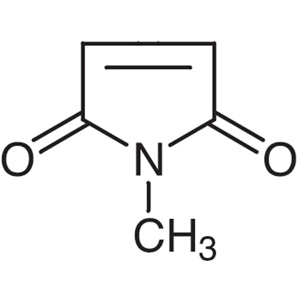
N-Methylmaleimide (NMM) is a chemical compound widely used as a foundational building block in organic synthesis. It plays a crucial role in laboratories by enabling the creation of complex organic molecules and heterocyclic structures. Its reactivity and versatility make it a key reagent in various synthetic pathways. NMM is particularly valuable in the development of pharmaceutical compounds and specialty chemicals, where precise molecular manipulation is essential. Due to its ability to participate in multiple reaction types, it is a go-to material for chemists seeking reliable and effective reagents.
The chemical properties of N-Methylmaleimide make it a preferred choice for laboratory use. It exhibits high stability under controlled conditions but remains sensitive to moisture and oxidation. This sensitivity necessitates careful handling and storage, yet its reactivity ensures it is highly effective in synthetic processes. Its high boiling point and solubility in organic solvents like ethyl acetate and acetone further enhance its usability. These characteristics allow it to be easily incorporated into both small-scale and large-scale chemical procedures, making it a versatile and efficient reagent.
In Indonesian laboratories, N-Methylmaleimide is extensively used in chemical research, particularly in the synthesis of organic compounds and drug development. Its availability in the local market supports ongoing scientific investigations and academic research. The compound is a fundamental component in projects requiring reactive and stable building blocks, facilitating advancements in various scientific fields. Its widespread use underscores its importance in both academic and industrial chemical applications.
TCI brochures (PDF)
- Monomers 2025-05-28 · p. 19
- Organic synthesis is a primary application where N-Methylmaleimide is used to construct complex molecules through various reaction mechanisms.
- Drug development benefits from N-Methylmaleimide due to its role in creating heterocyclic structures essential for pharmaceutical compounds.
- Polymer chemistry utilizes N-Methylmaleimide for its reactivity in forming cross-linked networks and functional polymers.
- Analytical chemistry employs N-Methylmaleimide as a reagent in derivatization processes to enhance detection and analysis of compounds.
- Materials science incorporates N-Methylmaleimide in the synthesis of specialty materials requiring precise chemical functionality.
| Brand | TCI |
|---|---|
| CAS number | 930-88-1 |
| Molecular formula | — |
| Purity | — |
| Category | Chemistry > Building Blocks > Non-Heterocyclic Building Blocks |
| Pack sizes | Available in various sizes as per standard laboratory supply |
| Physical form | Solid |
| Storage | Store in a cool, dry place away from moisture and oxidizing agents |
N-Methylmaleimide should be stored in a cool, dry environment to prevent moisture exposure and oxidation. It is recommended to keep it in airtight containers made of glass or high-density polyethylene to maintain its chemical integrity. Due to its reactivity, it should be handled in a well-ventilated area, preferably under a fume hood, to minimize exposure. Avoid contact with water or strong oxidizing agents during storage and use. Proper labeling and secure storage are essential to ensure safety and prevent accidental contamination. Regular monitoring of storage conditions helps maintain the compound's effectiveness and stability in laboratory settings.
—
Produk Terkait
-
N-Phenylmaleimide TCI P0900
Regular price From Rp 505.050,00Regular price -
N-Methoxycarbonylmaleimide TCI M2333
Regular price From Rp 1.988.700,00Regular price -
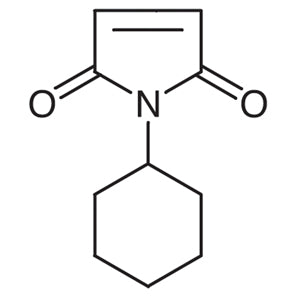
N-Cyclohexylmaleimide TCI C1044
Regular price From Rp 1.749.300,00Regular price -
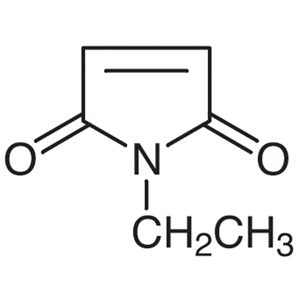
N-Ethylmaleimide TCI E0136
Regular price From Rp 530.250,00Regular price -
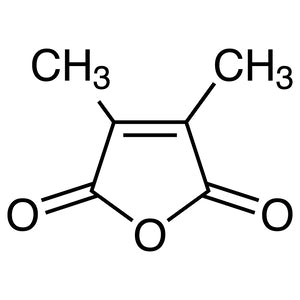
2,3-DimethylmaleicAnhydride TCI D3473
Regular price From Rp 980.700,00Regular price -
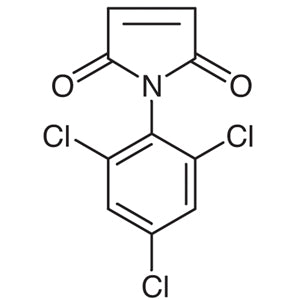
N-(2,4,6-Trichlorophenyl)maleimide TCI T1987
Regular price Rp 3.578.400,00Regular priceRp 2.517.900,00Sale price Rp 3.578.400,00 -
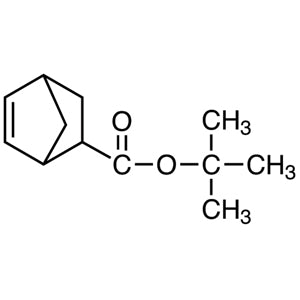
tert-Butyl5-Norbornene-2-carboxylate(endo-andexo-mixture) TCI B4267
Regular price From Rp 1.485.750,00Regular price -
2-Azabicyclo[2.2.1]hept-5-en-3-one TCI A1359
Regular price From Rp 477.750,00Regular price


![49805-30-3 2-Azabicyclo[2.2.1]hept-5-en-3-one - AMI Scientific](http://amiscientific.com/cdn/shop/files/TCI2510A1359.jpg?v=1769141383&width=533)